
Roof replacement costs vary widely depending on materials and other factors. That spread exists because no two roofs are the same. The primary determinants of roofing cost are material type, roof pitch, design complexity, regional labor rates, and the condition of your existing structure. Get any one of those wrong in your budget and you’ll be scrambling mid-project.
Here’s what actually drives the price, before you call a single contractor:
- Material type: Asphalt shingles sit at the low end; slate and metal push costs two to three times higher.
- Roof pitch and slope: A steep 12/12 pitch can add 30–50% to labor costs compared to a walkable 4/12 slope, driven by OSHA-mandated fall protection requirements.
- Roof complexity: Hips, valleys, dormers, and penetrations like chimneys and skylights add 15–30% in labor and material waste.
- Regional labor rates: Hourly roofing labor rates vary significantly across regions, with higher costs in major metro markets compared to rural areas.
- Structural condition: Hidden deck rot, multiple shingle layers, and code-triggered upgrades can add hundreds to thousands in unexpected costs.
- Permits and disposal: Permit fees typically run from a low to mid range, though some jurisdictions can charge substantially higher fees.
Understanding these factors before you budget is the difference between a realistic plan and a surprise invoice.
1. How roof pitch and accessibility drive up your labor bill
Pitch is one of the most underestimated price influences on roofing. A 4/12 slope, where the roof rises 4 inches for every 12 inches of horizontal run, is considered walkable. Anything steeper changes the job entirely.
OSHA classifies roofs over 4/12 as steep slope, requiring personal fall arrest systems, slide guards, or safety monitor systems depending on the exact pitch and eave height. That equipment costs money, takes time to set up, and often requires a larger crew. A 12/12 pitch, common on older Victorian-style homes, can push labor costs 30–50% above what the same crew would charge on a low-slope job.
Statistic callout: A 12/12 roof pitch increases labor costs by 30–50% compared to a 4/12 pitch, per OSHA fall protection standards for steep-slope roofing work.
Accessibility compounds the problem. A three-story home with a narrow side yard means the crew can’t park a trailer close, can’t use a standard conveyor to load shingles, and needs more time for every single trip up and down. Multi-story homes, tight urban lots, and landscaping that blocks equipment access all add to the final bill. Learn more about how roof slope affects labor before you request your first quote.
2. How roof shape and penetrations affect what you pay
A simple gable roof with no interruptions is the cheapest shape to replace. Add a hip, a valley, a dormer, or a skylight, and the price climbs fast.
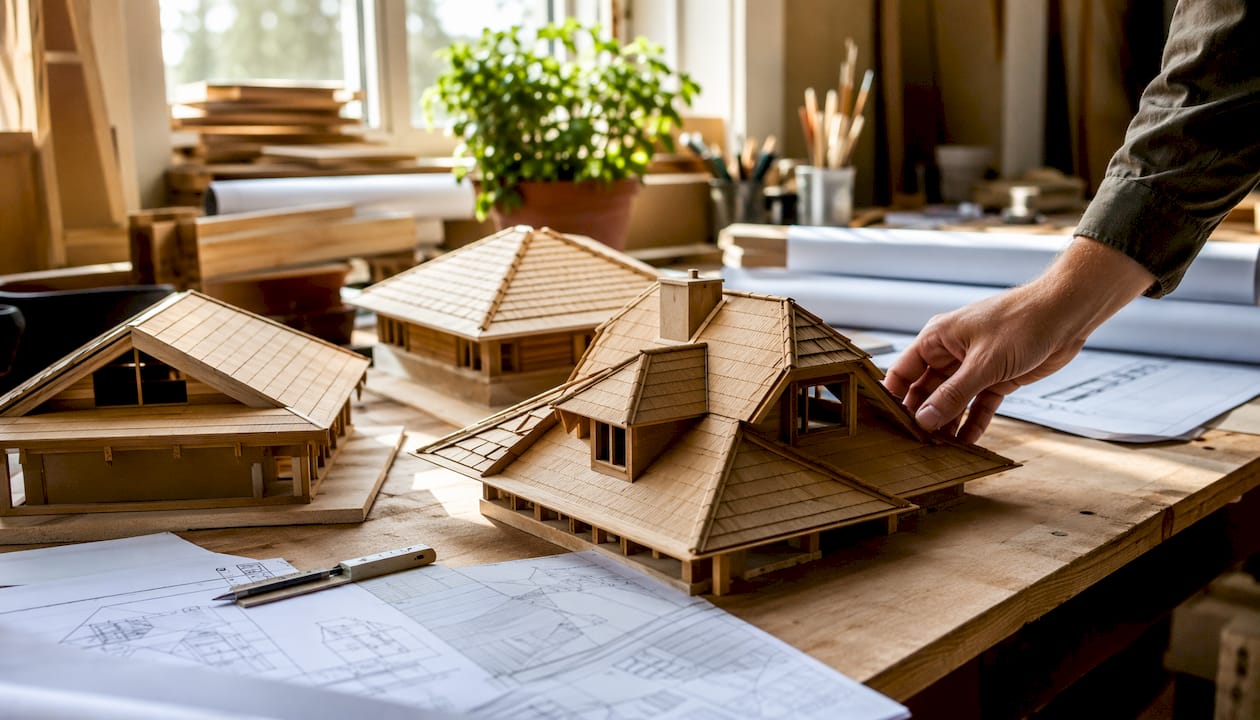
Every valley where two roof planes meet requires careful cutting, fitting, and flashing. Every penetration, whether a chimney, a plumbing vent, or a skylight, needs custom metalwork around it to stay watertight. That flashing work can add $500–$1,500 on a complex roof, and it’s high-skill labor that takes time. Contractors also waste more material on complex roofs because odd angles and cuts leave unusable shingle pieces.
Complexity factors that increase cost:
- Hip roofs with multiple intersecting planes
- Dormers requiring individual flashing and framing transitions
- Chimneys needing step flashing and counter flashing
- Skylights with curb or deck-mounted frames
- Plumbing and HVAC vents requiring rubber or metal boots
- Multiple roof levels at different heights
Roof complexity adds a notable premium to combined labor and material costs. On a $13,500 average job, that’s $2,000–$4,000 in added expense from design alone.
| Complexity level | Typical premium | Common features |
|---|---|---|
| Simple gable | Baseline | Two planes, no penetrations |
| Moderate | 10–15% | One or two valleys, one chimney |
| High | 15–30% | Multiple hips, dormers, skylights |
3. How roofing materials shape your total cost
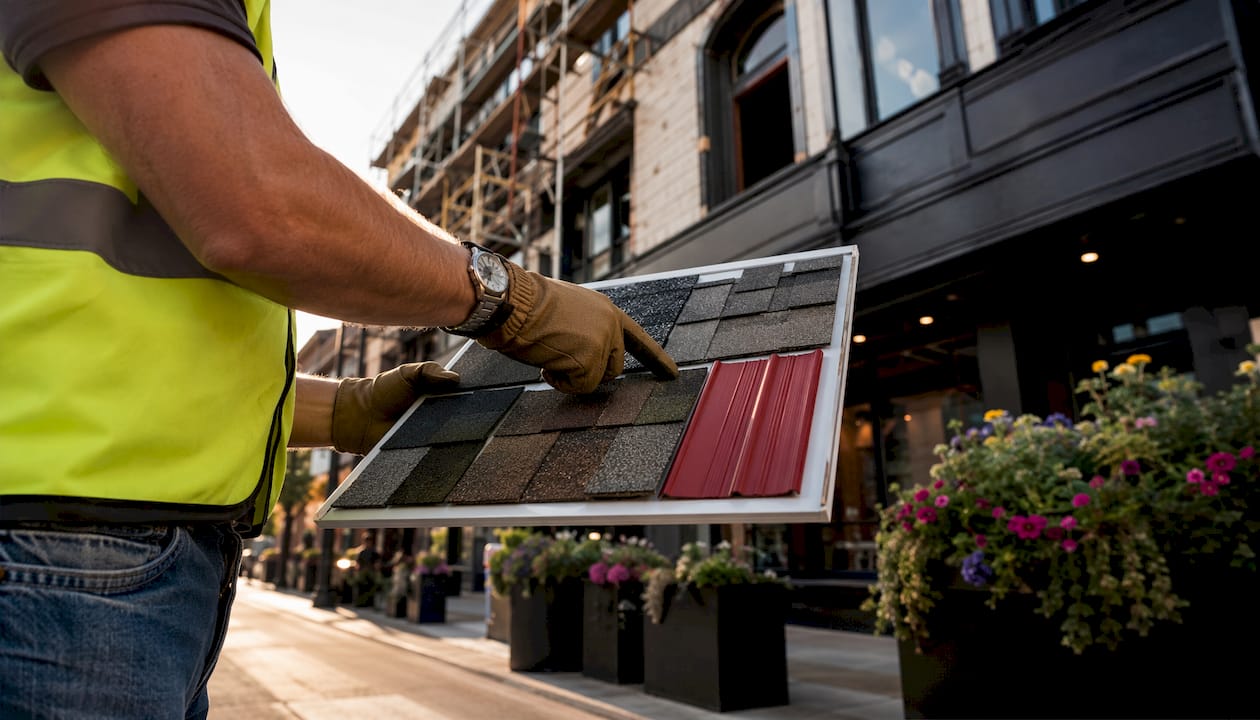
Material choice is the single biggest lever you control in a roofing cost breakdown. The gap between the cheapest and most expensive options is wide, and it affects not just material cost but also labor rates, since specialty materials require trained installers.
| Material | Typical installed cost per sq ft | Lifespan |
|---|---|---|
| 3-tab asphalt shingles | — | 15–20 years |
| Architectural asphalt shingles | — | 25–30 years |
| Metal (standing seam) | — | 40–70 years |
| Concrete tile | — | 40–50 years |
| Slate | — | about 50 years |
Beyond the shingles themselves, every replacement includes underlayment, drip edge, ice and water shield at eaves and valleys, and flashing at all penetrations. These components add to material cost regardless of which top layer you choose. Premium materials also shrink the pool of qualified installers, which tends to push labor rates up. Explore the top roofing materials for 2025 to compare durability and cost side by side.
A longer lifespan does reduce your per-year cost of ownership. A $25,000 metal roof lasting 50 years costs $500 per year. A $10,000 asphalt roof lasting 20 years costs the same. The upfront number looks very different from the long-term one.
4. How roof age, condition, and structure change the scope
What’s under your shingles matters as much as what goes on top. Older roofs often hide problems that don’t show up until a crew starts tearing off layers.
A full tear-off typically costs $125–$200 per roofing square, and about 15–20% of tear-off projects reveal decking rot that requires board replacement before new shingles can go down. Overlaying new shingles over old ones can save $1,500–$3,500 upfront, but it buries any existing damage and limits your ability to inspect the deck. Most building codes now restrict overlays to one additional layer, and some jurisdictions prohibit them entirely.
Condition-related cost drivers to watch for:
- Multiple existing shingle layers requiring full removal
- Rotted or soft decking boards needing replacement
- Damaged or undersized rafters and trusses
- Sagging ridge lines indicating structural movement
- Permit-triggered code upgrades (ice and water shield, updated nailing patterns)
Permit-triggered upgrades deserve special attention. When you pull a permit, inspectors check that the new roof meets current code, not the code from when the house was built. Adding mandatory ice and water shield membranes and updated nail patterns typically adds $400–$1,200 to the project regardless of which material you select. Ask your contractor explicitly for a tear-off-to-deck bid so you know what you’re actually getting.
5. Why your zip code changes the price as much as your roof does
Regional variation is one of the most overlooked factors affecting roofing prices. Labor markets, union density, local building codes, and climate-driven material requirements all create real geographic cost differences.
Markets like California, New York, and Florida report installed roofing costs 25–45% above the national median due to labor scarcity and stricter code requirements. Hourly labor in rural Midwest markets runs around $45, while metro Boston or New York crews charge over $95 per hour for the same work. That gap alone can add thousands to a project of identical size and complexity.
Regional and climate factors that affect your quote:
- Local labor market wages and union presence
- Wind zone requirements in hurricane-prone coastal areas
- Wildfire-resistant material mandates in California and parts of Texas
- Snow load requirements in northern states affecting deck and fastener specs
- Local permit office processing times and fee structures
- Contractor density, which affects competitive pricing
Texas sits in a middle range nationally, but coastal areas near Houston face wind uplift requirements that mandate specific fastener patterns and impact-rated shingles. Those upgrades add cost but also reduce insurance premiums in many cases. When evaluating quotes, use local contractor benchmarks rather than national averages. A quote that looks high against a national figure may be exactly right for your market.
6. How roof size and surface area scale your total cost
Roof size is the most straightforward of all the price influences on roofing. More surface area means more materials and more labor hours, with costs scaling almost linearly.
Roofing is measured in squares, where one square equals 100 square feet of roof surface. A 2,000-square-foot home doesn’t have a 2,000-square-foot roof. Pitch increases the actual surface area, and overhangs add more. A 2,000 sq ft home with a 6/12 pitch typically has about 24 roofing squares once slope and overhangs are factored in, meaning 2,400 square feet of actual roof surface to cover.
A steeper 10/12 pitch on the same footprint would push that number closer to 28–30 squares. Every additional square adds material cost plus the labor to install it. Waste factor from cuts and overlaps typically adds 10–15% to material quantities on top of the calculated square footage. When you’re getting quotes, ask each contractor to show you their square count and how they calculated it.
7. Labor, safety compliance, and permit costs in your budget
Labor accounts for about half of total roofing cost, making it the largest single line item in many projects. That percentage reflects not just installation time but also the cost of safety compliance, skilled crew availability, and project management.
OSHA’s roofing safety standards require fall protection for any work at 6 feet or more above a lower level. On steep roofs, that means personal fall arrest systems, anchor points, and often additional staging. Setting up and tearing down that equipment adds hours to every job. Skilled roofers who know how to work safely on complex roofs command higher rates, and in many markets there simply aren’t enough of them to meet demand.
Variable cost components in labor and compliance:
- Base installation labor (scales with roof size and complexity)
- Fall protection equipment setup and removal
- Permit fees ($150–$650 typically, over $1,200 in some jurisdictions)
- Inspection fees charged by the local building department
- Debris removal and dumpster rental
- Disposal fees for old shingles and materials
The NRCA (National Roofing Contractors Association) and InterNACHI both recommend verifying that your contractor carries workers’ compensation insurance, since an uninsured crew injury on your property can become your liability. That insurance cost is built into legitimate contractor rates. Read more about roofing safety requirements and what they mean for your project budget.
8. How to plan your roof replacement budget
Budgeting accurately for a roof replacement means gathering real numbers before you talk to contractors, not after.
Preparation checklist:
- Measure your home’s footprint and estimate your pitch to get a rough square count
- Note every penetration (chimneys, skylights, vents) and every valley on your roof
- Identify your roof’s age and whether it has one or two existing shingle layers
- Research your local permit office fees before requesting quotes
- Decide on your material preference and get at least three itemized bids
Ask each contractor to provide separate line items for tear-off, decking repair (if needed), materials, labor, permits, and disposal. A single lump-sum quote makes it impossible to compare bids or spot where one contractor is cutting corners. Also ask whether their price includes a full tear-off to the deck or an overlay, since those are fundamentally different scopes of work.
Pro Tip: Scheduling your replacement during mid-summer or winter can reduce quotes by 10–15% compared to the spring and fall peak seasons, when contractor backlogs are longest and prices reflect high demand.
For Texas homeowners specifically, Misterreroof’s roof replacement guide for Texas covers local code requirements, wind zone considerations, and what to expect from the permitting process in the Houston and El Campo markets.
9. Why attic ventilation adds to your replacement cost
Attic ventilation isn’t optional, and in most jurisdictions it’s code-mandated. When you replace a roof, inspectors check that your ventilation meets current standards, which means your project may include ventilation upgrades you didn’t plan for.
The standard requirement is a minimum of 1 square foot of net free ventilation area for every 150 square feet of attic floor space, though some codes allow a 1:300 ratio with balanced intake and exhaust. If your existing ridge vents, soffit vents, or gable vents don’t meet that ratio, your contractor must bring them up to code as part of the permitted work. Adding or upgrading ridge vents, installing new soffit baffles to maintain airflow paths, or replacing damaged gable vents all add labor and material cost. On a typical home, ventilation upgrades during a roof replacement can run several hundred dollars to over $1,000 depending on what’s missing.
Proper ventilation also protects your new roof. Heat and moisture buildup in an under-ventilated attic shortens shingle life and can void manufacturer warranties. Getting it right during replacement is far cheaper than addressing it separately later.
10. Should you replace gutters at the same time as your roof?
Replacing gutters during a roof replacement is often the most cost-effective time to do it, even if the gutters aren’t failing yet.
Roofers remove and reinstall fascia-mounted gutters as part of the roofing process anyway. If your gutters are more than 15–20 years old, have visible rust, or show separation at the seams, replacing them while the crew is already on site saves a separate mobilization charge. New gutters also protect your new roof investment by directing water away from the fascia and foundation properly. The cost of gutters varies by material and linear footage, with aluminum gutters running roughly $5–$12 per linear foot installed and seamless steel or copper options costing more. On a typical home, full gutter replacement adds $1,000–$2,500 to the project total. That’s a reasonable addition when you consider the alternative is scheduling a second crew visit within a year or two.
11. How roof lifespan and maintenance costs affect replacement timing
Knowing when to replace rather than repair comes down to understanding your material’s expected lifespan and what deferred maintenance actually costs you.
Three-tab asphalt shingles typically last 15–20 years; architectural shingles run 25–30 years with proper maintenance. Metal roofs can last 40–70 years, and slate can outlast the house itself. The closer your roof is to the end of its rated lifespan, the less sense it makes to spend money on repairs. A $1,500 repair on a 22-year-old 3-tab roof is often money lost, since full replacement is likely within two to three years regardless.
Annual maintenance, including clearing debris from valleys and gutters, resealing exposed fasteners, and inspecting flashing, extends roof life and delays replacement. Skipping maintenance accelerates deterioration, particularly around penetrations where flashing fails first. The NRCA recommends professional inspections every two years on roofs older than ten years. Catching a failing valley or lifted flashing early costs a few hundred dollars. Waiting until water reaches the decking can mean deck replacement, insulation replacement, and interior damage repair on top of the roofing bill.
12. How seasonal timing affects what contractors charge
Spring and fall are peak roofing seasons in most U.S. markets. Demand spikes, contractor backlogs stretch to weeks, and prices reflect that pressure.
Booking in mid-summer or winter, when contractor schedules open up, can reduce quotes by 10–15%. That’s a real saving on a $13,500 average project. Winter work is viable in most of the South and Southwest, including Texas, where freezing temperatures are rare and roofing crews work year-round. In northern markets, winter installation requires attention to adhesive strip activation and cold-weather nailing practices, but it’s done routinely by experienced crews.
The tradeoff is scheduling flexibility. Off-peak timing works if your roof isn’t actively leaking or damaged. If you have storm damage, you don’t have the luxury of waiting for the slow season. In that case, getting multiple quotes quickly and verifying each contractor’s license and insurance matters more than timing. For Houston homeowners, Misterreroof’s step-by-step replacement guide for 2026 walks through how to time your project around Texas weather patterns and contractor availability.
Ready to get an accurate estimate for your roof?
Mister Reroof serves homeowners and property managers across Houston and El Campo, TX, with professional roof replacement in asphalt shingles, metal, flat, and TPO systems. Every project starts with a free, itemized estimate that breaks down material, labor, permits, and disposal so you know exactly what you’re paying for and why.
Contact Misterreroof today to schedule your free estimate and get a clear picture of what your specific roof will cost in 2026.
Key Takeaways
The biggest determinants of roofing cost are material type, roof pitch, design complexity, regional labor rates, and the condition of your existing structure — knowing all five before you budget prevents costly surprises.
| Point | Details |
|---|---|
| Labor dominates the bill | Labor accounts for 50–55% of total roofing cost; pitch and complexity multiply that figure fast. |
| Pitch adds 30–50% to labor | A 12/12 pitch triggers OSHA fall protection requirements and increases labor costs by 30–50% compared to a 4/12 baseline. |
| Complexity adds 15–30% | Hips, valleys, dormers, and penetrations add 15–30% in combined labor and material waste costs. |
| Regional rates vary sharply | Labor rates vary geographically and can differ significantly between rural areas and major metro markets. |
| Scheduling during off-peak seasons can lead to notable cost savings compared to peak demand periods. | Scheduling in mid-summer or winter can reduce contractor quotes by 10–15% compared to spring and fall peak demand. |
