
TL;DR:
- The roof is a crucial factor in Texas home appraisals, affecting value, loan approval, and insurance. Maintaining or replacing the roof proactively can prevent costly delays and improve appraised value. Texas homeowners should regularly inspect, record repairs, and consider impact-resistant shingles to protect their investment.
The roof is one of the most significant elements a Texas home appraiser evaluates when determining your property’s value. The role of roof in home appraisal Texas goes far beyond aesthetics. Appraisers assess roof condition, material, age, and visible damage as core inputs to the home’s overall condition rating. A strong roof supports a higher appraisal, smoother loan approval, and better insurance terms. A failing roof can do the opposite, triggering lender conditions, reducing offers, and limiting your coverage options.
How do appraisers evaluate the roof during a Texas home appraisal?
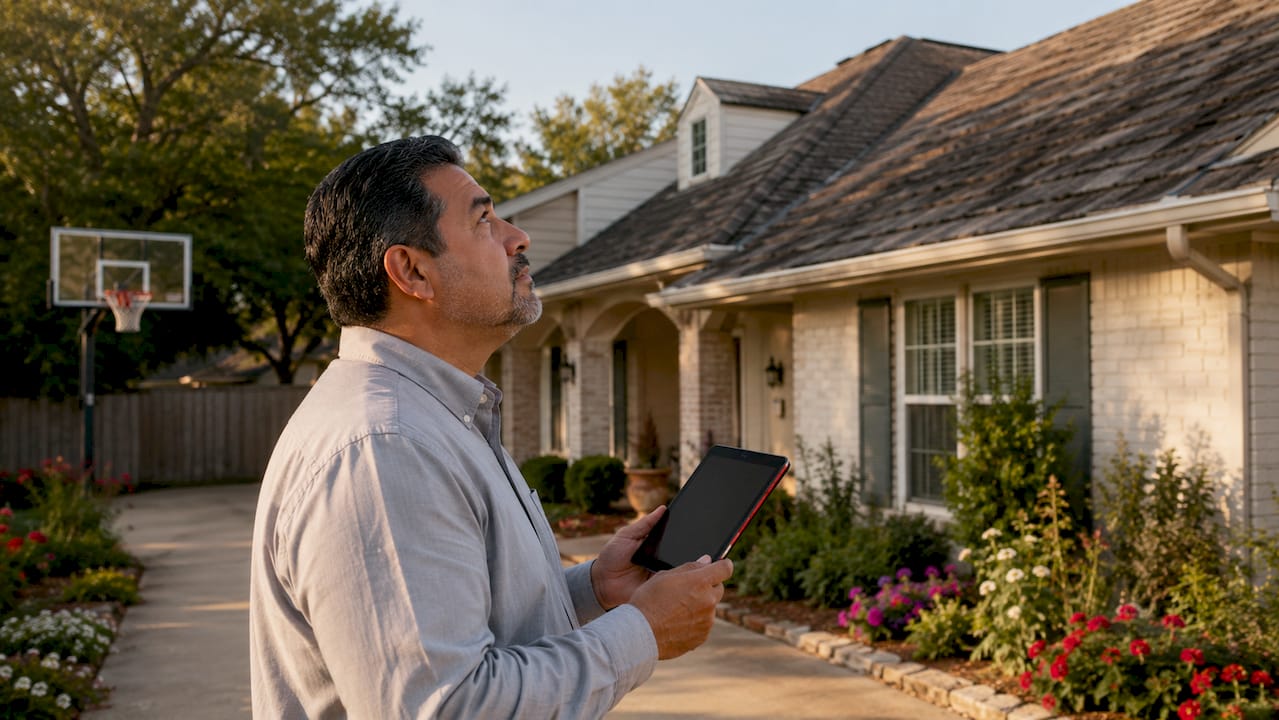
Appraisers treat the roof as a direct indicator of how well a home has been maintained. They do not just glance at it. They assess condition, estimated age, material type, and any visible signs of damage such as missing shingles, sagging, or water staining on interior ceilings.
The most critical threshold in any appraisal report is remaining useful life. When a roof has less than 2–3 years of expected life remaining, appraisers flag it. Lenders then typically require a professional roof certification or full replacement before they will approve the loan. That flag can stall or kill a sale entirely.
Appraisers also use roof condition as a proxy for the entire property’s upkeep. A deteriorated roof can lower the home’s overall condition rating, which reduces appraised value beyond just the cost of the roof itself. Think of it this way: if the roof is neglected, an appraiser assumes other systems may be neglected too.
Here is what appraisers specifically look for during a roof evaluation:
- Condition rating: Good, fair, or poor based on visible wear and damage
- Estimated age: Compared against typical lifespan for the material (asphalt shingles average 20–25 years)
- Remaining useful life: The key number that triggers lender requirements
- Material type: Affects durability expectations and value contribution
- Visible damage: Missing shingles, granule loss, flashing failures, or sagging
Pro Tip: Get a professional roof inspection before listing your home. A written inspection report gives the appraiser clear documentation and reduces the chance of a surprise condition flag.
How does roof condition affect home value and buyer perception in Texas?
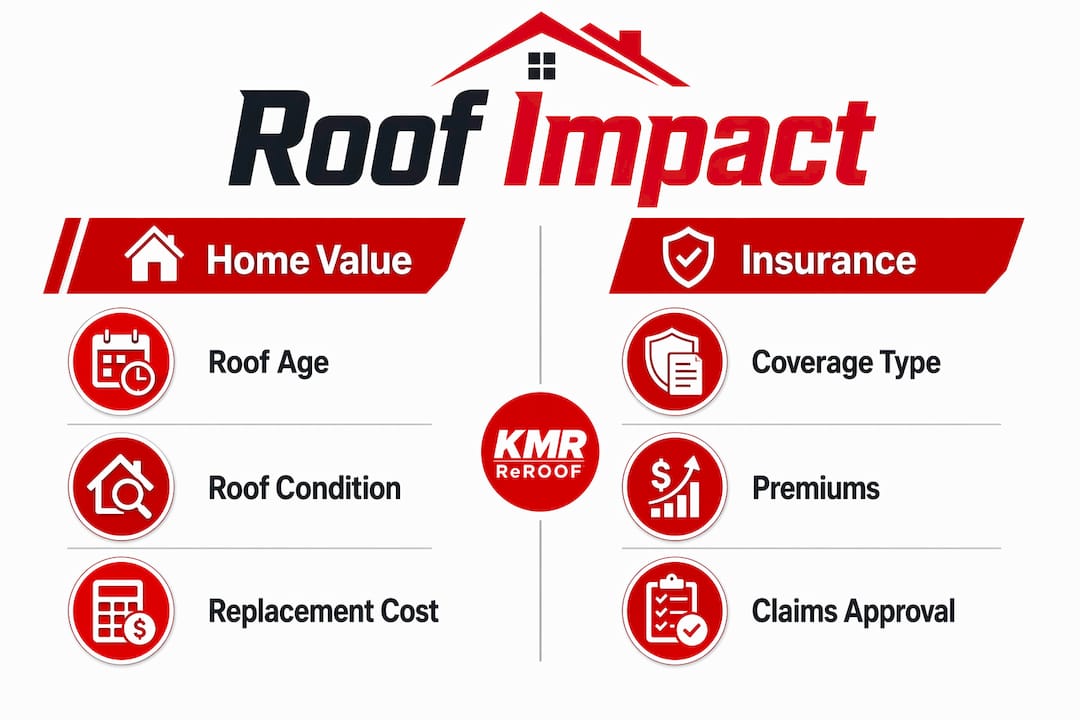
Roof quality directly shifts the appraised value of a Texas home. A full roof replacement can increase appraisal value by $8,000 to $15,000 depending on home size and comparable sales in the area. That number rarely matches the full replacement cost dollar for dollar, but the benefit comes from preventing negative value adjustments rather than adding pure equity.
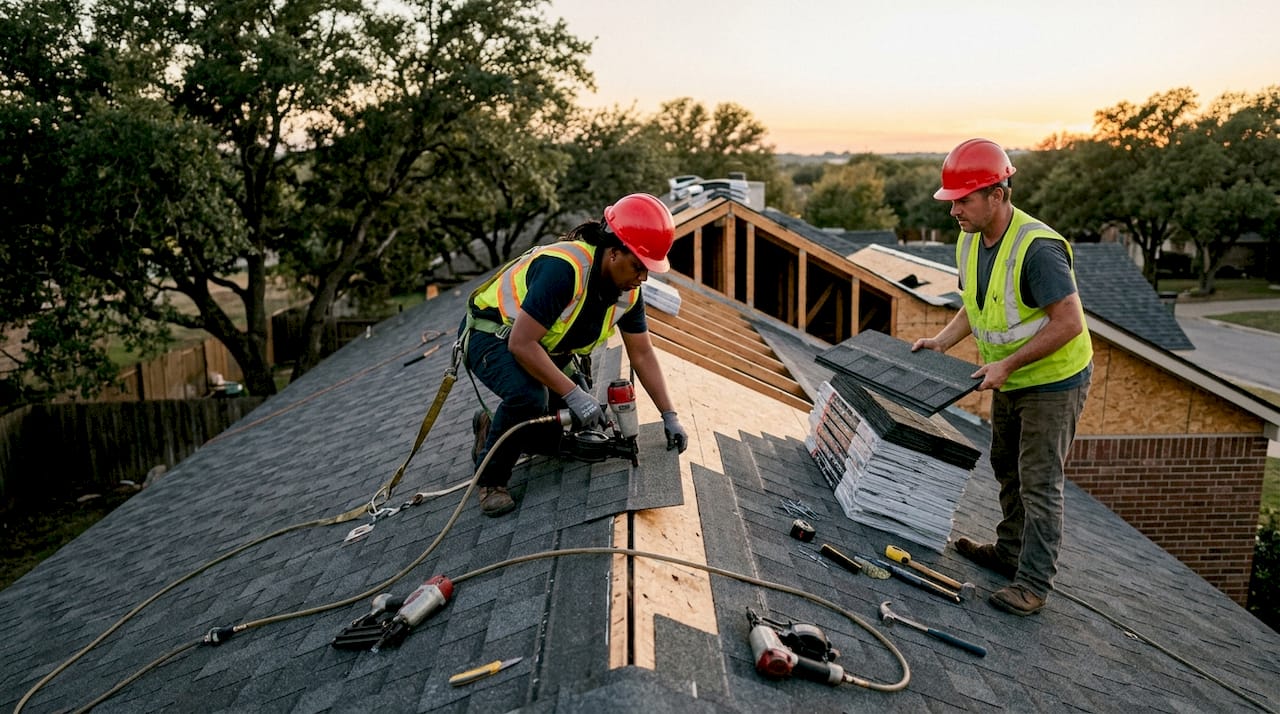
A new roof also changes how buyers behave. Homes with new roofs signal well-maintained properties, which reduces negotiation concessions and accelerates the sale. Buyers who see an aging or damaged roof immediately start calculating repair costs and requesting price reductions or seller credits. That negotiation pressure can cost more than a proactive replacement would have.
Texas buyers are especially sensitive to roof condition because of the state’s weather exposure. Hail, high winds, and intense heat cycles accelerate roof wear faster than in most other states. A roof that looks borderline acceptable in another market may read as a liability in Texas.
Key ways roof condition shapes buyer and appraiser decisions:
- A worn roof often triggers buyer requests for price reductions or repair credits
- A new roof removes a major objection from buyer negotiations
- Appraisers assign higher condition ratings to homes with recently replaced roofs
- Documented roof improvement records help appraisers assign a higher condition bracket, directly raising appraised value
- In Texas, hail damage history on a roof can affect both resale value and insurability
How does roof condition affect homeowners insurance in Texas?
The role of roof in homeowners insurance Texas is just as significant as its role in appraisals. Insurance carriers in Texas use roof age and condition to determine coverage type, premium rates, and whether they will write a new policy at all.
Texas insurance carriers limit coverage or switch to Actual Cash Value settlements for roofs older than 15–20 years. They may refuse to write new policies on homes with aging roofs entirely. Actual Cash Value means the insurer pays what the roof is worth today after depreciation, not what it costs to replace it. That gap can be tens of thousands of dollars out of your pocket after a major storm.
Upgrading to a Class 4 impact-resistant roof changes that equation. These shingles carry the highest impact resistance rating under UL 2218 testing standards and can yield 20%–30% premium discounts for Texas homeowners. Over several years, those savings offset a significant portion of the replacement cost. You can learn more about the financial case for impact-resistant shingles and how they perform in Texas conditions.
| Roof Condition | Insurance Impact |
|---|---|
| New roof (0–5 years) | Full replacement cost coverage, lowest premiums |
| Mid-age roof (6–14 years) | Standard coverage, moderate premiums |
| Aging roof (15–20 years) | Possible ACV switch, higher premiums |
| Old roof (20+ years) | Coverage refusal or non-renewal risk |
| Class 4 impact-resistant | 20%–30% premium discount eligible |
Pro Tip: Ask your insurance agent specifically whether your policy uses Replacement Cost Value or Actual Cash Value for roof claims. Many Texas homeowners assume full replacement coverage and discover the difference only after filing a claim.
Lenders also tie roof condition to loan approval. Mortgage underwriters require roofs to meet minimum lifespan standards before approving a loan. A roof that cannot demonstrate at least two years of remaining useful life puts the entire financing at risk. The cost of ignoring a failing roof compounds quickly when it blocks a sale or triggers emergency repairs under lender pressure.
What steps can Texas homeowners take to protect roof condition before an appraisal?
Proactive maintenance is the most cost-effective way to protect your appraisal outcome and insurance standing. Waiting until a roof fails means paying for emergency repairs, losing appraisal value, and potentially losing coverage.
Follow these steps to keep your roof in appraisal-ready condition:
- Schedule annual roof inspections. A licensed roofer can identify minor issues before they become appraisal flags. Document every inspection with a written report.
- Replace damaged shingles promptly. Missing or cracked shingles allow water intrusion that damages decking and interior ceilings, both of which appraisers notice.
- Clean gutters twice a year. Clogged gutters cause water to back up under shingles and rot the fascia. Regular maintenance like this aligns with insurer expectations and reduces the risk of claims denial.
- Obtain a roof certification when required. Lenders often mandate a professional roof certification before closing. Getting one proactively prevents last-minute financing delays.
- Keep all receipts and records. Submitting documentation of repairs and replacements to your appraiser helps raise your home’s condition rating.
When it is time to replace, material choice matters. Asphalt shingles remain the most common option, but Class 4 impact-resistant shingles deliver better long-term value in Texas through both insurance savings and appraisal durability. Metal roofing is another strong option for homeowners who want a 40–50 year lifespan with minimal maintenance. A solid shingle maintenance routine extends the life of any roof and keeps it out of the “deferred maintenance” category that appraisers flag.
Key Takeaways
The roof is a primary appraisal factor in Texas, and its condition directly determines your home’s value, loan eligibility, and insurance coverage options.
| Point | Details |
|---|---|
| Appraisers flag short roof life | Roofs with less than 2–3 years of remaining life trigger lender conditions or required replacement. |
| New roofs add measurable value | A roof replacement can increase appraised value by $8,000 to $15,000 in Texas markets. |
| Insurance coverage depends on roof age | Carriers limit or deny coverage for roofs older than 15–20 years in Texas. |
| Class 4 shingles cut premiums | Impact-resistant shingles can reduce homeowners insurance premiums by 20%–30%. |
| Documentation raises condition ratings | Providing repair and replacement records to appraisers can directly improve the home’s condition bracket. |
What I’ve learned from watching Texas homeowners get blindsided at appraisal
The most common mistake I see Texas homeowners make is treating the roof as a background concern until it becomes a crisis. They spend money on kitchen updates and landscaping, then get a shock when the appraiser flags the 18-year-old roof and the lender puts the loan on hold.
The roof is not a background concern. It is the first thing an appraiser mentally notes when they pull up to a property. A visibly worn roof sets a negative tone for the entire inspection before the appraiser walks through the front door. That first impression influences how they interpret everything else they see.
The financial math on proactive replacement is also better than most homeowners realize. A roof replaced before listing avoids buyer-requested credits, prevents appraisal condition downgrades, and often qualifies the home for better insurance terms immediately. Waiting until a lender forces the issue means paying under time pressure, with fewer contractor options and no ability to shop for the best material.
Texas’s hail and wind exposure makes this even more urgent than in other states. A roof that looks acceptable in march can take a hailstorm in april and become an appraisal liability by the time you list in june. Getting ahead of that cycle is the single smartest financial move a Texas homeowner can make before selling.
— Results
Protect your Texas home’s value with the right roof
Your roof directly controls what your home appraises for, whether your loan closes, and what your insurance costs every year. Getting it right before an appraisal or a sale is not optional in Texas.
Mister Reroof specializes in roof replacement across El Campo and Houston, TX, with expertise in shingle, metal, flat, and TPO systems built to handle Texas weather. Whether you need to understand your options or are ready to act, the Texas roof replacement guide covers everything from material selection to what lenders require. For Houston-area homeowners, the Houston replacement tips page offers market-specific guidance. Contact Misterreroof today for a free estimate and a roof that works for your appraisal, your insurer, and your budget.
FAQ
How much does a new roof increase home value in Texas?
A roof replacement in Texas can increase appraised value by $8,000 to $15,000 depending on home size and local comparable sales. The return rarely equals full replacement cost, but it prevents negative appraisal adjustments that cost more in lost value.
What happens if my roof fails the appraisal inspection?
If an appraiser determines your roof has less than 2–3 years of remaining useful life, the lender will typically require a roof certification or full replacement before approving the loan. This can delay or block closing entirely.
Does roof age affect homeowners insurance in Texas?
Texas carriers limit coverage or switch to Actual Cash Value settlements for roofs older than 15–20 years, and some refuse to write new policies on aging roofs. Replacing an old roof restores full replacement cost coverage eligibility.
What is a Class 4 impact-resistant shingle?
A Class 4 shingle meets the highest impact resistance rating under UL 2218 testing standards. Texas homeowners who install them can qualify for premium discounts of 20%–30% on their homeowners insurance policy.
Do I need a roof certification to sell my home in Texas?
Not always, but lenders frequently require one when the roof shows signs of age or damage. Getting a professional certification proactively prevents last-minute financing delays and gives buyers confidence in the home’s condition.
