Avoid common roofing mistakes: expert tips for Texas
Avoid common roofing mistakes: expert tips for Texas
TL;DR:
- Choosing the right roofing materials suited for Texas climate is essential for durability and cost savings.
- Proper installation, ventilation, and regular inspections significantly extend roof lifespan and prevent costly repairs.
- Hiring qualified, licensed local contractors with verified insurance and references ensures a successful roof project.
Replacing or repairing a roof in El Campo or Houston is one of the biggest investments you’ll make as a homeowner. Texas weather is relentless, and one wrong decision, whether it’s picking the wrong material or hiring an unvetted contractor, can turn a straightforward project into a money pit. Leaks, sagging decks, and premature failure are rarely bad luck. They’re almost always the result of avoidable mistakes made early in the process. This guide walks you through the four most common roofing errors Texas homeowners make and exactly how to sidestep each one before it costs you thousands.
Table of Contents
- Failing to choose the right roofing materials
- Ignoring proper ventilation and installation techniques
- Hiring unqualified contractors or skipping due diligence
- Neglecting regular inspections and timely repairs
- Why most roofing guides miss the local picture
- Get expert help for your next roof project
- Frequently asked questions
Key Takeaways
| Point | Details |
|---|---|
| Prioritize proper materials | Choosing weather-resistant materials ensures your roof lasts longer and saves money. |
| Ventilation is essential | Good ventilation prevents mold and improves energy efficiency in Texas homes. |
| Hire vetted contractors | Always review credentials to avoid costly errors and legal problems. |
| Schedule regular inspections | Annual roof checks identify issues early to prevent expensive repairs. |
| Think local, act smart | Texas climates demand specific roofing solutions and local expertise. |
Failing to choose the right roofing materials
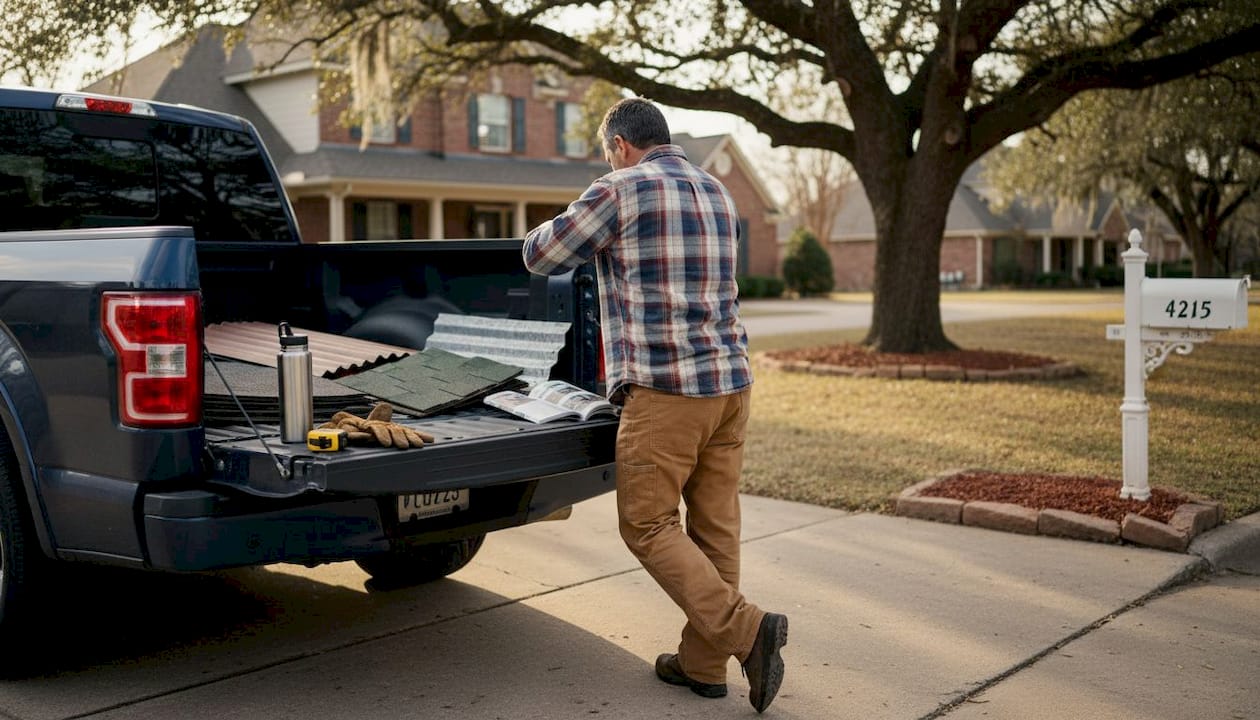
Material selection is where most roofing projects go wrong before a single nail is driven. In Texas, the climate is the deciding factor. You’re dealing with intense summer heat, sudden hailstorms, high humidity in coastal areas like El Campo, and freeze-thaw cycles in the winter. A material that performs well in Ohio can fail fast here.
Choosing inappropriate materials increases repair frequency and shortens the life of your roof significantly. That’s not a minor inconvenience. It’s a pattern of ongoing costs that adds up fast. The goal when selecting roofing materials is to match the product to your specific local conditions, not just your budget.
Here’s a quick breakdown of the most common options and how they hold up in Texas:
- Metal roofing: Extremely durable, reflects heat well, and handles hail better than most alternatives. Higher upfront cost, but long lifespan.
- Asphalt shingles: The most affordable option and widely available, but they degrade faster in intense heat and UV exposure.
- TPO (thermoplastic polyolefin): Excellent for flat roofs, highly reflective, and energy efficient. A strong choice for commercial and some residential applications.
- Tile (clay or concrete): Heavy and durable, great for heat resistance, but requires a reinforced roof structure to support the weight.
- Wood shake: Attractive but high maintenance, and it struggles with humidity and fire risk in Texas conditions.
When comparing metal vs shingle roofs, the lifespan difference is striking. Metal roofs routinely last 40 to 70 years, while standard asphalt shingles typically max out at 20 to 25 years under Texas sun. That means metal can last more than twice as long, which changes the math on total cost of ownership considerably.
Pro Tip: Always ask your supplier or contractor for the manufacturer’s warranty documentation before committing to any material. A 30-year warranty means nothing if the product isn’t rated for your climate zone. Verify the warranty covers wind uplift and hail impact specifically.
Skimping on material quality to save a few hundred dollars upfront is one of the most expensive decisions you can make. The repair bills and early replacement costs will far outpace whatever you saved at the start.
Ignoring proper ventilation and installation techniques
You can buy the best materials on the market and still end up with a failing roof if it’s installed incorrectly. Proper installation and ventilation are the foundation of a roof that actually performs over time.
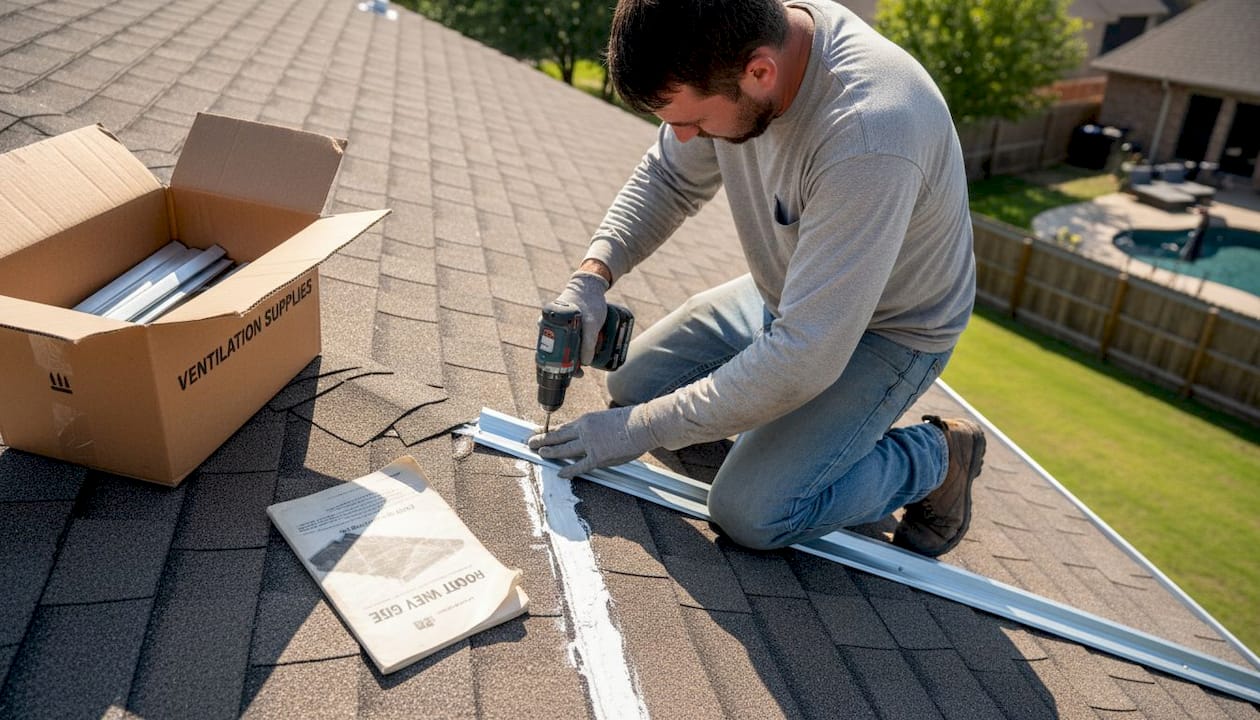
Ventilation refers to the system of intake and exhaust airflow that regulates temperature and moisture in your attic. Without it, heat builds up, moisture gets trapped, and your roofing materials deteriorate from the inside out. Proper ventilation prolongs roof life and prevents mold growth, which is a serious concern in humid areas like the Gulf Coast.
Here are the critical installation steps that separate a quality job from a rushed one:
- Inspect and repair the roof deck before any new material goes on. Soft spots, rot, or water damage must be addressed first.
- Install underlayment correctly. This moisture barrier is your last line of defense before water reaches the deck.
- Ensure proper flashing around chimneys, vents, and skylights. Most leaks originate at these transition points.
- Lay shingles with correct overlap and nail placement. Uneven shingles or misplaced nails create entry points for wind and water.
- Verify attic ventilation meets local building code requirements before the job is considered complete.
“A well-ventilated roof outlasts poor installs by years, and in Texas heat, that difference shows up fast.”
Pro Tip: Ask your contractor to provide photo documentation of the underlayment and ventilation installation before the outer layer goes on. Reputable crews won’t hesitate. If they push back on this request, that’s a red flag worth paying attention to.
Here’s a look at how installation quality affects long-term repair frequency:
| Installation quality | Average years before major repair | Estimated repair cost range |
|---|---|---|
| Proper install with ventilation | 15 to 20 years | $500 to $1,500 |
| Poor install, no ventilation | 5 to 8 years | $2,000 to $6,000 |
| Skipped underlayment | 3 to 5 years | $3,500 to $8,000 |
For homeowners who’ve already noticed issues, reviewing fixing roof shingles early can prevent small problems from becoming full replacements.
Hiring unqualified contractors or skipping due diligence
Even the best materials and a solid installation plan won’t save you if the person doing the work isn’t qualified. Contractor selection is where Texas homeowners get burned most often, especially after storms when out-of-state crews flood the area offering quick, cheap fixes.
Smart contractor selection prevents hidden mistakes that don’t show up until months later, when the contractor is long gone and you’re left holding the repair bill.
Here’s a side-by-side look at what separates a qualified contractor from an unqualified one:
| Factor | Qualified contractor | Unqualified contractor |
|---|---|---|
| Texas state license | Yes, verifiable | Often missing or expired |
| General liability insurance | Carries full coverage | Uninsured or underinsured |
| Written estimate | Detailed, itemized | Vague or verbal only |
| References | Multiple local references | None or unverifiable |
| Warranty on labor | Offered in writing | Rarely provided |
Before signing anything, check these credentials for any Texas roofing contractor:
- State license: Verify through the Texas Department of Licensing and Regulation.
- General liability insurance: Request the certificate of insurance directly from their provider.
- Workers’ compensation coverage: Protects you if a worker is injured on your property.
- Local references: Ask for at least three recent jobs in your area and actually call them.
- Physical business address: Out-of-town storm chasers often have no local presence.
Pro Tip: Never accept a verbal estimate. A written scope of work protects both parties and gives you a clear record if disputes arise. Review questions for contractors before your first meeting so you know exactly what to ask.
When getting roofing estimates, compare at least three bids. A price that’s dramatically lower than the others almost always means corners are being cut somewhere. Use the hiring contractors guide to build your vetting checklist before you start making calls.
Neglecting regular inspections and timely repairs
Securing a great contractor and quality materials is not the finish line. Your roof needs ongoing attention, especially in Texas where weather events can cause damage that isn’t immediately visible from the ground.
Regular inspections catch small problems before they become structural ones. A missing shingle after a storm might seem minor. Left alone for a season, that same gap can allow water to penetrate the deck, rot the underlayment, and eventually damage your attic insulation and interior ceilings. Frequent inspections minimize large repair bills by catching these issues early.
Watch for these signs that it’s time to call a professional:
- Granules in your gutters: Asphalt shingles shed granules as they age and after hail impacts.
- Curling or buckling shingles: Often caused by heat, moisture imbalance, or poor ventilation.
- Visible daylight in the attic: Any light coming through means air and water can too.
- Water stains on interior ceilings: These indicate active or past leaks that need immediate attention.
- Sagging roof sections: A structural warning sign that requires urgent professional evaluation.
- Flashing separation: Gaps around chimneys, vents, or skylights are common entry points for water.
Annual inspections can reduce roof problems by up to 40%, which translates directly into lower lifetime ownership costs for your home. That’s a significant return for what is typically a low-cost or free inspection from a reputable contractor.
Pro Tip: Set a recurring reminder on your phone or calendar for two inspections per year: one in the spring after winter weather, and one in the fall before storm season peaks. Also schedule an additional check after any major hail or wind event. Review the repair steps for shingles so you understand what a contractor should be looking for during each visit.
Ignoring small leaks is one of the most common and costly mistakes homeowners make. Water damage compounds quickly, and the longer you wait, the more expensive the fix becomes.
Why most roofing guides miss the local picture
Most national roofing guides are written for a generic American homeowner, and that’s exactly the problem. What works in Denver or Portland doesn’t translate directly to Houston or El Campo. Texas has its own climate patterns, building codes, and insurance requirements that change the equation entirely.
We’ve seen firsthand how homeowners follow general advice, choose materials rated for mild climates, and then wonder why their roof is failing after five years. The Gulf Coast humidity alone accelerates deterioration in ways that most guides never address. Hail frequency in the Houston metro is among the highest in the country, and that demands materials and installation standards built for impact resistance, not just aesthetics.
Texas regulations also affect your choices more than you might expect. Local building codes in Harris County and Wharton County have specific requirements around wind uplift ratings and fire resistance. A contractor unfamiliar with these rules can leave you with a roof that fails inspection or voids your homeowner’s insurance.
“National advice won’t solve Houston’s hail or El Campo’s humidity. You need someone who knows this ground.”
Working with Texas contractor tips specific to your region isn’t optional. It’s the difference between a roof that lasts and one that becomes a recurring expense.
Get expert help for your next roof project
Avoiding the mistakes covered in this guide is much easier when you have a local team that already knows the terrain. Mister ReRoof works specifically with homeowners in El Campo and Houston, TX, and understands the material requirements, installation standards, and contractor vetting that Texas conditions demand.
Whether you’re dealing with a flat roof that needs attention or looking at a full TPO roof replacement El Campo project, our team brings the local expertise that generic contractors simply don’t have. We also specialize in flat roof replacement El Campo and a full range of roofing solutions built for Texas weather. Contact Mister ReRoof today for a free estimate and get a team that gets it right the first time.
Frequently asked questions
What are the top signs of roofing mistakes?
Signs of common roofing mistakes include leaks, uneven or curling shingles, visible sagging, and premature granule loss. If you notice any of these within a few years of installation, poor workmanship or materials are likely the cause.
How often should I schedule roof inspections in Houston?
Annual roof inspections are the minimum recommendation, with additional checks after severe weather events like hailstorms or high winds. Houston’s storm frequency makes twice-yearly inspections a smart practice.
What materials work best for Texas roofs?
Metal, TPO, and high-quality asphalt shingles are the most durable options for Texas conditions. Optimal materials for Texas prioritize heat resistance, impact rating, and wind uplift performance.
Why is ventilation vital for roof longevity?
Proper ventilation extends roof life by preventing heat buildup and moisture accumulation that degrade materials from the inside. Without it, even a well-installed roof can fail years ahead of schedule.
How can I verify a roofing contractor’s credentials?
Ask for proof of Texas state licensing, general liability insurance, workers’ compensation, and at least three local references. Smart contractor selection also means getting everything in writing before any work begins.
Recommended
- Quality roofing saves 40% more: lifespan and big savings
- Common commercial roof problems in Texas: identify and fix
- Why roofs fail in Texas: causes and prevention in 2026
- Why upgrade your roofing system in Texas: durability and savings
- 6 Essential Tips for a Property Damage Avoidance List - Rental Income Insurance
