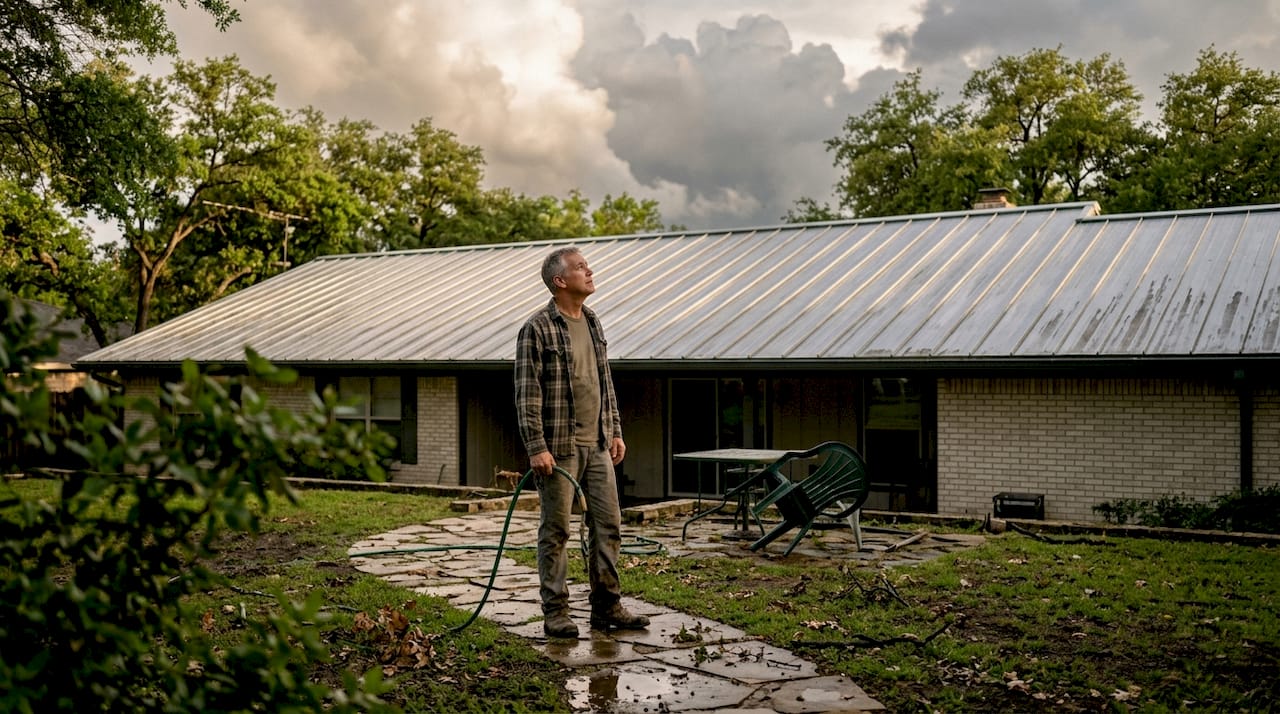
7 biggest benefits of metal roofing for Texas homes
7 biggest benefits of metal roofing for Texas homes
TL;DR:
- Metal roofing offers superior durability against Texas storms, with a lifespan up to 50 years.
- It reflects up to 70% of solar heat, reducing cooling costs by 20 to 30%.
- Metal roofs provide peace of mind through enhanced storm resistance and environmental sustainability.
Replacing your roof is one of the largest investments you’ll make as a Texas homeowner, and the choice you make today will shape your energy bills, home value, and peace of mind for decades. Asphalt shingles are familiar, but Texas weather is anything but gentle. Brutal summer heat, hail storms, and high winds push roofing materials to their limits every single year. Metal roofing has emerged as a standout option for homeowners across the Lone Star State, offering a combination of durability, energy savings, and long-term value that few other materials can match. This article walks you through the top benefits so you can make a confident decision.
Table of Contents
- Exceptional durability in Texas weather
- Lower energy bills thanks to heat reflection
- Long-term savings and return on investment
- Sustainability and environmental benefits
- The unexpected benefit most Texas homeowners overlook
- Ready to upgrade? Trust the Texas metal roofing experts
- Frequently asked questions
Key Takeaways
| Point | Details |
|---|---|
| Extreme weather durability | Metal roofs stand up to Texas storms, hail, and heat with a lifespan of 50 years or more. |
| Lower cooling costs | High reflectivity means metal roofing can noticeably cut your home’s summer energy bills. |
| High return on investment | While upfront costs are higher, metal roofs offer savings on repairs and insurance over decades. |
| Eco-friendly choice | Metal roofing is made from recycled content and is fully recyclable, reducing environmental impact. |
Exceptional durability in Texas weather
Now that you’re considering a roof replacement, the first factor to weigh is how your new roof will withstand Texas’ tough climate. Metal roofing earns high marks here, and not just on paper.
Texas throws everything at a roof: hailstorms that dent cars, wind gusts that peel shingles clean off, summer temperatures that crack and warp materials, and occasional wildfires in drier regions. Metal handles all of these threats better than most alternatives. It won’t absorb moisture and swell, it won’t crack under UV exposure, and it carries a Class A fire rating, which is the highest available.
The storm resistance of metal roofs is particularly relevant for Texas homeowners who deal with severe weather every spring and fall. Standing seam metal panels, where the seams lock together above the panel surface, are especially effective because water has no exposed fasteners to seep through.
Here is what makes metal roofing stand out for durability:
- Hail resistance: Most metal roofs carry a Class 4 impact rating, the highest available for roofing materials.
- Wind resistance: Rated to withstand winds of 140 mph or more in many systems.
- Fire resistance: Class A fire rating protects against flying embers and radiant heat.
- No rot or mold: Metal does not absorb water, so rot and mold are non-issues.
- Low maintenance: No granule loss, no cracking, no curling edges like you see with aging shingles.
“Understanding roof durability in Texas weather is essential before choosing any roofing material, especially in a state where storms can arrive with little warning.”
Metal roofs last up to 50 years or more with minimal maintenance, far exceeding the average asphalt shingle roof, which typically needs replacement every 15 to 25 years. That means one metal roof could outlast two or even three shingle roofs over the same period.
Many insurance companies recognize this durability and offer reduced premiums for homes with metal roofs. That discount alone can add up to meaningful savings over the life of the roof.
Pro Tip: Choose a standing seam metal roof over exposed-fastener panels for better water runoff performance and improved hail resistance. The concealed fastener design also reduces the risk of leaks as the roof ages.
Lower energy bills thanks to heat reflection
Beyond weather resistance, your energy bills are another area where metal roofs offer tangible savings. Texas summers are relentless, and your roof is essentially a giant solar collector sitting right above your living space.
Asphalt shingles absorb solar heat and transfer it into your attic, forcing your air conditioner to work overtime. Metal roofing works the opposite way. It reflects solar energy away from the home, keeping attic temperatures significantly lower. Metal roofs can reflect up to 70% of heat, reducing cooling costs by 20 to 30% compared to traditional shingles.
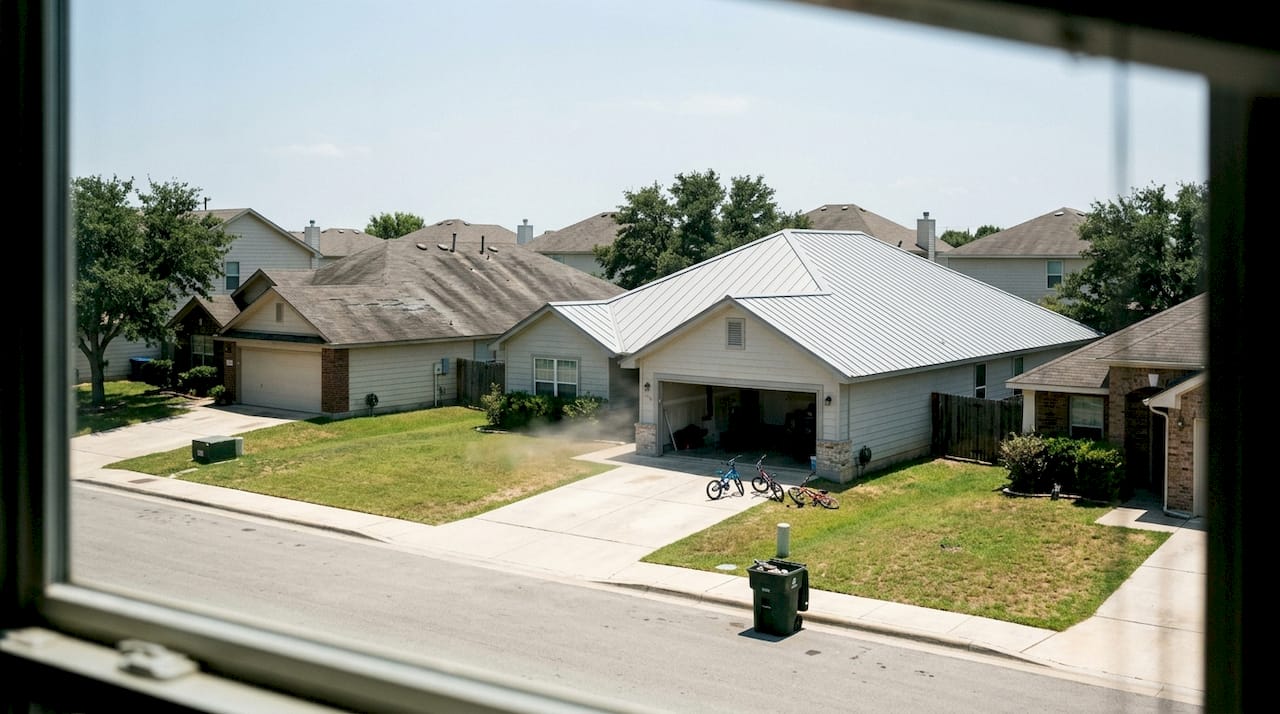
That kind of reduction is not trivial in Texas, where summer electricity bills can easily run several hundred dollars per month for an average-sized home.
| Roofing material | Avg. summer cooling cost (monthly) | Heat reflection rate |
|---|---|---|
| Metal | $90 to $130 | Up to 70% |
| Asphalt shingle | $140 to $190 | 5 to 15% |
| Clay tile | $110 to $150 | 20 to 30% |
These figures vary based on home size, insulation quality, and local energy rates, but the pattern is consistent: metal performs best for heat management.
Beyond monthly savings, energy-efficient roofing can improve your home’s ENERGY STAR rating, which matters when it comes time to sell. Buyers in Texas increasingly look for energy-efficient features, and a metal roof signals lower operating costs from day one.
Additional energy benefits include:
- Reduced HVAC wear: Less cooling demand means your air conditioner lasts longer.
- Consistent indoor comfort: Attic temperatures stay lower, reducing heat bleed into living areas.
- Potential tax credits: Energy-efficient metal roofs may qualify for federal tax incentives.
Pro Tip: Light-colored or unpainted metal roofs reflect the most solar energy. If you live in a particularly hot part of Texas, a white or light gray finish can maximize your cooling savings compared to darker color options.
Long-term savings and return on investment
While upfront cost matters, thinking long-term reveals even more advantages to metal roofing. The sticker price of metal roofing is higher than asphalt shingles, often two to three times more per square foot installed. But that comparison ignores the full picture.
Consider what you actually spend over 30 years with each material:
| Roofing material | Estimated 30-year total cost | Replacements needed |
|---|---|---|
| Metal | $18,000 to $30,000 | 0 |
| Asphalt shingle | $22,000 to $38,000 | 1 to 2 |
| Clay tile | $28,000 to $45,000 | 0 to 1 |
The shingle roof costs include one or two full replacements, plus routine repairs for storm damage, granule loss, and flashing issues. Metal avoids most of that.
Many Texas homeowners see a return on investment of up to 85% with metal roofing due to longevity and energy savings. That figure accounts for the higher upfront cost and still comes out strongly in metal’s favor.
Here is how the savings stack up across the lifetime of a metal roof:
- Fewer replacements: One metal roof versus two or three shingle roofs over 50 years.
- Lower repair bills: Metal requires far less patching, re-sealing, and storm repair.
- Energy savings: 20 to 30% reduction in cooling costs every single summer.
- Insurance discounts: Some Texas insurers reduce premiums for Class 4 impact-rated roofs.
- Higher resale value: Homes with metal roofs often sell faster and at better prices.
If you want to invest in metal roofing and need to weigh your options carefully, it also helps to compare metal and shingle roofing costs side by side with a local expert who knows Texas pricing.
Pro Tip: Ask your Texas insurance provider specifically about discounts for Class 4 impact-rated metal roofs. Some insurers offer reductions of 20 to 30% on your homeowner’s premium, which can shave thousands off your long-term cost.
Sustainability and environmental benefits
Texas homeowners are also thinking green, and here is how metal roofing can lessen your environmental impact. Every time an asphalt shingle roof reaches the end of its life, the old shingles typically end up in a landfill. Billions of pounds of shingle waste are discarded in the United States every year.
Metal roofing is twice as recyclable as asphalt shingles and can even be installed over existing roofs in some cases, reducing the volume of tear-off waste sent to landfills.
“Most metal roofing contains over 25% recycled content at the time of manufacture, and at the end of its long life, it is 100% recyclable. That is a material that works with the environment rather than against it.”
The eco-friendly benefits of metal roofs extend well beyond the material itself. Here is the full picture:
- Recycled content: Most metal roofing panels are made with significant recycled steel or aluminum.
- Fully recyclable: When the roof eventually reaches end of life, every panel can be recycled rather than landfilled.
- Solar panel compatible: Metal roofs provide an ideal surface for solar panel installation, and they typically outlast the solar system itself.
- Rainwater collection: Smooth metal surfaces are excellent for rainwater harvesting systems, which are popular in rural Texas.
- Reduced replacements: Fewer roof replacements over time means less manufacturing demand and less waste overall.
For homeowners who want to reduce their carbon footprint without sacrificing performance, metal roofing is one of the most practical choices available. It is a long-term investment that also happens to be the right environmental choice.
The unexpected benefit most Texas homeowners overlook
Every conversation about metal roofing eventually circles back to numbers: cost per square foot, years of lifespan, percentage of heat reflected. Those numbers matter. But there is one benefit that rarely makes it into the comparison charts, and it is arguably the most valuable of all.
Peace of mind.
When a severe storm rolls through your neighborhood at 2 a.m., the homeowner with a metal roof sleeps differently than the one with aging shingles. There is no anxious ceiling check the next morning, no dreaded call to an insurance adjuster, no waiting weeks for a repair crew. Storm-ready roofing solutions like metal give your family a layer of security that no spreadsheet fully captures.
We have seen this firsthand. Homeowners who upgrade to metal often tell us the biggest surprise is not the lower energy bill. It is the anxiety they no longer carry every time the weather app shows a red warning. That emotional relief is real, and it has genuine value. Metal roofing is not just a financial decision. It is a quality-of-life decision.
Ready to upgrade? Trust the Texas metal roofing experts
If everything you have read here resonates, the next step is connecting with a roofing team that knows Texas conditions inside and out. Metal roofing delivers its full benefits only when it is installed correctly, with the right materials and proper flashing details.
At Mister ReRoof, we specialize in metal roof replacement across Texas, including Victoria metal roof replacement and services from our Hallettsville metal roofing pros. Our team brings proven experience to every installation, and we back our work with a commitment to quality that Texas homeowners can count on. Visit Mister ReRoof today to schedule your free estimate and find out exactly what a metal roof could do for your home.
Frequently asked questions
How much longer will a metal roof last compared to shingles?
A metal roof can last 40 to 70 years, while asphalt shingles typically last 15 to 25 years. Metal roofs last up to 50 years or more with minimal upkeep, making them a far longer-lasting investment.
Do metal roofs really lower energy bills in Texas?
Yes, metal roofs can cut summer cooling costs by 20 to 30% thanks to their solar reflectivity. The ability to reflect up to 70% of heat makes a measurable difference on Texas electricity bills.
Are metal roofs noisy during rain or storms?
No. Modern metal roofs are installed over solid sheathing and insulation layers that muffle sound effectively, making them no noisier than asphalt shingles during rain or hail.
Can I install solar panels on a metal roof?
Yes, metal roofs are an ideal base for solar panels. They are compatible with solar panels and rainwater collection systems, and they typically outlast the solar equipment installed on them.
How eco-friendly is metal roofing compared to other options?
Metal roofing is significantly more eco-friendly than asphalt shingles. It is twice as recyclable as asphalt shingles, contains recycled content, and is 100% recyclable at the end of its long service life.
