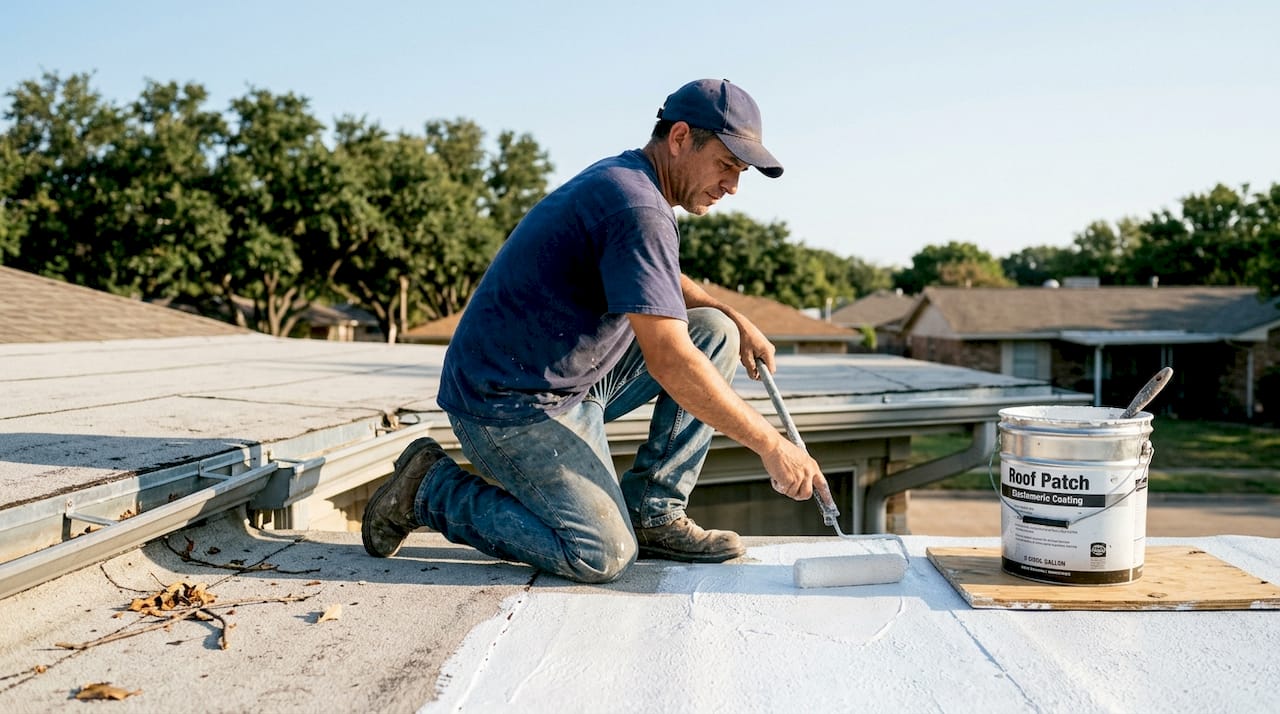
Roof coating guide: types, benefits & Texas tips
Roof coating guide: types, benefits & Texas tips
TL;DR:
- Properly applied roof coating can extend roof life by 10-20+ years in Texas.
- Silicone is the preferred coating for Texas due to its UV and heat resistance.
- Regular maintenance and professional installation are key to maximizing coating lifespan.
A properly installed roof coating can extend the life of your existing roof by 10-15 years, which is a big deal when Texas storms are constantly testing your home’s defenses. Yet most homeowners have never seriously considered this option, either because they assume it’s only for commercial buildings or because they simply don’t know it exists. Roof coatings are one of the most underused tools in residential roofing, and understanding them could save you thousands of dollars. In this guide, we’ll cover what roof coating is, the main types available, the real benefits for Texas homes, and exactly what the application process looks like.
Table of Contents
- What is roof coating and why does it matter?
- Types of roof coatings: Pros, cons, and best uses
- Key benefits for Texas homeowners
- How roof coatings are applied and maintained
- A Texas roofing expert’s take: Rethinking roof coatings
- Protect your Texas home with roof and coating solutions
- Frequently asked questions
Key Takeaways
| Point | Details |
|---|---|
| Extends roof life | A quality roof coating can add 10-15 years or more to your existing roof’s lifespan when properly applied. |
| Climate protection | Coatings shield your Texas home from sun, wind, rain, and hail, reducing weather-related damage. |
| Material matters | Silicone roof coatings generally outperform other types for Texas conditions, especially with extreme UV. |
| Maintenance required | Regular inspection and occasional re-coating ensure maximum protection and cost savings over time. |
What is roof coating and why does it matter?
A roof coating is a liquid-applied protective layer that bonds directly to your existing roof surface. Once it cures, it forms a seamless, flexible membrane that shields your roof from sun, rain, wind, and temperature swings. Think of it like a thick, weatherproof skin stretched over your entire roof.
This is not paint. Regular paint sits on the surface and cracks under UV exposure. A quality roof coating is engineered to flex with your roof as it expands and contracts through Texas heat cycles, and it stays bonded for years without peeling or flaking.
Here’s where Texas homeowners need to pay attention. The state’s climate is brutal on roofs. You’re dealing with intense summer UV radiation, sudden hailstorms, high humidity along the Gulf Coast, and wind gusts that can exceed 60 mph during severe weather events. A roof coating addresses all of these threats in one application.
Common use cases for roof coatings include:
- Extending roof life on a structurally sound but aging roof
- Sealing minor leaks and hairline cracks before they become major repairs
- Reducing heat absorption to lower your summer cooling bills
- Protecting against moisture intrusion in high-humidity areas like Houston
- Adding a reflective surface to bounce UV rays away from your home
One of the biggest misconceptions is that coatings are only for flat commercial roofs. While they are extremely popular on flat and low-slope roofs, silicone and acrylic coatings are also used on residential metal roofs and even some steep-slope applications. Understanding your roofing system lifespan helps you decide when a coating makes sense versus when a full replacement is the smarter call.
Another myth: coatings can fix a structurally compromised roof. They cannot. A coating works best as a proactive measure on a roof that is still in decent shape. If your decking is rotting or your shingles are severely damaged, a coating is not the answer.
Key stat: A properly applied roof coating can deliver a 10-20+ year lifespan, making it one of the highest-value upgrades available to Texas homeowners.
Types of roof coatings: Pros, cons, and best uses
Understanding what roof coating is leads naturally to a critical question: what options do you have, and which is right for your Texas home? There are three main types you’ll encounter: silicone, acrylic, and polyurethane. Each has distinct strengths and trade-offs.
Silicone coatings are the gold standard for Texas conditions. They handle ponding water exceptionally well, resist UV degradation, and stay flexible in extreme heat. The downside is that they attract dirt over time and can get slippery when wet.
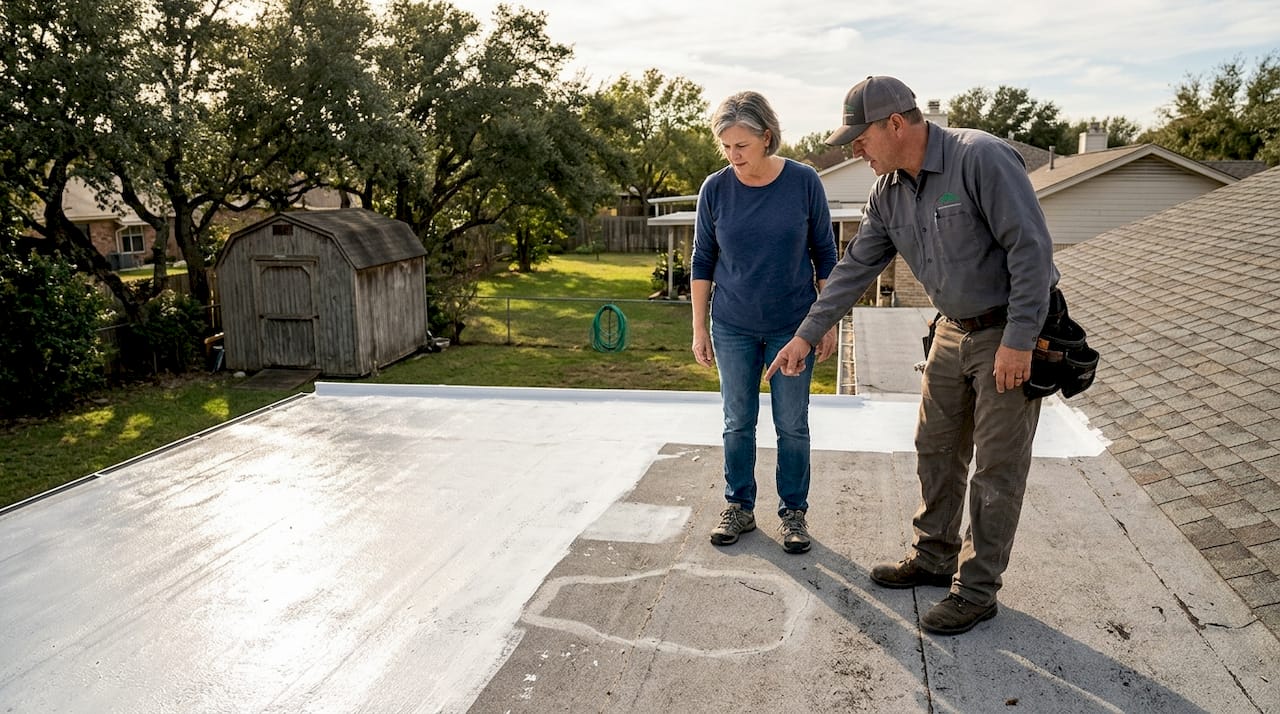
Acrylic coatings are water-based, easy to apply, and budget-friendly. They reflect heat well and are a solid choice for drier climates, but they can degrade faster in areas with heavy rainfall or standing water, which rules them out for many Houston-area flat roofs.
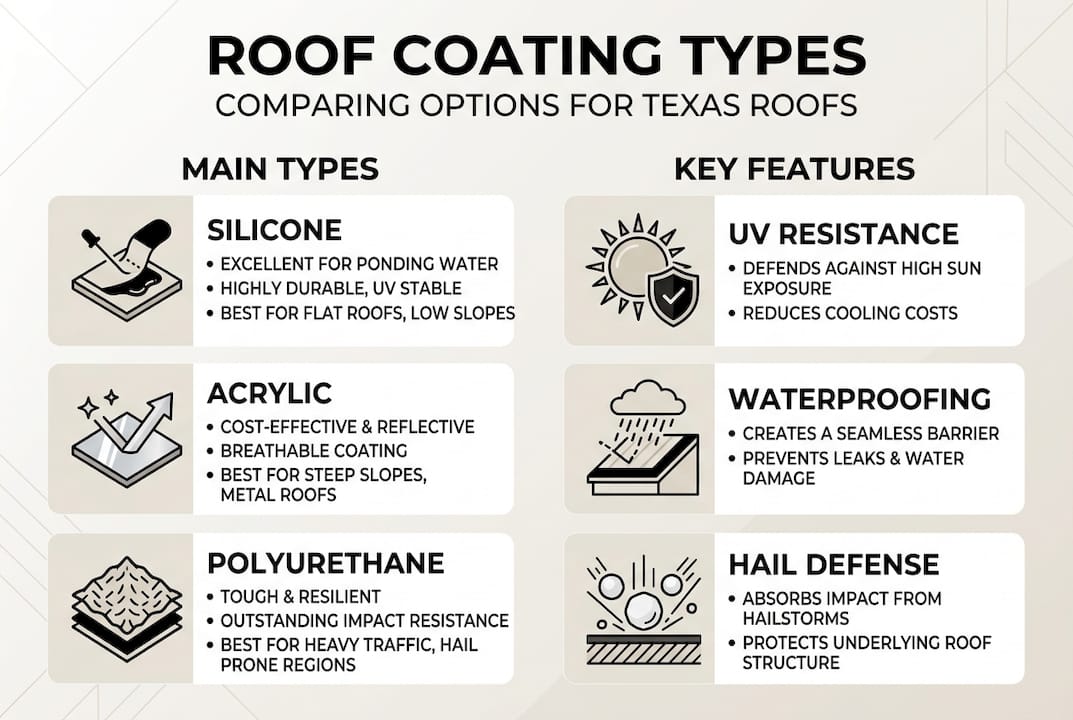
Polyurethane coatings come in two forms: aromatic (less UV stable, used as a base coat) and aliphatic (UV stable, used as a top coat). They offer excellent impact resistance, which makes them worth considering in hail-prone areas of Texas.
| Coating type | Avg. cost per sq. ft. | UV resistance | Water resistance | Hail resistance | Typical lifespan |
|---|---|---|---|---|---|
| Silicone | $1.50-$3.00 | Excellent | Excellent | Good | 15-20 years |
| Acrylic | $0.75-$1.50 | Good | Moderate | Moderate | 10-15 years |
| Polyurethane | $2.00-$4.00 | Good (aliphatic) | Very good | Excellent | 10-20 years |
For Texas specifically, silicone is the top recommendation for most flat and low-slope roofs. Research shows silicone outperforms acrylic and polyurethane in long-term UV and humidity testing over a 40-year period. That’s a significant advantage in a state where summer UV indexes regularly hit dangerous levels.
If you want to understand how coatings fit within the broader picture, reviewing roofing membrane types and flat roofing options can help you see where coatings end and full membrane systems begin.
Pro Tip: If your roof has any active leaks, pooling water, or soft spots, address those issues before applying any coating. A coating applied over a compromised surface will fail prematurely, no matter how good the product is.
Key benefits for Texas homeowners
Now, let’s dig into the practical reasons why so many Texas homeowners are considering roof coatings. The benefits go well beyond just adding years to your roof.
Weather protection. Texas throws everything at your roof: scorching UV rays, sudden hail, Gulf Coast humidity, and powerful wind. A quality coating creates a continuous, flexible barrier that handles all of these threats. Unlike individual shingles or panels that can be lifted or cracked, a seamless coating has no seams for water or wind to exploit.
Cost savings over time. This is where the math gets compelling. A full roof replacement on a typical Texas home can run $10,000 to $25,000 or more. A professional coating application costs a fraction of that. When a coating extends your roof 10-15 years and reduces the frequency of major repairs, the savings add up fast.
Energy efficiency. Reflective coatings, especially white silicone and acrylic products, can reflect up to 85% of solar radiation. In a Texas summer, that directly reduces the heat load on your attic and living spaces, which means your air conditioner works less. Homeowners in Houston and El Campo have reported noticeable drops in summer cooling bills after applying a reflective coating.
Here are four homeowner-centric benefits worth highlighting:
- Fewer emergency repairs because the coating seals minor vulnerabilities before they become leaks
- Lower cooling costs thanks to solar-reflective surfaces
- Extended time between replacements, which protects your budget long-term
- Added resale value because buyers and inspectors see a well-maintained, protected roof
Pro Tip: Some insurance carriers view a professionally applied roof coating favorably because it demonstrates proactive maintenance. Ask your insurer whether a coating could affect your premium or claims process before scheduling the work.
For a broader view of protecting your home year-round, roof maintenance for Texas homes is a smart read. And if you’re weighing coatings against a full material upgrade, comparing roofing materials for value gives you the full picture.
How roof coatings are applied and maintained
Knowing the benefits, here’s what you can expect from the application process and ongoing care for roof coatings. The process matters as much as the product. A coating applied incorrectly will fail years before its expected lifespan, so understanding the steps helps you hold your contractor accountable.
Typical professional application steps:
- Roof inspection and assessment. The contractor evaluates the roof’s condition, identifies any structural issues, and determines whether a coating is appropriate.
- Cleaning. The surface is pressure-washed to remove dirt, algae, and debris. Any contaminants left under the coating will cause adhesion failure.
- Repairs. Cracks, seams, and flashings are repaired or reinforced with fabric tape and sealant before the coating goes on.
- Primer application (if required). Some coating systems need a primer coat to ensure proper bonding, especially on metal roofs.
- First coat application. The coating is rolled or sprayed on at the manufacturer’s specified thickness, usually measured in wet mils.
- Second coat application. A second pass ensures full coverage and meets the minimum dry film thickness for warranty compliance.
- Final inspection. The contractor checks for missed spots, thin areas, and proper coverage before signing off.
Proper application is genuinely the deciding factor. As the 10-20+ year lifespan data shows, the coating’s longevity is almost entirely determined by how well it was installed, not just the brand you chose.
Maintenance schedule:
| Task | Frequency |
|---|---|
| Visual inspection | Every 6 months |
| Professional inspection | Every 3-5 years |
| Debris and algae cleaning | Annually |
| Seam and flashing check | After major storms |
| Recoating | Every 10-15 years |
Common post-application mistakes include walking on the coating before it fully cures, allowing debris to pile up on the surface, and skipping annual inspections. For specific guidance on flat roofs, flat roof maintenance covers the details. General roof maintenance tips and the full Texas roof maintenance checklist are also worth bookmarking.
“The coating is only as good as the surface it’s applied to and the hands that apply it. Shortcuts in prep work always show up as failures within the first two years.”
A Texas roofing expert’s take: Rethinking roof coatings
Here’s an honest perspective that most homeowners never hear: roof coatings are not a last resort. They’re not the thing you do when you’ve given up on your roof. That mindset is exactly backwards.
The homeowners who get the most value from coatings are the ones who apply them proactively, before the roof shows serious wear. Waiting until you have active leaks and visible damage means the coating has to work harder on a compromised surface, and the results are always worse.
We also see a lot of confusion around brand loyalty. Homeowners sometimes pay a premium for a “name brand” coating when a mid-tier product applied correctly by a skilled crew will outperform an expensive product slapped on without proper prep. The material matters less than the method.
Texas weather also creates a false sense of urgency after major storms. Hail events trigger a wave of contractors offering quick coating jobs as a patch solution. Some of those jobs are legitimate. Many are not. A coating applied over hail-damaged decking or cracked substrate is a short-term fix that delays an inevitable replacement while costing you money now. Protecting your roofing system durability means being honest about what the roof actually needs, not just what’s cheapest today.
Think of a roof coating the way you think about sunscreen. You don’t wait until you have a sunburn to apply it. You use it consistently, before the damage happens, and it works.
Protect your Texas home with roof and coating solutions
If you’re ready to get the most from your roof before the next Texas storm, now is the time to get a professional assessment. At Mister ReRoof, we help Texas homeowners figure out whether a coating, a repair, or a full replacement is the right move for their specific situation.

We serve homeowners across the region with expert metal roof replacement in Victoria and shingle roof upgrades in Hallettsville, along with flat roof and TPO solutions throughout the area. Every job starts with an honest conversation about what your roof actually needs. Contact us today for a free estimate and let’s make sure your home is protected before the weather decides for you.
Frequently asked questions
How long does a roof coating actually last in Texas?
A quality coating can last 10-20 years in Texas, but the actual lifespan depends heavily on proper application and how consistently you keep up with maintenance.
Can I apply a roof coating myself, or should I hire a pro?
DIY is possible for small touch-up repairs, but most Texas homeowners get far better, longer-lasting results with professional installation because proper application is the single biggest factor in how long the coating performs.
Which roof coating is best for high heat and sun exposure?
Silicone roof coatings are the top choice for Texas heat and sun, since silicone outperforms acrylic and polyurethane in extreme UV and humidity conditions over the long term.
Will roof coatings help with storm and hail damage in Texas?
Yes, a properly applied coating adds a flexible, water-tight layer that resists hail impact and heavy rain, which helps minimize leaks and reduces long-term structural damage after storms.
How often does a roof need re-coating?
Most roofs benefit from a professional inspection every 3-5 years, and a full recoating is typically needed every 10-15 years if the roof has been well maintained in between.
