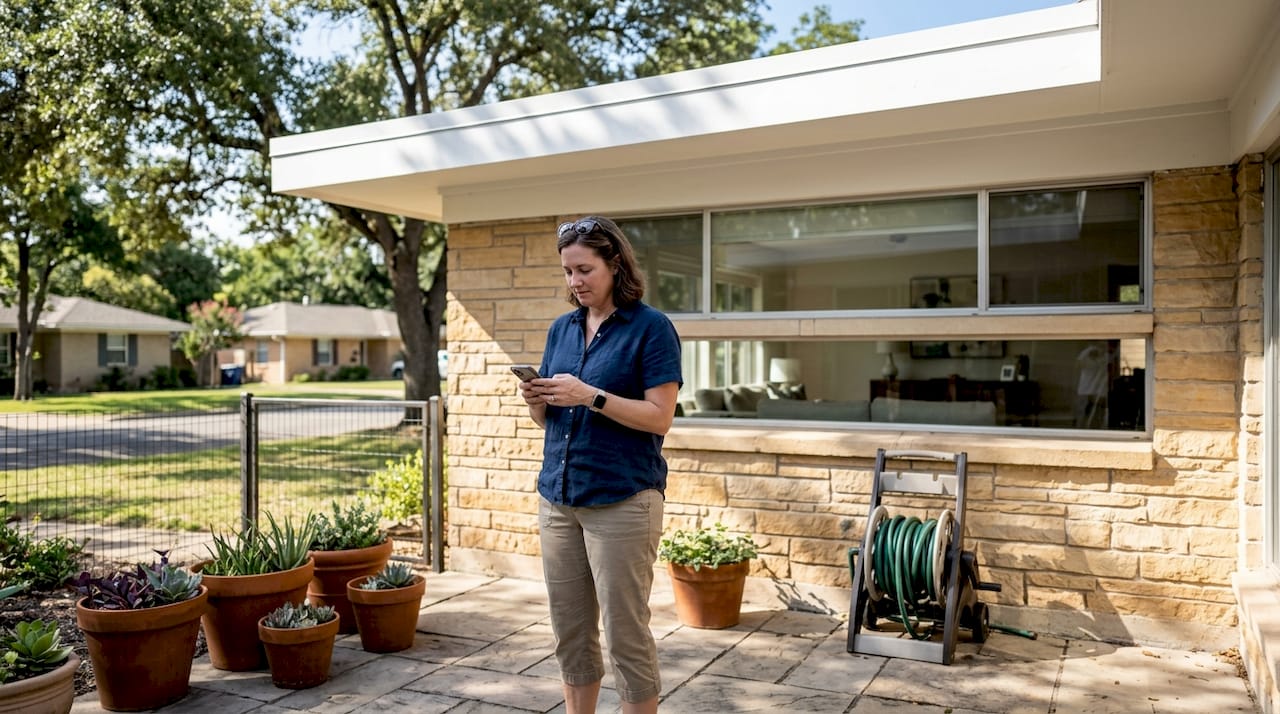
Top benefits of flat roofs for Texas homeowners 2026
Top benefits of flat roofs for Texas homeowners 2026
TL;DR:
- Flat roofs are cost-effective, flexible, and well-suited for Texas climate and architecture.
- Modern flat roofing materials provide high durability, energy efficiency, and storm resistance.
- Proper maintenance and installation ensure flat roofs last 20 to 30 years in Texas.
Choosing the right roof in Texas is never simple. You’re balancing brutal summer heat, violent thunderstorms, hail, and a budget that doesn’t stretch forever. Flat roofs have quietly become one of the smartest options for modern Texas homeowners, yet too many people still dismiss them based on outdated information. The truth is that today’s flat roofing systems are engineered to handle everything Texas throws at them, from scorching 100-degree summers to fast-moving Gulf Coast storms, often at a lower installed cost than traditional pitched roofs.
Table of Contents
- Why flat roofs are a smart choice for Texas homes
- Energy efficiency and comfort: How flat roofs help beat Texas heat
- Weather resistance and durability: Handling Texas storms
- Maintenance, repairs, and long-term value
- Our take: Flat roofs are the future for modern Texas homes
- Ready for a flat roof upgrade in Texas?
- Frequently asked questions
Key Takeaways
| Point | Details |
|---|---|
| Cost-effective solution | Flat roofs are often more affordable to install and maintain than pitched roofs. |
| Energy and comfort gains | Their design makes homes cooler and more comfortable during Texas summers. |
| Proven storm durability | Well-built flat roofs can weather Texas storms with less risk of damage. |
| Easy maintenance | Flat roofs are safer and simpler to inspect and repair compared to traditional roofs. |
Why flat roofs are a smart choice for Texas homes
Flat roofs aren’t a new invention, but their role in residential construction is growing fast. In warm-weather states across the South and Southwest, flat roofs are showing up on more modern homes precisely because they match the way people actually live and build in these regions. Texas architecture already leans toward wide, low-profile structures, and a flat roof fits that aesthetic naturally.
One key reason flat roofs work so well here is how they handle wind. Pitched roofs create a large surface area that catches wind and generates uplift during storms. A properly low-profile flat roof presents far less wind resistance, which matters when storms roll in fast from the Gulf. Flat vs pitched roofs also support modern home styles and allow for flexible use of roof space, which opens up real design possibilities.
Here’s what makes flat roofs stand out for Texas homeowners:
- Cost-effective installation: Fewer materials and simpler labor translate directly into lower upfront costs.
- Design flexibility: Flat roofs support rooftop decks, HVAC equipment placement, and green roof systems with no structural complications.
- Easier access: Maintenance crews and inspectors can work safely without steep-pitch risks.
- Faster installation: Lower complexity means less time your home is exposed during re-roofing.
Pro Tip: If you’re already thinking about solar panels, a flat roof is one of the best platforms for installation. You can angle the panels precisely for maximum sun exposure, something that’s harder to control on a traditional pitched roof.
Explore smart flat roof designs if you want to see how Houston homeowners are putting that extra roof space to work creatively.
Energy efficiency and comfort: How flat roofs help beat Texas heat
Beyond looks and structure, flat roofs play a big role in energy savings. In a state where air conditioning bills can spike past $300 a month in July, any roofing choice that keeps heat out is worth serious attention. Energy efficient roofing can reduce cooling costs due to reflective surfaces and insulation properties that work together to lower the load on your HVAC system.
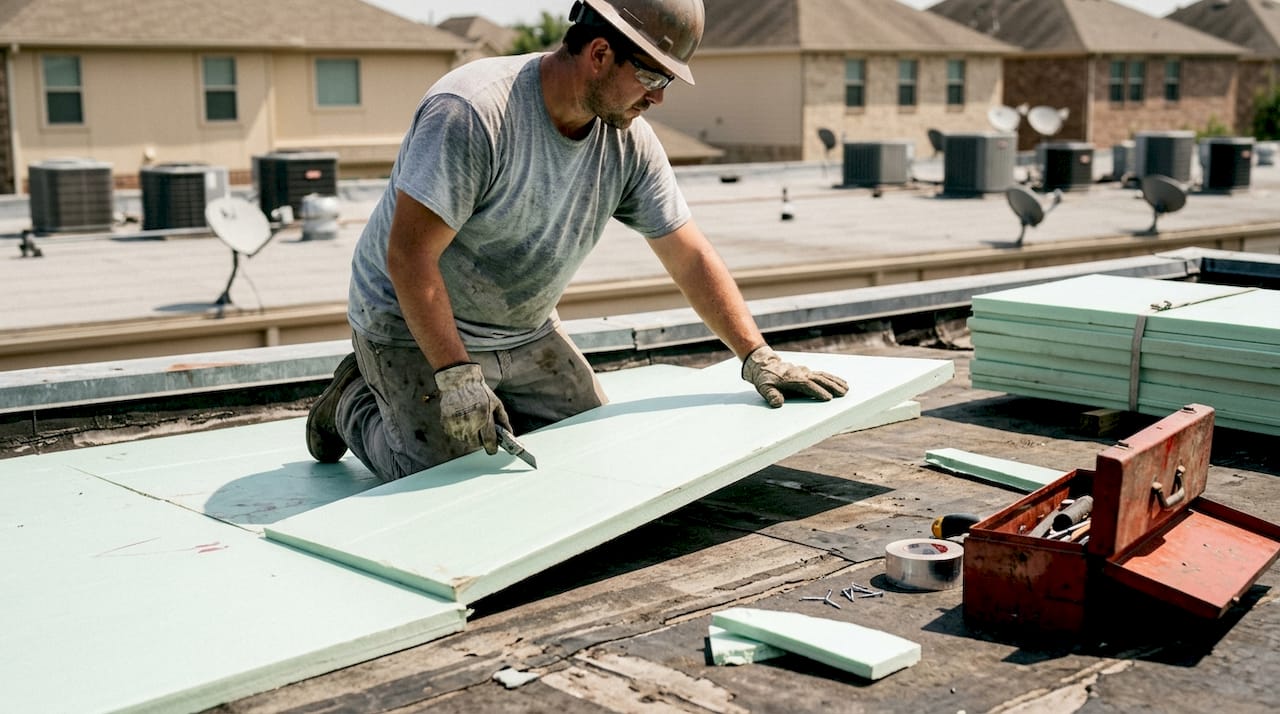
Flat roofs make it easy to install continuous rigid insulation across the entire deck without the gaps and thermal bridges that often appear in attic-based insulation systems under pitched roofs. That means a more consistent interior temperature and less work for your air conditioner.
| Roof type | Avg. summer cooling cost | Reflectivity potential | Insulation ease |
|---|---|---|---|
| Flat roof (TPO/white) | Lower by 15-25% | High | Excellent |
| Dark pitched shingle | Baseline | Low | Moderate |
| Metal pitched | Lower by 10-20% | Medium-High | Good |
White membrane and TPO flat roofs are especially effective here. Consider what makes them stand out:
- TPO membranes reflect up to 80% of solar radiation, keeping your attic and living spaces cooler.
- White modified bitumen acts like a mirror for sunlight rather than absorbing it.
- Cool roof coatings can be applied to existing flat roofs as an affordable energy upgrade.
- Continuous insulation layers eliminate cold and hot spots common in attic-insulated pitched roofs.
Pro Tip: Ask your contractor about reflective roof coatings. A quality elastomeric coating applied over a flat roof can add years to the membrane’s life while cutting summer energy use noticeably.
Weather resistance and durability: Handling Texas storms
Energy isn’t the only concern. Let’s examine how flat roofs excel at weathering Texas’ toughest storms. The misconception that flat roofs fail in heavy rain is one of the most persistent myths out there. Modern flat roofing systems are specifically engineered for water management, and waterproofing flat roofs using proper design and materials resist wind uplift and water penetration effectively.
Here’s how to build a flat roof that can take a Texas beating:
- Choose the right membrane. TPO, EPDM, and PVC each offer strong performance. TPO is especially popular in Texas for its heat resistance and weld-sealed seams.
- Ensure proper drainage. Internal drains and tapered insulation systems move water off the roof quickly, preventing ponding.
- Use impact-rated materials. Some TPO and PVC membranes carry Class 4 hail resistance ratings, the highest available.
- Hire experienced installers. Poor seam welding is the number one cause of flat roof leaks. Precision matters.
- Schedule regular inspections. Catching small seam issues before storm season prevents catastrophic failures.
“Flat roofing materials like TPO and EPDM are engineered to last. Some flat roof materials last over 25 years when installed correctly, making them a long-lasting investment for Texas homeowners who want value from their roofing dollar.”
| Roofing type | Wind resistance | Hail resistance | Lifespan (years) |
|---|---|---|---|
| TPO flat | High | Class 3-4 | 20-30 |
| EPDM flat | High | Class 3 | 20-25 |
| Asphalt shingles | Moderate | Class 1-2 | 15-20 |
| Metal pitched | Very high | Class 4 | 30-50 |
Keeping up with flat roof maintenance is what separates a 15-year roof from a 30-year one. A well-maintained flat roof doesn’t just survive Texas storms. It performs consistently for decades.
Maintenance, repairs, and long-term value
The long-term value of a flat roof depends on keeping it in top shape. Fortunately, flat roofs have a real advantage here that most homeowners don’t consider until they’re standing on a steep pitch wondering how to safely check for damage. Flat roof inspections are easier and safer to conduct compared to sloped roofs, which means problems get caught earlier and fixed for less money.
Here’s what a good flat roof maintenance routine looks like:
- Clear debris regularly. Leaves, branches, and dirt collect in corners and can block drains, leading to standing water.
- Check seams and flashings twice a year. These are the most common failure points on any flat roof.
- Remove standing water within 48 hours. Ponding water accelerates membrane deterioration over time.
- Inspect after major storms. Hail and flying debris can create micro-punctures that aren’t visible from the ground.
- Document your inspections. Many manufacturers require documented maintenance records to honor warranty claims.
Using a reliable flat roof maintenance guide helps you stay organized and catch issues before they become expensive. The cost of a professional inspection is almost always far less than an emergency repair after a problem has been ignored too long.
Pro Tip: Schedule professional inspections in both spring and fall. A post-storm inspection after major Texas weather events is especially important for catching small punctures or lifted seams before they grow into real leaks.
Understanding roof maintenance importance helps you protect your investment and stay ahead of costly repairs. The goal is simple: a small investment of time and money on inspections saves you thousands in avoidable damage down the road.
Our take: Flat roofs are the future for modern Texas homes
Here’s the honest truth that most roofing articles won’t say directly: the idea that flat roofs are trouble-prone is mostly a 1980s problem being applied to a 2026 solution. The materials, coatings, and installation techniques available today are in a completely different category from what earned flat roofs a bad reputation decades ago.
We’ve seen homeowners default to pitched shingle roofs simply because they feel familiar, only to spend significantly more on storm repairs over a 10-year window than neighbors with well-installed TPO flat systems. That pattern isn’t a coincidence. It reflects a gap between perception and modern reality.
Flat roofs suit Texas homes especially well because they match the climate, the architecture, and the energy demands of the region. When someone dismisses them without investigating current flat roofing options, they’re often leaving real value on the table. A quality flat roof, installed by experienced professionals and maintained properly, is not a compromise. It’s often the smarter choice.
Ready for a flat roof upgrade in Texas?
If you’ve been weighing your roofing options, this is the moment to take the next step with a team that knows Texas conditions inside and out.
Mister ReRoof specializes in flat roof replacement services across El Campo and Houston, TX, delivering installations built for durability and long-term performance. Whether you’re starting from scratch or upgrading an aging system, we also offer TPO roof replacement with warranty-backed workmanship you can count on. Our team assesses your property, recommends the right materials for your climate and budget, and installs with precision. Contact Mister ReRoof today for a free estimate and find out exactly what a professional flat roof upgrade looks like for your home.
Frequently asked questions
Do flat roofs leak more than pitched roofs?
No. When properly installed and maintained, flat roofs are as leak-resistant as pitched roofs. Proper design and maintenance prevent leaks, and flat roofs are actually easier to inspect for early warning signs.
How long does a flat roof last in Texas?
Quality flat roofs in Texas can last 20 to 30 years with the right materials and regular care. Some flat roof materials exceed 25 years when installed by experienced professionals.
Are flat roofs more affordable than pitched roofs?
Yes. Flat roofs are cost-effective and simple to install, and their accessible surface also tends to lower long-term maintenance costs compared to steep-pitch alternatives.
What flat roof material is best for Texas weather?
TPO and modified bitumen are the most popular choices for Texas homeowners. TPO is a leading option for its heat-reflective surface and strong seam performance in high-wind and hail-prone areas.
