TL;DR:
- Regular roof inspections are essential for detecting hidden damage early, preventing costly repairs and preserving home safety, especially in Texas’ severe weather conditions.
- Scheduling inspections twice yearly, after storms, and for older roofs helps homeowners maintain roof integrity, minimize expenses, and support insurance claims.
Regular roof inspections are the single most effective way to catch hidden damage before it turns into a financial disaster. A missed crack in the flashing or a few loose shingles can quietly allow water into your home for months before you notice a stain on the ceiling. By then, you may be dealing with mold, rotted decking, and a repair bill that dwarfs what a routine inspection would have cost. For Texas homeowners in El Campo and Houston, where severe storms, intense UV exposure, and sudden temperature swings are facts of life, understanding why regular roof inspections matter is not optional. It is how you protect your investment.
Why regular roof inspections are your best defense against costly damage
Roof inspections shift you from reactive emergency repairs to proactive health checks that catch small vulnerabilities early. That shift is worth more than most homeowners realize. A minor defect found during a scheduled visit costs almost nothing to fix. The same defect discovered after a heavy rainstorm can mean replacing insulation, drywall, and structural framing.
The financial case is straightforward. A professional inspection costs roughly $150 to $400 as of 2026. Ignoring the roof and waiting for visible damage can push repair costs into the thousands, or trigger a full replacement that runs $10,000 or more. That math alone explains why the importance of roof inspections is a core principle of responsible property ownership.
Beyond cost, inspections protect your family. A compromised roof can allow moisture to feed mold colonies inside wall cavities, degrade structural wood, and create safety hazards that are invisible from the living space below. Catching these issues early is not just about money. It is about keeping your home safe and livable.
How often should you have your roof inspected?
The industry standard, supported by Canadian insurer and building-operations guidance, calls for at least two professional inspections per year. Spring and fall are the optimal windows. Here is why timing matters:
- Spring inspection: After winter, you want to assess any damage from freeze/thaw cycles, ice accumulation, and wind. Spring gives you time to schedule repairs before summer heat sets in.
- Fall inspection: Before cold weather arrives, you need confirmation that your roof can handle rain, ice, and temperature drops. Catching a drainage problem in October is far better than discovering it in January.
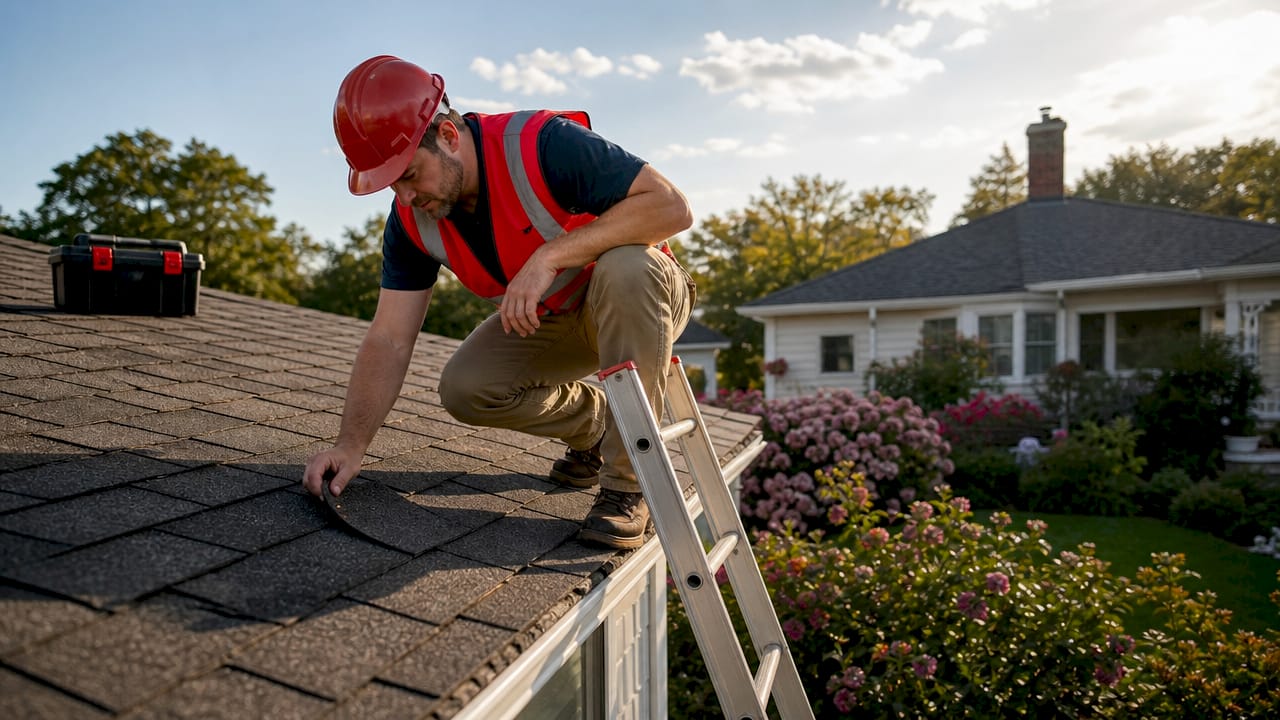
- Post-storm inspection: After hail, high winds, or a major rain event, schedule an additional check. Storm damage is often subtle at first. Granule loss on asphalt shingles or a lifted flashing edge may not look serious, but both create entry points for water.
- Aging roof adjustments: Roofs older than 15 years benefit from more frequent checks. Materials degrade faster, and the margin for error shrinks with each passing season.
Pro Tip: If your neighborhood experienced a hailstorm and you are not sure whether your roof was affected, walk the perimeter and look for granules collecting in the gutters. That is a reliable early signal that shingles took a hit and a professional inspection is warranted.
For Houston and El Campo homeowners, Texas weather adds urgency to this schedule. The Gulf Coast storm season, combined with summer UV intensity that accelerates shingle aging, means the twice-yearly minimum is a floor, not a ceiling. A solid roof maintenance checklist tailored to Texas conditions helps you stay on schedule.
What does a professional roof inspection actually cover?
A professional inspection is not a contractor walking around and glancing upward. A structured inspection covers six distinct categories, each requiring specific knowledge and tools to evaluate properly.
- Roofing materials: Shingles, tiles, or metal panels are checked for cracking, curling, missing sections, granule loss, and signs of age-related brittleness.
- Flashings: Metal strips at chimneys, vents, skylights, and wall junctions are inspected for separation, rust, and sealant failure. Flashing failures are among the most common sources of water intrusion.
- Drainage systems: Gutters, downspouts, and roof slope are evaluated to confirm water moves off the roof efficiently. Blocked or misaligned drainage causes pooling that accelerates material decay.
- Ventilation: Soffit vents, ridge vents, and attic airflow are assessed. Poor ventilation traps heat and moisture, shortening shingle life and creating conditions for mold.
- Structural elements: Decking, rafters, and fascia boards are checked for sagging, rot, or pest damage that could compromise the roof’s load-bearing capacity.
- Attic interior: Attic checks for daylight cracks, water stains, mold, and ventilation problems are critical early indicators of roof system failure. Moisture evidence in the attic often appears months before a visible ceiling leak.
| Inspection area | What it reveals |
|---|---|
| Roofing materials | Granule loss, cracking, missing shingles |
| Flashings | Separation, rust, sealant failure |
| Drainage | Pooling risk, gutter blockage |
| Ventilation | Heat/moisture buildup, mold risk |
| Attic interior | Hidden leaks, early moisture damage |
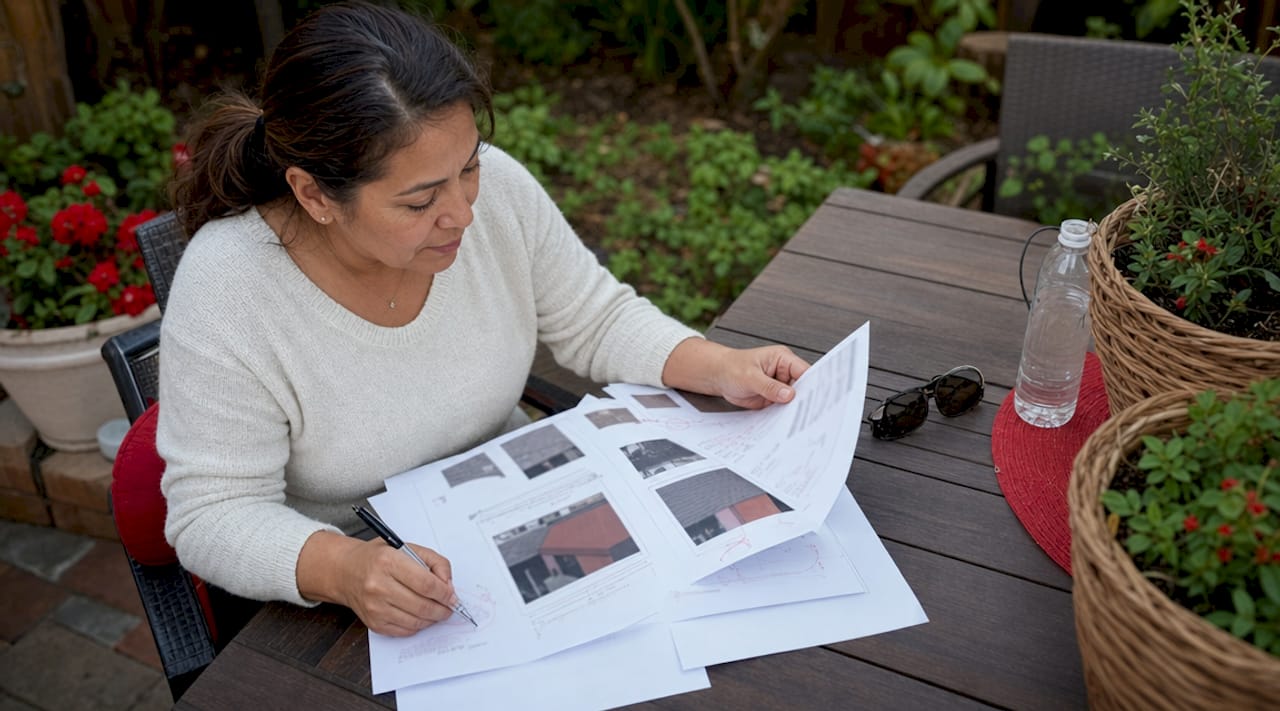
Professionals use moisture meters, thermal imaging in some cases, and photo documentation to build a record of findings. That documentation matters far beyond the inspection itself.
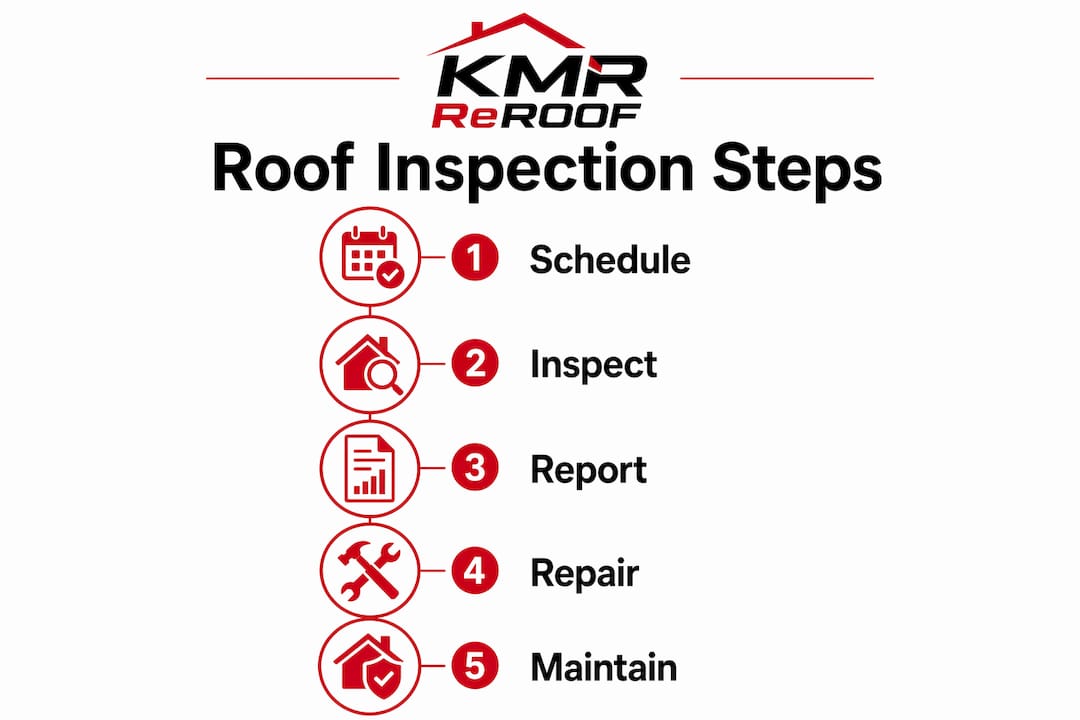
Pro Tip: Ask your inspector for a written report with date-stamped photos and severity ratings for each finding. This inspection report becomes your baseline for tracking roof condition over time and is invaluable if you ever file an insurance claim.
What are the real benefits of regular roof inspections?
The benefits extend well past avoiding a leaky ceiling. Here is what consistent, documented inspections actually deliver for property owners:
- Cost control: Regular inspections convert unpredictable emergency expenses into planned maintenance. You budget for a $300 inspection instead of absorbing a surprise $8,000 repair.
- Water damage prevention: Inspections catch the flashing gaps and shingle failures that allow water intrusion leading to ceiling damage, mold growth, and structural rot before those problems take hold.
- Insurance support: Documented inspection reports reduce dispute risk by establishing a pre-event condition baseline. When you file a claim after a storm, a dated report showing your roof was in good condition before the event is powerful evidence.
- Real estate leverage: A clean inspection report strengthens your negotiating position when selling. Buyers and their agents scrutinize roofs. A documented maintenance history removes a major objection.
- Energy efficiency: Ventilation and insulation problems found during inspections directly affect your heating and cooling costs. Fixing a ventilation issue can reduce attic temperatures significantly, cutting summer energy bills.
“A $200 to $400 inspection can avoid thousands in later repairs or total roof replacement costs.” — Cert-A-Roof, 2026
The benefits of roof maintenance compound over time. A roof that receives consistent attention routinely outlasts its rated lifespan. One that is ignored typically fails years early, forcing a replacement that could have been deferred with modest annual investment.
How inspections protect your roof from weather-related damage
Texas weather is not gentle. Hailstorms, tropical storm remnants, extreme summer heat, and occasional hard freezes all stress roofing materials in different ways. Understanding how each threat works helps you see why post-weather inspections are non-negotiable.
Hail and wind create immediate, visible damage in severe cases, but more often cause subtle granule loss and micro-fractures that only worsen over time. A shingle that looks intact after a hailstorm may be structurally compromised and will fail within a season or two.
UV exposure is a slow killer. Houston’s summer sun degrades asphalt shingles faster than in cooler climates, accelerating the brittleness that leads to cracking and curling. Inspections catch this progression before it reaches the point of failure.
Ice dams, while less common in Houston than in northern states, do occur during hard freezes. Ice dams form after freeze/thaw cycles, trapping water under shingles and causing damage that spreads silently. When ice dams are observed, engaging a professional is the right call. Homeowner removal attempts rarely address the underlying drainage and ventilation issues that caused the dam.
Inspections also catch drainage failures that compound weather damage. A clogged gutter during a heavy rain event turns a manageable downpour into a pooling problem that saturates the roof edge and fascia. Catching that blockage in a fall inspection prevents the winter damage that follows.
For deeper guidance on protecting your Texas home through seasonal maintenance, the principles are consistent: inspect before the weather turns, document what you find, and act on small repairs before the next storm arrives.
Key takeaways
Regular roof inspections are the most cost-effective tool a property owner has for preventing expensive repairs, extending roof life, and maintaining insurance and resale value.
| Point | Details |
|---|---|
| Inspect twice yearly | Schedule professional checks in spring and fall, plus after any major storm. |
| Inspections cover six areas | Materials, flashings, drainage, ventilation, structure, and attic are all evaluated. |
| Documentation protects you | Date-stamped reports support insurance claims and real estate negotiations. |
| Early detection saves money | A $150 to $400 inspection prevents repairs that can cost thousands more. |
| Weather demands urgency | Texas storms, UV exposure, and freeze events make skipping inspections a high-risk decision. |
What I’ve learned after years of seeing what gets missed
Most homeowners I talk to assume their roof is fine because they do not see a leak. That assumption is the most expensive mistake in residential property ownership. The damage I see most often during inspections is invisible from inside the house: flashing that has separated a quarter inch, attic moisture that has been building for two seasons, granule loss that has left shingles paper-thin. None of it shows up as a drip until the situation is already serious.
The other pattern I notice is that homeowners who get inspections on a consistent schedule almost never face emergency calls. They know what their roof looked like six months ago. They have photos. They have a report. When something changes, they catch it fast. The homeowners who call in a panic after a storm are almost always the ones who skipped the last two or three inspections.
My honest advice: treat your roof the way you treat your car. You do not wait for the engine to seize before you change the oil. A repeatable checklist-driven inspection with photos and severity ratings gives you a trend record that makes every future inspection more valuable than the last. That record is also the thing that saves you in a dispute with an insurance adjuster.
The homeowners who get the best outcomes are not the ones with the newest roofs. They are the ones who pay attention consistently.
— Misterreroof
Protect your Texas roof with Misterreroof

Mister ReRoof serves homeowners and businesses across El Campo and Houston, TX, with professional roofing services built for Texas conditions. Whether you need a post-storm assessment, a seasonal maintenance check, or you have discovered damage that requires action, the Misterreroof team brings the expertise to evaluate your roof accurately and give you a clear picture of what it needs. If your inspection reveals that repair is no longer enough, the Texas roof replacement guide walks you through every step of the process. Contact Misterreroof today to schedule your inspection and get a free estimate on any work your roof requires.
FAQ
How often should a roof be professionally inspected?
Professional inspections should happen at least twice per year, typically in spring and fall, plus after any significant storm event. Roofs older than 15 years may benefit from more frequent checks given accelerated material wear.
What does a roof inspection checklist include?
A thorough inspection covers roofing materials, flashings, drainage systems, ventilation, structural elements, and the attic interior. Each area is documented with photos and severity ratings to track condition over time.
How much does a professional roof inspection cost?
A residential roof inspection typically costs between $150 and $400 as of 2026, depending on roof size and complexity. That investment is minor compared to the thousands a missed defect can cost in repairs.
What are the signs you need a roof inspection right away?
Granules collecting in gutters, water stains on ceilings or attic surfaces, visible shingle curling or cracking, and any recent hail or high-wind event are all clear signals to schedule an inspection without delay.
Can a roof inspection help with insurance claims?
Yes. Date-stamped inspection reports with photos establish a pre-event condition baseline that reduces disputes with insurers and supports claims for storm-related damage. Requesting actionable findings with documented photos is a proven strategy for protecting your claim.
