TL;DR:
- Most homeowners choose architectural asphalt shingles because they provide 25–30 years of performance at a reasonable cost. Proper maintenance and regional material selection are essential to maximize a shingle roof’s lifespan. Regular inspections, good attic ventilation, and timely repairs prevent premature roof failure and costly damages.
Shingle roofing is the dominant residential roofing system in the United States, with asphalt shingles covering over 80% of US homes. That prevalence exists for good reason. Shingles come in a wide range of materials, lifespans, and price points, making them adaptable to nearly any home or budget. This shingle roof types guide covers every major category, from basic 3-tab asphalt to century-lasting slate, so you can choose the right material, plan your maintenance, and protect your investment for decades.
1. What are the main types of shingle roofs?
The roofing industry recognizes seven primary shingle categories. Each differs in material, performance, and cost. Knowing these categories is the foundation of any smart roofing decision.
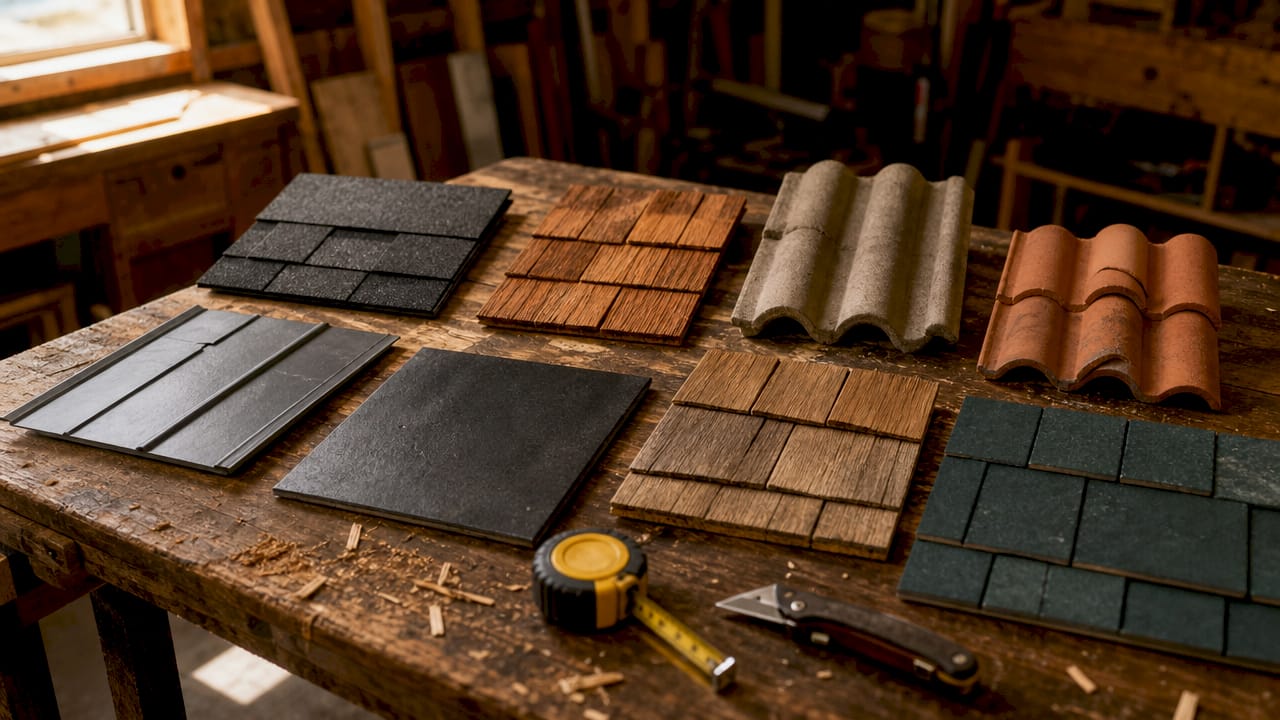
Shingle lifespans vary significantly by type. The table below summarizes each category, its typical lifespan, and its best use case.
| Shingle type | Typical lifespan | Best use case |
|---|---|---|
| 3-tab asphalt | 15–20 years | Budget-focused replacements |
| Architectural (laminate) asphalt | 25–30 years | Most residential homes |
| Luxury/premium asphalt | 30–50 years | High-end curb appeal on a budget |
| Composite/synthetic | 20–40 years | Eco-conscious or HOA-restricted homes |
| Wood (cedar shake) | 20–40 years | Rustic or traditional aesthetics |
| Metal shingles | 40–50 years | High-wind or heat-prone regions |
| Slate | 75+ years | Historic homes with strong roof structures |
Lifespan directly shapes your replacement and maintenance planning. A homeowner who installs 3-tab shingles at age 40 will likely replace that roof at least twice before retirement. Choosing architectural or luxury asphalt instead can cut that number to one replacement, which changes the total cost picture significantly.
Architectural shingles represent over 75% of new roofing installations nationwide. That dominance reflects their balance of cost, durability, and appearance. They are the default choice for most residential projects in 2026.
2. How do different shingle types compare in durability, aesthetics, and cost?
Durability, appearance, and price pull in different directions depending on the material. Understanding these trade-offs is how you avoid buyer’s remorse after installation.
Durability comparison by category:
- 3-tab asphalt: Lightest and thinnest. Rated for winds up to 60 mph in most cases. Least impact-resistant option.
- Architectural asphalt: Thicker, multi-layer construction. Rated for winds up to 110–130 mph. Qualifies for Class 4 impact resistance with some products.
- Luxury asphalt: Heaviest asphalt option. Mimics slate or wood. Excellent impact and wind resistance.
- Composite/synthetic: Made from rubber, plastic, or polymer blends. Lightweight yet durable. Resists impact well without adding structural load.
- Wood (cedar shake): Attractive natural look. Requires regular treatment to resist rot, moss, and fire. Not ideal for humid climates without chemical treatment.
- Metal shingles: Exceptional wind and hail resistance. Reflects heat effectively. Adds minimal weight compared to slate.
- Slate: The most durable option available. Heavy enough to require structural assessment before installation. Virtually maintenance-free once installed.
Aesthetic considerations:
Architectural shingles offer a dimensional, layered look that flat 3-tab shingles cannot replicate. Luxury asphalt products closely mimic the appearance of slate or cedar at a fraction of the cost. Wood shakes deliver a warm, natural texture that synthetic options approximate but do not fully match. Slate is unmatched in prestige and visual weight.
General cost hierarchy (materials plus installation, low to high): 3-tab asphalt, architectural asphalt, composite/synthetic, luxury asphalt, wood, metal shingles, slate.
Pro Tip: If you want the look of slate without the structural cost, luxury asphalt shingles are the most cost-effective path. They deliver 30–50 years of performance and a premium appearance at roughly half the installed cost of real slate.
Selecting shingles requires balancing cost with performance factors to meet regional building requirements. A shingle that performs well in Phoenix may fail prematurely in Houston’s humidity and storm season.
3. What are essential maintenance tips to maximize shingle roof lifespan?
Maintenance is where most homeowners lose years of roof life. The right habits cost very little. Neglect costs thousands.
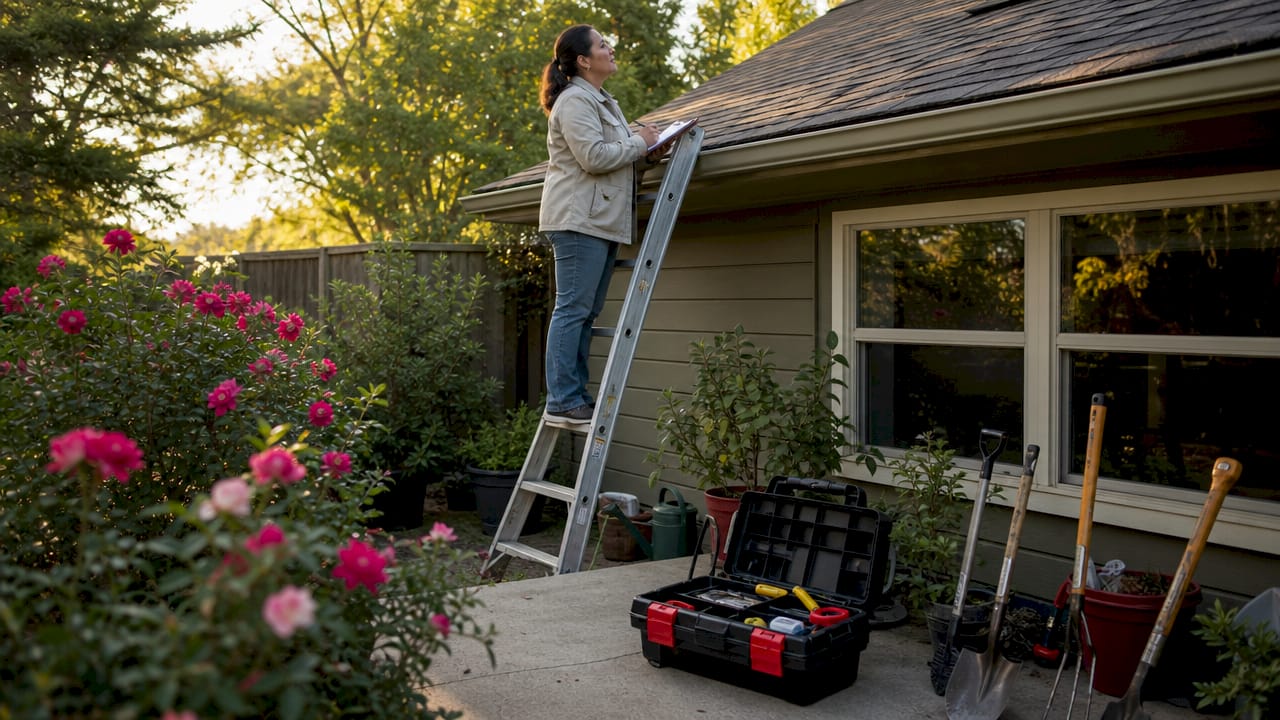
Inspect your roof twice per year and after every major weather event. Early detection of cracked, curling, or missing shingles prevents water intrusion that spreads damage to decking and insulation. A pair of binoculars from the ground works for basic visual checks.
Core maintenance tasks:
- Clear debris (leaves, branches, dirt) from the roof surface and valleys using a soft brush or leaf blower.
- Keep gutters clean and free-flowing. Clogged gutters back up water under shingles and accelerate rot.
- Trim overhanging tree branches to reduce debris accumulation and prevent physical damage during storms.
- Check and reseal flashing around chimneys, vents, and skylights annually.
- Look for granule loss in gutters. Heavy granule shedding signals that asphalt shingles are nearing end of life.
Never use a high-pressure washer on asphalt or composite shingles. Pressure strips the protective granules that shield shingles from UV damage and voids most manufacturer warranties. Use a soft brush or low-pressure rinse only.
Proper attic ventilation significantly extends asphalt shingle life by preventing heat and moisture buildup beneath the roof deck. Ridge vents paired with clear soffit vents create the airflow needed to keep shingles from cooking from below. This single factor is often overlooked but has a larger impact on lifespan than any cleaning routine.
Pro Tip: Schedule your two annual inspections in spring and fall. Spring catches winter damage before summer storms arrive. Fall prepares the roof for ice, snow, and freeze-thaw cycles.
Licensed contractors should handle flashing repairs, shingle replacements, and moss treatment to maintain warranties and ensure safety. DIY work on these tasks frequently voids coverage and can create new leak points. Limit your own work to debris removal and visual inspections. You can also use a Texas roof maintenance checklist to stay on schedule with seasonal tasks.
4. Which shingle types work best for specific climates and structures?
The right shingle for your neighbor’s home in Denver may be the wrong choice for your home in Houston. Climate and structure are non-negotiable filters in the selection process.
Climate-based recommendations:
- Hurricane-prone coastal areas (Gulf Coast, Florida): Architectural or luxury asphalt rated for high wind. Metal shingles also perform well. Avoid wood shakes, which absorb moisture and degrade faster in humid, storm-heavy environments.
- Snowy northern regions: Architectural asphalt with a steep roof pitch to shed snow. Metal shingles are excellent here because snow slides off rather than accumulating.
- Hot, arid climates (Texas, Arizona, Nevada): Metal shingles reflect heat effectively. Light-colored architectural asphalt with reflective granules also reduces cooling loads. Asphalt shingles are well-suited for Houston homes given the heat, humidity, and storm exposure.
- Mild, temperate climates: Architectural asphalt is the default choice. Wood shakes work here if properly treated and maintained.
- High-altitude or wildfire-risk areas: Composite/synthetic shingles rated Class A fire-resistant. Metal shingles also carry Class A ratings.
Structural considerations:
Heavy roofing materials like slate and clay require a structural assessment before installation. Slate can weigh three to four times more per square foot than asphalt. Installing it on a deck designed for asphalt risks sagging or failure over time. A structural engineer or experienced roofing contractor can evaluate whether your framing can handle the load.
Structural assessments are critical before installing heavy roofing materials to prevent deck failure under load. Composite and synthetic shingles solve this problem elegantly. They replicate the look of slate or wood while weighing far less, making them a practical option for older homes with lighter framing.
Local building codes also shape your options. Many hurricane-prone counties require shingles rated to specific wind speeds. Some HOAs restrict color and material choices. Always verify local requirements before purchasing materials. Your roofing contractor should know the applicable codes for your area.
Key takeaways
Architectural asphalt shingles are the best choice for most homeowners because they deliver 25–30 years of performance, strong wind resistance, and good aesthetics at a mid-range price.
| Point | Details |
|---|---|
| Asphalt dominates the market | Asphalt shingles cover over 80% of US homes, with architectural types leading new installs. |
| Lifespan varies widely by type | Lifespans range from 15 years (3-tab) to 75+ years (slate), directly affecting replacement costs. |
| Maintenance extends roof life | Twice-yearly inspections and proper attic ventilation add years to any shingle roof. |
| Climate drives material choice | Match shingle type to your region’s wind, heat, and moisture conditions to avoid premature failure. |
| Heavy materials need structural checks | Slate and clay require a structural assessment before installation to prevent deck damage. |
What I’ve learned after years of watching roofs fail too soon
Most homeowners treat roofing as a one-time decision. They pick a shingle, install it, and forget about it until something leaks. That approach is the single biggest driver of premature roof failure I see.
The homeowners who get the most life out of their roofs do two things consistently. They inspect twice a year and they fix small problems before those problems become large ones. A $200 flashing repair ignored for two years becomes a $4,000 deck replacement. The math is not complicated, but the discipline is harder than it sounds.
The second misconception I see constantly is that more expensive always means better. Slate is extraordinary, but it is wrong for most homes. A well-maintained architectural asphalt roof on a properly ventilated attic will outlast a neglected luxury shingle every time. Material quality matters. Maintenance matters more.
One insider tip worth knowing: when you get a replacement quote, ask the contractor to show you the attic ventilation plan. If they do not have one, find a different contractor. Ventilation is the invisible factor that separates a 20-year roof from a 30-year roof, and most homeowners never think to ask about it. You can explore shingle roofing options for Houston homes to see how ventilation and material selection work together in Texas conditions.
— Misterreroof
Misterreroof: professional shingle roof replacement in Texas
Misterreroof serves homeowners and property managers across El Campo and Houston, TX, with shingle roof replacement built to handle Texas weather. Whether you need a full replacement or want a professional inspection before the next storm season, Misterreroof delivers quality workmanship and honest estimates.
The team at Mister reroof installs architectural, luxury, and standard asphalt shingles, along with metal and flat roofing systems. Every project starts with a thorough assessment of your existing structure, ventilation, and local code requirements. For Texas homeowners ready to make a confident roofing decision, the Texas roof replacement guide covers everything you need to know before signing a contract. You can also review shingle roofing advantages for Houston homeowners to see why asphalt remains the top choice in the region. Contact Misterreroof today for a free estimate.
FAQ
What is the most popular shingle type for US homes?
Architectural (laminate) asphalt shingles are the most popular choice, representing over 75% of new roofing installations nationwide. They balance cost, durability, and appearance better than any other single option.
How long do asphalt shingles last?
3-tab asphalt shingles last 15–20 years, while architectural shingles last 25–30 years and luxury asphalt shingles can last 30–50 years. Lifespan depends heavily on climate, ventilation, and maintenance habits.
Can I install new shingles over old ones?
Layering shingles over existing ones is generally discouraged because it adds structural load, hides existing damage, and typically voids manufacturer warranties. Full removal is the recommended approach for best results.
How often should I inspect my shingle roof?
Inspect your roof twice per year, ideally in spring and fall, plus after any major storm. Early detection of cracked or missing shingles prevents water damage that spreads to the roof deck and interior.
Which shingle type is best for hurricane-prone areas?
Architectural or luxury asphalt shingles rated for high wind speeds are the best choice for hurricane-prone regions. Metal shingles are also an excellent option because of their superior wind and impact resistance.
Recommended
- Shingle Roofing Explained: Durable Choices for Houston Homes
- Top 7 Shingle Roofing Options 2025 for Texas Homeowners
- Top 4 Metal vs Shingle Roofs Comparison in 2026 for Homeowners Evaluating Durability and Costs
- Flat vs pitched roofs: Texas homeowner’s 2026 guide
- Metal Roof Replacement in El Campo, TX
