TL;DR:
- Cool roofing materials with high reflectance and emittance are essential for Texas homes to reduce heat absorption and lower cooling costs. Metal, tile, and certified cool asphalt shingles outperform standard roofs, especially when combined with proper insulation and ventilation systems. Verifying CRRC and ENERGY STAR certifications ensures long-term performance and compliance with local codes.
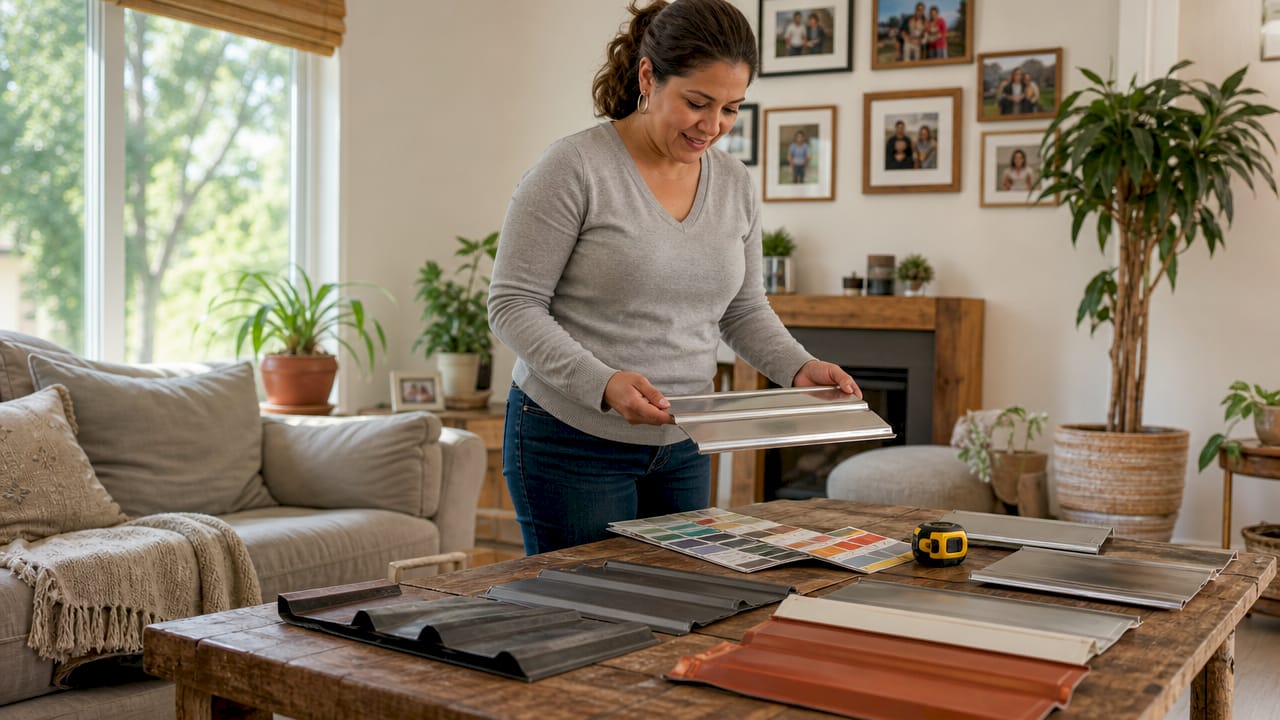
The most effective roofing styles for Texas heat are those built around cool roofing principles, specifically high solar reflectance and strong thermal emittance, to push heat away from your home rather than absorb it. Cool roofs stay more than 50°F cooler than conventional roofs on sunny summer afternoons, which translates directly into lower air conditioning bills and a longer-lasting roof structure. The top performers in Texas are standing-seam metal roofs, clay and concrete tiles, and CRRC-certified cool asphalt shingles. Each material handles heat differently, and choosing the right one depends on your budget, your home’s architecture, and how long you plan to stay in the property.
1. Roofing styles for Texas heat: why cool roofing is the baseline standard
Cool roofing is the industry term for any roofing system designed to reflect more sunlight and absorb less heat than a standard roof. The Cool Roof Rating Council (CRRC) and ENERGY STAR both certify products based on two verified metrics: solar reflectance (how much sunlight bounces off) and thermal emittance (how quickly the surface releases absorbed heat). These numbers matter more than color claims or marketing language. A roof labeled “light gray” with no CRRC rating may still trap significant heat, while a CRRC-certified product delivers documented performance you can verify before purchase.
Texas homeowners face some of the most punishing roof conditions in the country. Conventional dark asphalt shingles can reach surface temperatures above 150°F on a summer afternoon in Houston or San Antonio. That heat radiates into your attic and forces your HVAC system to work harder for hours after sunset. Every roofing style discussed below is evaluated against this baseline.
2. Standing-seam metal roofs
Standing-seam metal roofing is the best-in-class solution for Texas homes that prioritize long lifespan and measurable heat reduction. Metal roofs with Kynar or PVDF coatings reflect 60 to 70% of solar radiation, cutting attic temperatures by 15 to 20°F compared to dark shingles. That gap is large enough to reduce peak cooling loads significantly during July and August in Houston, El Campo, and the Rio Grande Valley.
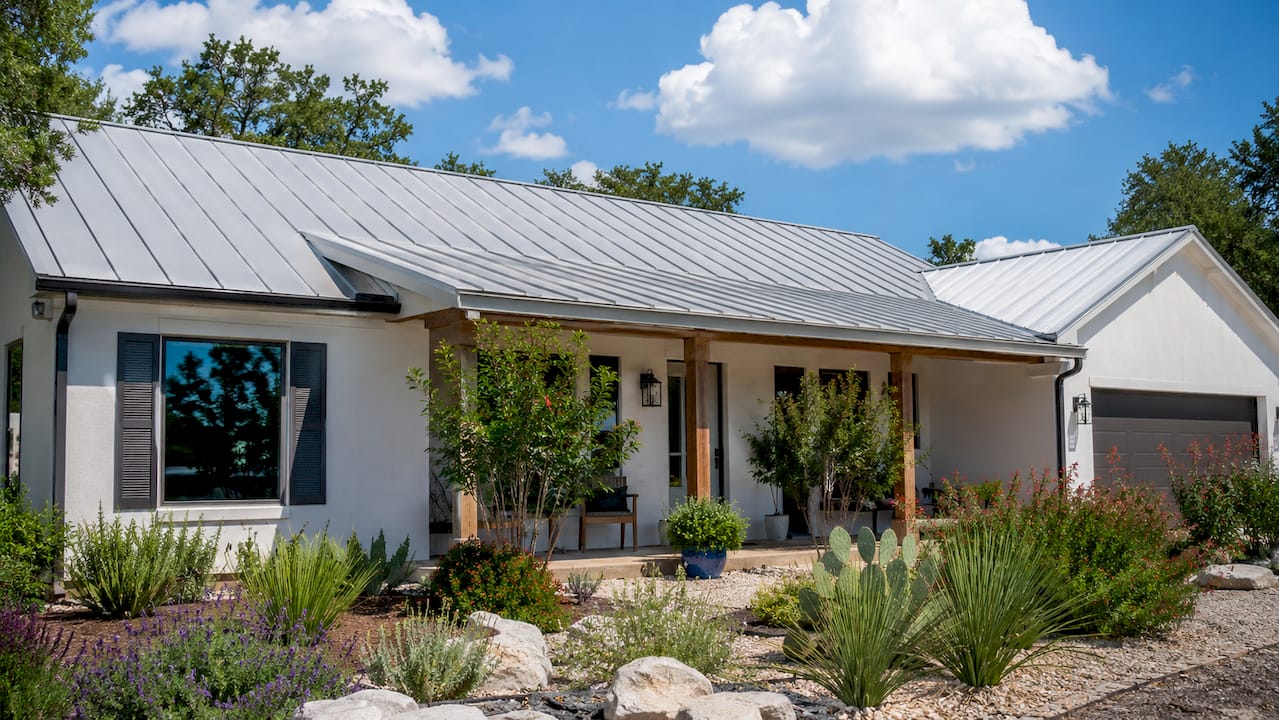
The standing-seam design also creates a small air gap between the metal panels and the roof deck. This gap acts as a thermal break, slowing heat conduction into the structure below. Metal roofs typically last 40 to 70 years with minimal maintenance, making the higher upfront cost easier to justify over a 30-year mortgage. For property managers overseeing multiple buildings, the reduced maintenance calls alone often offset the price difference within a decade.
Pro Tip: Request the CRRC product ID from your metal roofing supplier and verify the aged solar reflectance value, not just the initial value. Reflectance drops slightly over time, and the aged number is what determines long-term performance and code compliance.
3. Clay and concrete tile roofs
Clay and concrete tiles provide thermal mass, a property that slows heat transfer rather than simply reflecting it. Tile roofs moderate heat transfer through their density and the natural air circulation that occurs beneath the tiles when properly installed. This makes them a strong choice for Texas homes in drier regions like West Texas and the Hill Country, where the combination of high heat and low humidity suits their performance profile.
Clay tiles are the more durable of the two, with lifespans exceeding 50 years in many cases. Concrete tiles cost less upfront but are heavier, which means your roof structure may need reinforcement before installation. Both materials are available in lighter colors and reflective coatings that push their solar reflectance into CRRC-qualifying territory. The curved profile of barrel tiles also promotes natural ventilation under the tile surface, adding another layer of passive heat management.
4. Cool asphalt shingles with CRRC-certified granules
Asphalt shingles remain the most common roofing material in Texas, and the gap between standard shingles and cool-rated shingles is significant. CRRC-certified cool asphalt shingles use specially coated granules that reflect near-infrared radiation, the part of sunlight responsible for most heat gain, without requiring a light color. This means you can get a dark charcoal or brown shingle that still meets ENERGY STAR reflectance thresholds.
For homeowners who want the cost efficiency of asphalt with meaningful heat performance, CRRC-rated shingles are the practical middle ground. They cost roughly 10 to 20% more than standard shingles but qualify for utility rebates in many Texas service territories. Lifespan runs 20 to 30 years depending on installation quality and attic ventilation. You can explore shingle options for Houston homes to compare specific products suited to the Gulf Coast climate.
5. TPO and single-ply membrane roofs for low-slope applications
TPO (thermoplastic polyolefin) is the dominant cool roofing choice for flat and low-slope roofs, which are common on commercial properties, additions, and modern residential designs across Texas. White TPO membranes typically achieve solar reflectance values above 0.80, well above the ENERGY STAR minimum. The material is also lightweight, resistant to UV degradation, and heat-weldable at seams, which eliminates the leak points that plague older flat roof systems.
Property managers in Houston and Dallas who oversee commercial or mixed-use buildings should note that Houston requires 0.55 aged solar reflectance and 0.75 thermal emittance for low-slope commercial roofs. TPO from major manufacturers like Carlisle, Firestone, and GAF consistently meets or exceeds these thresholds. Reroofing projects that affect more than 25% of the roof area trigger compliance, so planning material selection before pulling permits saves time and avoids costly change orders.
6. How CRRC and ENERGY STAR certifications protect your investment
Choosing a roofing product based on color or a contractor’s verbal assurance is a gamble that costs Texas homeowners real money. Verified CRRC and ENERGY STAR ratings confirm both initial and aged reflectance values, which is the only reliable way to know what performance you are actually buying. Aged reflectance matters because all roofing materials lose some reflectivity over time due to dirt accumulation and UV exposure. A product with strong aged values maintains its cooling benefit years after installation.
Here is a practical checklist to use when shopping for roofing materials:
- Ask for the CRRC product ID and look it up at the CRRC Rated Products Directory.
- Confirm the aged solar reflectance meets or exceeds 0.55 for low-slope roofs or 0.25 for steep-slope roofs under ENERGY STAR guidelines.
- Verify thermal emittance is at or above 0.75 for low-slope applications.
- Request documentation showing ENERGY STAR qualification if you plan to apply for utility rebates.
- Check whether your project triggers Houston or Dallas cool roof compliance based on the percentage of roof area being replaced.
Pro Tip: Building owners in Houston or Dallas planning a reroof that covers more than 25% of the roof area should document material certifications before submitting permit applications. Missing this step is one of the most common causes of inspection delays on reroofing projects.
7. Roof assembly: insulation, ventilation, and installation quality
A reflective surface alone does not stop heat from entering your home. Cool roof energy savings depend on insulation, ventilation, and HVAC efficiency working together as a system. A standing-seam metal roof installed over an uninsulated attic with no ventilation will still allow significant heat gain into your living space, even with a 70% reflectance rating.
The key assembly factors that determine real-world performance include:
- Continuous insulation at the roof deck: Rigid foam insulation installed above the deck prevents thermal bridging through rafters and trusses, which is a common weak point in Texas homes built before 2000.
- Attic ventilation: Ridge vents combined with soffit vents create a convective airflow that flushes hot air out of the attic before it radiates into conditioned space. Inadequate ventilation is the single most common installation mistake Misterreroof sees on Texas reroofing projects.
- Underlayment selection: Reflective radiant barrier underlayments add a secondary layer of heat rejection beneath the primary roofing material. Products like GAF’s ThermaBase or similar radiant barrier sheathing can reduce attic temperatures by an additional 5 to 10°F.
- Air sealing at penetrations: Every pipe, vent, and electrical penetration through the ceiling plane is a potential air leak. Sealing these points prevents hot attic air from infiltrating conditioned space, which undermines the performance of even the best roofing material.
- Contractor installation quality: Improper fastening of metal panels or incorrect tile installation can compromise the air gap that provides passive thermal resistance. Always verify that your contractor follows manufacturer installation specifications.
8. Cost, lifespan, and energy savings: comparing your options
Choosing the right roofing style means balancing upfront cost against long-term performance. The table below summarizes the key financial and performance factors for the main heat-resistant roofing types used in Texas.
| Roofing type | Estimated cost per sq ft | Expected lifespan | Attic temp reduction | Best suited for |
|---|---|---|---|---|
| Standing-seam metal | $10 to $16 | 40 to 70 years | 15 to 20°F | Long-term owners, all Texas regions |
| Clay tile | $10 to $18 | 50+ years | 10 to 15°F | Dry climates, Hill Country, West Texas |
| Concrete tile | $7 to $12 | 30 to 50 years | 10 to 15°F | Budget-conscious tile buyers |
| Cool asphalt shingles | $4 to $7 | 20 to 30 years | 5 to 10°F | Most residential budgets statewide |
| TPO membrane | $5 to $9 | 20 to 30 years | 15 to 25°F | Flat and low-slope roofs |
Energy savings vary by home depending on insulation levels, HVAC efficiency, and local utility rates, but the greatest benefit consistently occurs in hot climates like Texas. Homeowners who plan to stay in a property for 15 or more years get the strongest return from metal or tile. Those planning to sell within 10 years often find that cool asphalt shingles deliver the best combination of upfront cost and resale appeal. You can review metal roofing savings data for a deeper breakdown of long-term return on investment.
Key takeaways
The most effective roofing styles for Texas heat combine high solar reflectance, strong thermal emittance, and a properly assembled roof system with adequate insulation and ventilation.
| Point | Details |
|---|---|
| Cool roofing is the standard | CRRC and ENERGY STAR certifications verify real performance, not just color claims. |
| Metal roofs lead on heat rejection | Standing-seam metal with Kynar coatings cuts attic temps by up to 20°F and lasts 40 to 70 years. |
| Assembly matters as much as material | Insulation, ventilation, and air sealing determine whether a cool roof delivers its rated savings. |
| Local codes apply in Houston and Dallas | Reroofing over 25% of roof area triggers cool roof compliance requirements in both cities. |
| Match material to your timeline | Metal and tile suit long-term owners; cool shingles offer the best value for shorter ownership horizons. |
What I’ve learned after years of Texas roofing decisions
Most homeowners focus entirely on the roofing material and treat everything below it as a contractor’s problem. That is the wrong approach. The material is the first line of defense, but the attic assembly is where most Texas homes lose the battle against heat. I have seen brand-new metal roofs installed over attics with no ventilation and R-19 insulation, and those homes still ran their AC constantly through August. The roof looked right. The system was not.
The other mistake I see repeatedly is trusting color over certification. A contractor who tells you a light-colored shingle will perform like a cool roof without showing you a CRRC product ID is guessing. The near-infrared spectrum, which carries most of the heat load, is invisible. You cannot evaluate it by looking at a shingle sample in a showroom.
My honest recommendation: start with the best roofing materials for Texas that carry verified CRRC ratings, then invest the same attention in your insulation and ventilation plan. A $15,000 metal roof over a properly ventilated, well-insulated attic will outperform a $20,000 metal roof over a poorly assembled one every single time. The material gets the credit. The assembly does the work.
— Misterreroof
Ready to replace your roof for Texas heat resilience?
If you are weighing your options for a heat-resistant roof replacement in Houston, El Campo, or anywhere across South Texas, Misterreroof has the expertise to match the right system to your home and budget.
Mister reroof specializes in metal roof replacement, shingle roof replacement, flat roof replacement, and TPO roof replacement, all installed to meet Texas energy code requirements and maximize cooling performance. Start with the Texas homeowner replacement guide to understand your options before your first contractor conversation. For Houston-specific advice, the Houston replacement tips guide covers local code requirements and material selection in detail. Contact Misterreroof today for a free estimate and a roofing system built to handle Texas summers.
FAQ
What roofing material reflects the most heat in Texas?
Standing-seam metal roofs with Kynar or PVDF coatings reflect 60 to 70% of solar radiation, making them the top performer for heat rejection among residential roofing styles in Texas. CRRC-certified TPO membranes achieve similar or higher reflectance on flat and low-slope roofs.
Do cool roofs actually lower energy bills in Texas?
Yes. Cool roofs reduce attic temperatures by up to 20°F compared to conventional dark shingles, which directly lowers the cooling load on your HVAC system. The DOE confirms that energy savings are greatest in hot climates like Texas, particularly when paired with adequate insulation.
Are cool roofs required by code in Houston or Dallas?
Houston requires an aged solar reflectance of 0.55 and thermal emittance of 0.75 for low-slope commercial roofs. Dallas has adopted similar amendments. Any reroofing project covering more than 25% of the roof area triggers compliance in both cities.
How long do heat-resistant roofs last in Texas?
Metal roofs last 40 to 70 years, clay tiles exceed 50 years, and CRRC-certified cool asphalt shingles last 20 to 30 years. Lifespan depends heavily on installation quality and whether the attic assembly includes proper ventilation and insulation.
Is a cool roof worth it if I plan to sell my home soon?
Cool asphalt shingles offer the best value for homeowners with shorter ownership horizons. They cost 10 to 20% more than standard shingles, qualify for utility rebates, and improve resale appeal without the higher upfront investment of metal or tile.
