TL;DR:
- A complete roofing system includes features like synthetic underlayment, flashing replacements, and proper ventilation to ensure long-lasting performance. These upgrades prevent leaks, moisture damage, and extend the roof’s service life beyond 15 years. Reviewing and selecting certified installation with detailed scope specifications is essential for durability and warranty activation.
Must-have roof replacement features are the specific components and upgrades that determine whether a new roof lasts 15 years or 25 or more. The roofing industry calls this a complete roofing system: every layer, from decking to ridge cap, works together to resist weather, moisture, and heat. Premium roofing systems with synthetic underlayment, ice and water shields, and full flashing replacements deliver service lives 39–66% longer than bargain installs. For homeowners and property developers in Texas and beyond, knowing these key elements for roof replacement before signing a contract is the difference between a sound investment and an expensive repeat job.
1. What are the must-have roof replacement features every scope should include?
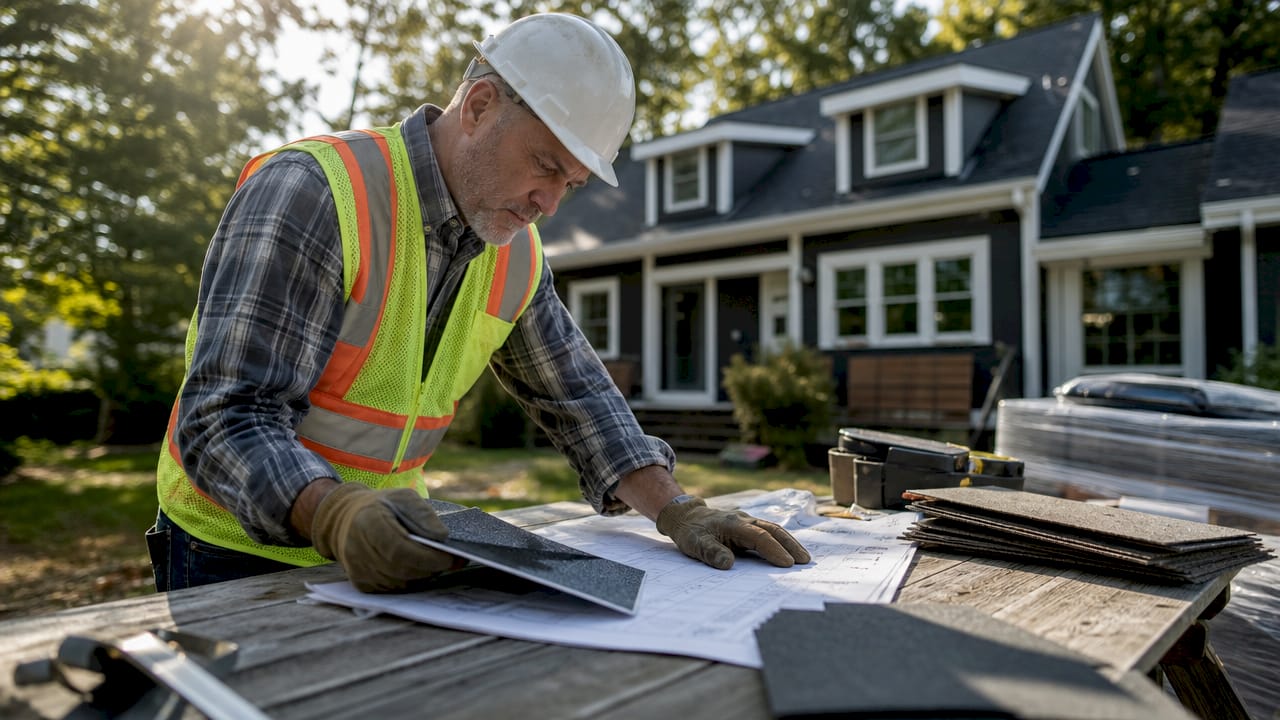
A complete roof replacement scope covers far more than shingles. The essential roofing features that separate a premium install from a budget one include synthetic underlayment, ice and water shields, full flashing replacement, drip edge upgrades, attic ventilation, decking inspection, and warranty registration. Premium installs cost $3,000–$8,000 more than bargain alternatives but deliver a service life of 25 or more years versus 15–18 years for cut-rate jobs. That math favors the upgrade every time.
Homeowners often assume all roof replacements include these components by default. They do not. Contractors who skip underlayment upgrades, reuse old flashings, or ignore ventilation are cutting costs at your expense. Reviewing the written scope line by line before work begins is the single most protective step you can take.
2. Essential underlayments and moisture barriers
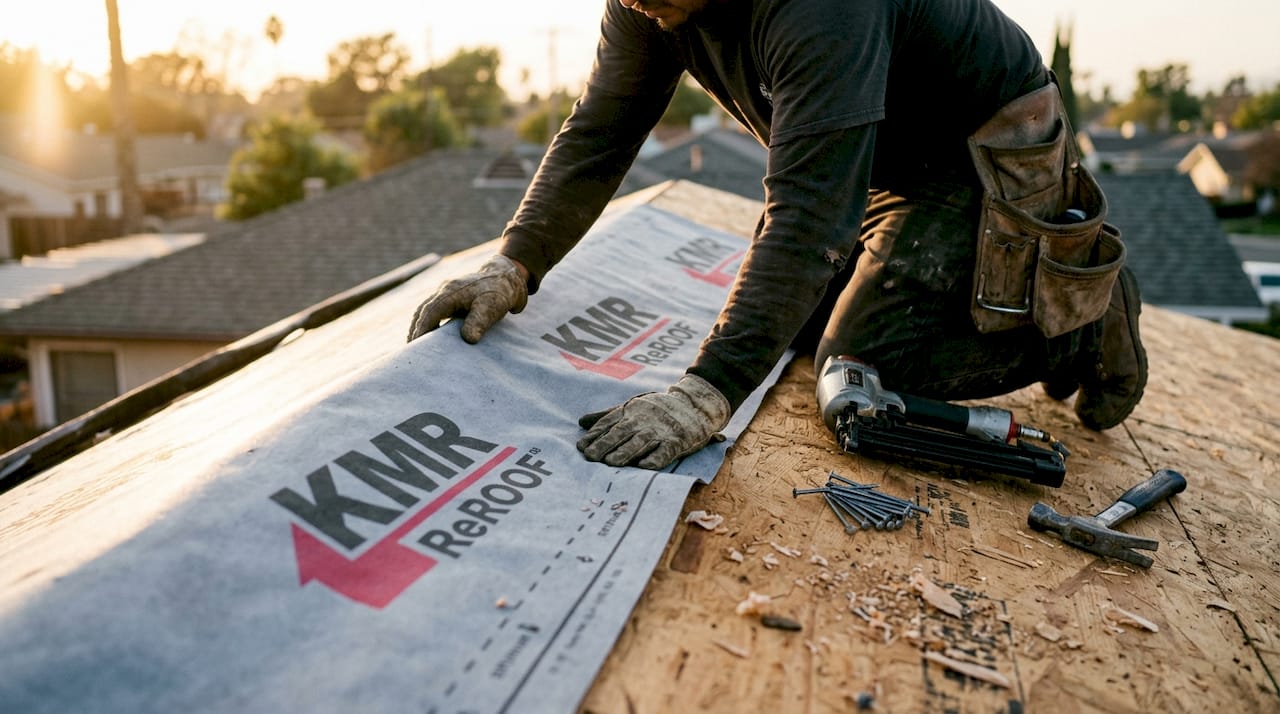
Synthetic underlayment is the first line of defense between your shingles and your roof deck. Synthetic underlayment provides higher durability and moisture resistance than standard 15-pound felt, and professionals recommend it for high-moisture environments like the Texas Gulf Coast. It resists tearing during installation, holds up to wind-driven rain if shingles are temporarily displaced, and lies flat without wrinkling.
Ice and water shield adds a second layer of protection at the most vulnerable points of any roof:
- Eaves: Where ice dams form and water backs up under shingles in cold climates
- Valleys: Where two roof planes meet and water volume concentrates
- Penetrations: Around chimneys, skylights, and vent pipes where flashing meets shingles
- Rakes: The sloped edges exposed to wind-driven rain
Pro Tip: Ask your contractor to specify the brand and weight of underlayment in the written contract. “Synthetic underlayment” is not a single product. A 30-pound synthetic performs very differently from a lightweight 10-pound version.
Together, these layers protect the roof deck and interior structure from water intrusion even when the outer surface is compromised. Skipping them to save money is one of the most common decisions homeowners later regret. The roofing system lifespan depends heavily on what sits beneath the shingles, not just the shingles themselves.
3. Why full flashing replacement and drip edge upgrades prevent leaks
Flashing is the metal work that seals every joint, edge, and penetration on your roof. Flashing components like step flashing, valley flashing, and pipe boots are the most common sources of leaks on any roof. Reusing old flashings during a replacement is a false economy. Metal corrodes, seals crack, and the geometry of old flashing rarely matches new shingles perfectly.
The key flashing components that require full replacement include:
- Step flashing: The interlocking metal pieces running up walls and chimneys alongside shingles
- Valley flashing: Open or closed metal channels directing water through roof valleys
- Pipe boots: Rubber and metal collars sealing plumbing vent penetrations
- Kickout flashing: The critical piece at the bottom of a wall-to-roof transition that directs water into gutters rather than behind siding
Drip edge is a separate but equally important upgrade. Drip edge installation costs $150–$400 but prevents fascia rot and water infiltration at the roof edge. Without it, water wicks back under the shingles and soaks the fascia board, leading to rot that costs far more to repair. Proper drip edge directs every drop of runoff cleanly into the gutter.
Certified installer qualifications matter here. Flashing work requires precision cuts and correct overlap sequences. An improperly installed kickout flashing, for example, can funnel water directly into a wall cavity for years before the damage becomes visible.
4. The importance of attic ventilation upgrades
Balanced attic ventilation is one of the most overlooked features in a roof replacement scope, and one of the most consequential. Proper attic ventilation balances intake at the soffits and exhaust at the ridge to prevent heat and moisture buildup that shortens shingle life and causes ice dams. Without that balance, heat trapped in the attic cooks shingles from the underside, voiding manufacturer warranties and accelerating granule loss.
The consequences of poor ventilation compound over time. Moisture accumulation leads to mold growth on roof decking. Excessive heat in summer raises cooling costs. In winter, warm air escaping through an under-ventilated attic melts snow on the roof, which refreezes at the cold eaves and forms ice dams that force water under shingles.
Pro Tip: During your roof replacement, ask the contractor to calculate your attic’s net free area ventilation ratio. The standard is 1 square foot of ventilation per 150 square feet of attic floor space, split evenly between intake and exhaust.
Common ventilation upgrades during a roof replacement include adding ridge vents, replacing box vents with a continuous ridge system, and clearing blocked soffit vents. Balanced attic ventilation preserves shingle warranty coverage and extends the life of the entire roofing system. Treating the attic as part of the roofing system, not a separate concern, is what separates professional installations from amateur ones.
5. Must-have shingle features for durability and climate adaptation
Shingle selection is where homeowners spend the most time, but the wrong criteria lead to poor decisions. Aesthetics matter, but impact-resistant shingles with wind uplift ratings and algae resistance tailored to local climate conditions deliver significantly better durability and lifespan than generic choices. The best roof is the one matched to your specific weather, not the one with the most appealing color.
Key shingle performance features to prioritize:
- Architectural vs. three-tab: Architectural (laminate) shingles are thicker, heavier, and carry longer warranties than three-tab shingles. Three-tab shingles are a cost-cutting measure, not a performance choice.
- Impact resistance rating: Class 3 and Class 4 ratings matter in hail-prone regions. Class 4 is the highest rating and can qualify for insurance discounts in Texas.
- Algae-resistant granules: Copper or zinc granules prevent the black streaking caused by algae growth, which is common in humid Gulf Coast climates.
- Wind uplift warranty: Look for shingles rated for 130 mph or higher in hurricane-risk areas. Standard shingles are rated for 60–70 mph.
Manufacturer certifications unlock enhanced warranty coverage. Manufacturer-backed system warranties require certified installers and matching components, and fewer than 3% of contractors hold such certifications. Choosing a certified contractor is not a minor detail. It is the mechanism that activates the warranty you are paying for. For a deeper look at material options, selecting roofing materials by climate and performance criteria is the right starting point.
6. Decking inspection, warranty registration, and final cleanup
Decking inspection is the most financially unpredictable part of any roof replacement. Decking repair is the most common hidden cost in a replacement project. Per-sheet replacement pricing prevents open-ended allowances and gives you cost certainty before work begins. A contractor who quotes a flat allowance for decking without per-sheet pricing is transferring financial risk to you.
The remaining features that belong in every quality scope:
- Full decking inspection: Every sheet of plywood or OSB examined after tear-off for soft spots, rot, and delamination
- Per-sheet replacement pricing: A fixed cost per sheet replaced, agreed upon before the job starts
- Warranty registration: The contractor registers the completed system with the manufacturer within the required window, activating coverage
- Certified installer documentation: Written confirmation that the installer holds the manufacturer’s certification required for the warranty
- Final walkthrough: A post-installation inspection with the homeowner, including a magnetic sweep for nails and photographic documentation of completed work
Pro Tip: Request a written line item for each of these elements before signing. Vague contract language like “decking as needed” or “standard cleanup” leaves room for disputes. Specific language protects both parties.
Clear contract terms on decking, flashing, and ventilation prevent mid-project surprises. Most homeowners who face unexpected costs during a replacement trace the problem back to a contract that lacked specificity on exactly these points.
Key takeaways
A complete roofing system built on synthetic underlayment, full flashing replacement, balanced ventilation, and certified installation delivers 25 or more years of service life while bargain installs typically fail within 15–18 years.
| Point | Details |
|---|---|
| Underlayment and moisture barriers | Synthetic underlayment and ice and water shield protect the deck and extend system life significantly. |
| Full flashing replacement | New step flashing, valley flashing, and pipe boots eliminate the most common leak sources. |
| Balanced attic ventilation | Intake and exhaust balance prevents heat and moisture damage that shortens shingle life and voids warranties. |
| Impact-resistant shingles | Class 3 or Class 4 rated shingles with algae resistance and high wind ratings match Texas weather demands. |
| Decking inspection and warranty registration | Per-sheet pricing and certified installer documentation prevent cost surprises and activate manufacturer coverage. |
What I’ve learned about roofing systems after years in the field
Most homeowners approach a roof replacement as a shingle purchase. That framing costs them money. The shingles are the visible layer, but the components underneath, specifically the underlayment, flashing, and ventilation, determine whether the system performs for 15 years or 30.
The most common mistake I see is homeowners accepting a low bid without asking what is excluded. A contractor who skips synthetic underlayment, reuses old pipe boots, and installs no ridge vent can quote $4,000 less than a thorough competitor. That gap looks like savings. It is not. Within five to eight years, the same homeowner is paying for leak repairs, mold remediation, or a second replacement.
Ventilation is the feature I push hardest on. Homeowners can see shingles and flashings. They cannot see a poorly ventilated attic cooking their new roof from the inside. Roof ventilation is the invisible feature with the largest impact on long-term performance, and it costs relatively little to get right during a replacement.
My practical advice: get three written scopes, not three prices. Compare what each contractor includes line by line. The contractor who specifies synthetic underlayment, full flashing replacement, ventilation upgrades, per-sheet decking pricing, and warranty registration is showing you their standard. The one who lists only “shingles and labor” is showing you theirs.
— Misterreroof
Misterreroof’s roof replacement services for Texas homeowners
Texas weather tests every component of a roofing system. Hail, high winds, intense UV exposure, and Gulf Coast humidity demand more than a standard install.
Mister Reroof specializes in complete roof replacement systems for homeowners and property developers in El Campo, Houston, and surrounding Texas communities. Every project includes the premium features covered in this article: synthetic underlayment, full flashing replacement, ventilation assessment, and certified installation that activates manufacturer warranty coverage. Whether you need shingle, metal, flat, or TPO roofing, Misterreroof builds systems designed to last. Visit the Texas roof replacement guide to get a free estimate and see exactly what a complete scope looks like for your property.
FAQ
What is included in a complete roof replacement scope?
A complete scope includes tear-off, decking inspection, synthetic underlayment, ice and water shield, full flashing replacement, drip edge, shingles, ventilation upgrades, and warranty registration. Scopes that omit any of these components reduce system performance and lifespan.
How long does a premium roof replacement last?
Premium roofing systems with synthetic underlayment, full flashing, and proper ventilation deliver 25 or more years of service life. Bargain installs typically last 15–18 years before requiring major repairs or replacement.
Why does attic ventilation matter during a roof replacement?
Balanced ventilation prevents heat and moisture buildup that shortens shingle life, causes ice dams, and voids manufacturer warranties. Replacing a roof without addressing ventilation leaves the new system vulnerable to the same conditions that damaged the old one.
What shingle rating is best for Texas weather?
Class 4 impact-resistant shingles with algae-resistant granules and a wind uplift rating of 130 mph or higher are the best match for Texas conditions. These ratings address hail damage, algae growth in humid climates, and hurricane-force wind exposure.
How do I activate a manufacturer warranty on a new roof?
Manufacturer system warranties require a certified installer and matching components from the same manufacturer. Fewer than 3% of contractors hold these certifications, so confirming certification before hiring is the critical step that activates extended coverage.
