
TL;DR:
- Residential roof warranties protect homeowners from material defects and installation errors through manufacturer and workmanship guarantees. Proper registration, choosing certified contractors, and understanding exclusions ensure full coverage and prevent claim denials. Enhanced warranties offer the most protection but require strict compliance with manufacturer systems and to certified installers.
A residential roof warranty is a formal guarantee that protects homeowners against defects in roofing materials and errors in installation for a defined period. Most roofs carry two separate warranties: a manufacturer warranty covering material defects and a workmanship warranty covering installation errors. Understanding what is a residential roof warranty before you sign a contract can save you thousands of dollars and prevent coverage gaps that leave you paying out of pocket. Misterreroof works with certified installers and manufacturer-backed programs to give Texas homeowners the strongest possible protection from day one.
What is a residential roof warranty and what does it cover?
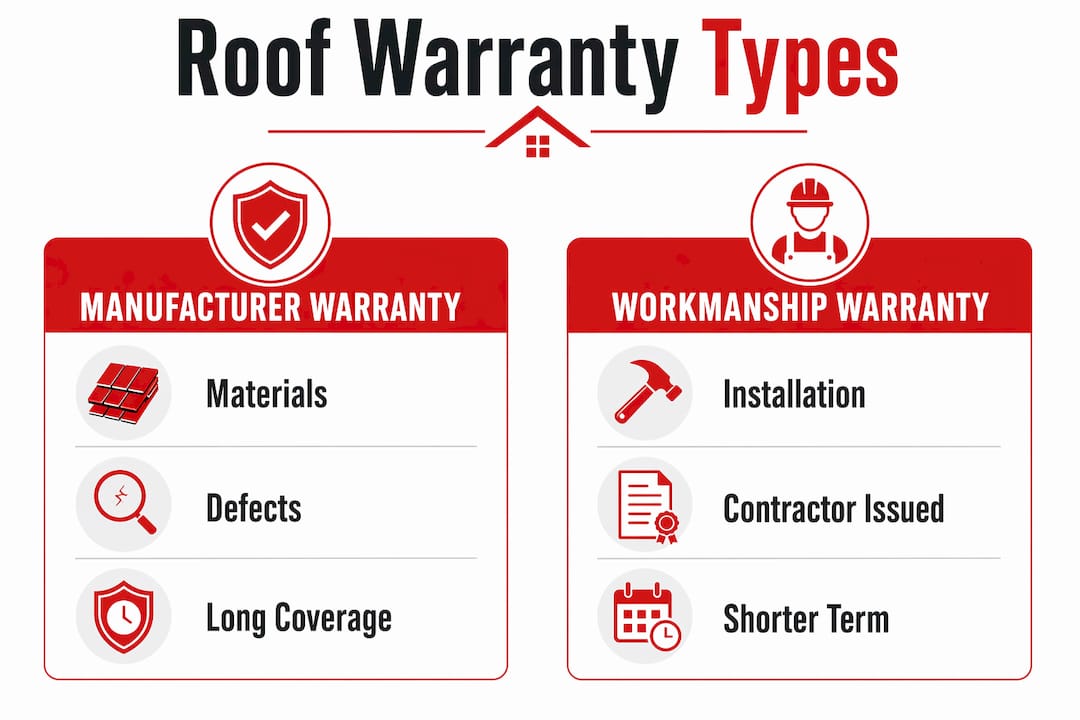
A residential roof warranty consists of two legally distinct parts that protect different aspects of your roofing system. The first is the manufacturer warranty, which covers defects in the roofing materials themselves, such as shingles that crack prematurely, granule loss beyond normal wear, or factory defects in underlayment. The second is the workmanship warranty, which covers errors made during installation.
Residential roofing warranties consist of two distinct parts: a manufacturer warranty and a workmanship warranty. That separation matters because a material defect claim goes to the manufacturer, while an installation error claim goes to the contractor. If you only hold one warranty, you risk being caught in the middle when both parties point fingers at each other.
Coverage durations vary widely. Manufacturer warranties commonly run 10–50 years for materials, while workmanship warranties range from 1–2 years for basic contractors up to 25 years for top certified installers. The length of your workmanship warranty depends almost entirely on who installs your roof, which is why contractor selection is one of the most consequential decisions you make.
What are the types of roof warranties and how do they differ?
Manufacturer warranty
The manufacturer warranty covers defects in roofing products: shingles, ridge caps, underlayment, and accessories. If a shingle fails due to a factory flaw within the warranty period, the manufacturer replaces the defective material. Most standard manufacturer warranties provide 10 years of non-prorated coverage, followed by prorated coverage for the remaining term.
Proration is the part most homeowners miss. After the non-prorated period ends, the manufacturer only reimburses a percentage of the original material cost, and that percentage shrinks each year. A “Limited Lifetime” warranty sounds impressive, but it can cover as little as 20% of replacement material cost by year 30. Labor costs for removal and reinstallation are almost always excluded.
Workmanship warranty
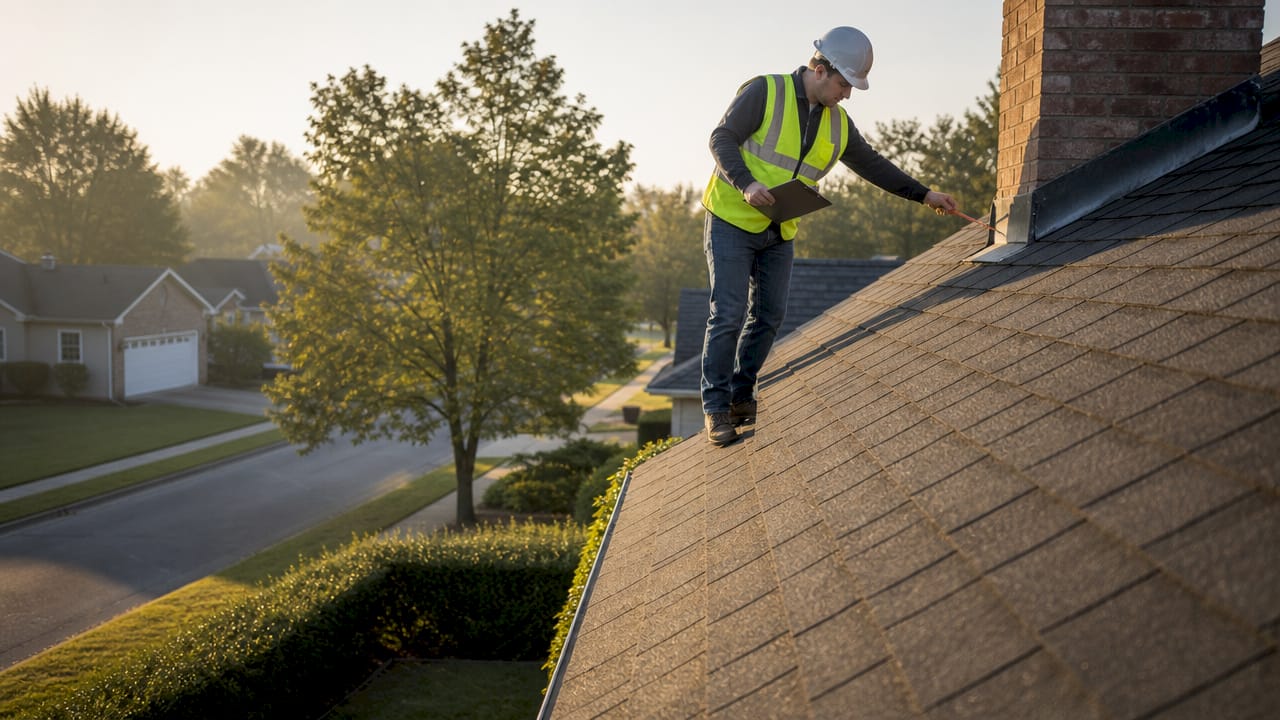
The workmanship warranty is issued by your roofing contractor, not the manufacturer. It covers installation errors such as poor nail patterns, flashing gaps, improper ventilation, and incorrect underlayment placement. Most premature roof failures result from installation errors, not material defects. That makes the workmanship warranty the most critical protection you hold.
Basic contractors may offer only a 1 or 2 year workmanship warranty. Certified installers who meet manufacturer training and quality standards can offer up to 25 years. The difference in coverage length reflects the difference in accountability.
Pro Tip: Ask every contractor for their workmanship warranty in writing before work begins. A verbal promise is not enforceable.
| Feature | Manufacturer warranty | Workmanship warranty |
|---|---|---|
| Issued by | Roofing material manufacturer | Roofing contractor |
| Covers | Material defects and product failures | Installation errors and labor mistakes |
| Typical duration | 10–50 years | 1–25 years |
| Proration | Often prorated after 10 years | Varies by contractor |
| Labor costs | Usually excluded | Usually included |
What are the common limitations and exclusions?
Warranties do not cover everything, and the exclusions are where most homeowners get surprised. Standard roof warranties exclude damage from weather events, storms, hail, and wind. Those events fall under your homeowner’s insurance policy, not your warranty.
The distinction between warranty and insurance is straightforward. Insurance covers sudden accidental damage from wind, hail, fire, or falling trees. Warranties cover manufacturing defects and workmanship errors. Neither covers neglect, normal wear, or long-term leaks without a qualifying peril. Treating them as interchangeable is one of the most common and costly mistakes homeowners make.
Common warranty exclusions include:
- Weather damage: Hail, wind, ice dams, and storm damage are insurance claims, not warranty claims.
- Maintenance neglect: Manufacturers frequently deny claims caused by failing to maintain the roof properly, regardless of warranty age. Debris buildup, clogged gutters, and skipped inspections all create grounds for denial.
- Unauthorized modifications: DIY modifications or unauthorized installations can void manufacturer warranties. Adding satellite dishes, solar panels, or ventilation changes without manufacturer approval are common examples.
- Improper installation: Warranty coverage can be lost if materials are not installed strictly according to manufacturer guidelines, even for minor deviations.
Pro Tip: Before adding anything to your roof, including solar panels or HVAC equipment, check your warranty terms or call your contractor. One unapproved modification can void the entire coverage.
Understanding these exclusions protects you from filing claims that will be denied. It also clarifies why choosing a reliable roofing contractor who follows manufacturer specifications matters so much from the start.
How do you activate and maintain your roof warranty?
Getting a warranty is not automatic. You must take specific steps to activate and protect it, and missing any one of them can leave you with no coverage at all.
- Register your warranty promptly. Registration windows typically run 30–60 days after installation. Missing that window means the warranty never activates, even if your contractor installed everything correctly. Ask your contractor for the registration link or form on the day the job is completed.
- Hire a manufacturer-certified contractor. Certified contractors meet training, quality, and insurance standards set by the manufacturer. They unlock longer workmanship warranties and access to enhanced system warranty programs. Certified contractors offering extended workmanship warranties provide homeowners with the strongest long-term protection available.
- Schedule regular inspections. Annual or biannual roof inspections create a documented maintenance record. That record is your best defense if a manufacturer questions whether the roof was properly maintained before a claim.
- Keep all documentation. Store your warranty certificates, contractor invoices, inspection reports, and any written communications in one place. Strong warranty programs encourage homeowners to maintain inspection records and stay in communication with contractors, which facilitates smoother warranty claims.
- Avoid unauthorized work. Any repair or modification done by an uncertified contractor or as a DIY project risks voiding your coverage. Always call your original contractor or a certified professional for any roof work.
Pro Tip: Photograph your roof immediately after installation and after every inspection. Timestamped photos create a visual maintenance record that supports any future claim.
How do coverage duration, proration, and enhanced warranties work?
Not all warranty terms are equal, and the difference between prorated and non-prorated coverage is significant.
Non-prorated coverage means the manufacturer replaces defective materials at full value during the covered period. Prorated coverage means the reimbursement amount decreases each year based on the age of the roof. A shingle that fails in year 25 under a prorated warranty may only be covered at a fraction of its original cost, and labor is almost never included.
Enhanced or system warranties combine material and workmanship coverage under one manufacturer-backed program. These programs offer 25–50 years of non-prorated coverage, far longer than basic warranties. The trade-off is strict requirements. Enhanced system warranties require the use of a full approved product line from the manufacturer, including underlayment, ridge caps, and flashing, and installation by certified contractors, increasing complexity but maximizing coverage.
Key differences between standard and enhanced warranties:
- Standard manufacturer warranty: Covers materials only, often prorated after 10 years, labor excluded.
- Standard workmanship warranty: Covers installation errors, duration depends on contractor certification level.
- Enhanced system warranty: Covers both materials and workmanship under one program, non-prorated for 25–50 years, requires full manufacturer product system and certified installation.
The enhanced system warranty is the gold standard for residential roofing coverage. It eliminates the liability dispute risk that exists when manufacturer and workmanship warranties are held separately. Homeowners who want the most complete protection should ask specifically about system warranty options before any installation begins.
Key Takeaways
A residential roof warranty provides meaningful protection only when homeowners understand both warranty types, register on time, and work with certified contractors who follow manufacturer specifications.
| Point | Details |
|---|---|
| Two warranties required | Manufacturer and workmanship warranties are legally separate; you need both for full coverage. |
| Workmanship is most critical | Most premature roof failures stem from installation errors, making contractor selection decisive. |
| Register within 30–60 days | Missing the registration window voids coverage, even with a perfect installation. |
| Proration reduces value over time | “Limited Lifetime” warranties can cover as little as 20% of material cost by year 30. |
| Enhanced warranties offer the most | System warranties provide 25–50 years of non-prorated coverage but require certified installers and full manufacturer product systems. |
What I’ve learned about roof warranties after years in Texas roofing
Most homeowners focus on the length of a warranty when they should focus on the quality of the installer. A 50-year manufacturer warranty means very little if the contractor who installed your roof made flashing errors on day one. The workmanship warranty is where real protection lives, and a contractor offering only a one-year workmanship warranty is telling you something important about their confidence in their own work.
The other thing I see constantly is homeowners who never registered their warranty. They assume the contractor handled it. Sometimes the contractor does. Often, they do not. That 30 to 60 day window closes fast, and once it closes, you have no recourse through the manufacturer at all.
Read your warranty documents before installation, not after. The exclusions section is where the real terms live. If a contractor cannot explain the exclusions clearly, that is a red flag. The best contractors I have worked with treat the warranty conversation as part of the sales process, not an afterthought. They walk you through registration, hand you a copy of the terms, and schedule your first inspection before they leave the job site.
Roof warranties are not passive protection. They require active management. Homeowners who treat them that way almost never have a claim denied.
— Results
Protect your Texas roof with Misterreroof’s certified installation
Texas weather puts roofs through some of the harshest conditions in the country, from Gulf Coast humidity to hail seasons that can strip granules in minutes. A warranty-backed roof replacement is not a luxury. It is the baseline for responsible property ownership.
Mister Reroof installs shingle, metal, flat, and TPO roofing systems across El Campo and Houston using manufacturer-certified processes that unlock the strongest available warranty coverage. Every installation follows manufacturer specifications to protect your warranty from day one. Read the Texas homeowner replacement guide to understand what a full roof replacement involves, what warranty options apply to your roof type, and how to get a free estimate from a team that stands behind its work.
FAQ
What is a residential roof warranty in simple terms?
A residential roof warranty is a written guarantee that covers defects in roofing materials and errors in installation for a set number of years. It typically consists of two separate warranties: one from the manufacturer and one from the contractor.
How long does a residential roof warranty last?
Manufacturer warranties commonly run 10–50 years, while workmanship warranties range from 1–25 years depending on the contractor’s certification level. Enhanced system warranties can provide 25–50 years of non-prorated coverage.
Does a roof warranty cover storm or hail damage?
No. Standard roof warranties exclude weather-related damage including hail, wind, and storms. Those events are covered by homeowner’s insurance, not the warranty.
What voids a residential roof warranty?
Missed registration, maintenance neglect, DIY repairs, and unauthorized modifications such as adding solar panels or satellite dishes without manufacturer approval can all void your warranty.
Do I need both a manufacturer and a workmanship warranty?
Yes. The two warranties are legally separate, and holding only one creates a gap. If both a material defect and an installation error contribute to a failure, manufacturers and contractors may dispute liability, leaving you without full coverage.
