TL;DR:
- Hail-resistant roofing materials rated UL 2218 Class 4 can absorb impact without cracking, preventing leaks in hail-prone areas. Proper installation and certification are essential for ensuring these materials provide the intended protection and insurance discounts. Different materials like asphalt shingles, metal, and synthetic options offer varied durability, costs, and suitability based on property needs and climate conditions.
Hail-resistant roofing materials are engineered systems rated to absorb or deflect hailstone impacts without developing the cracks and fractures that lead to leaks. The industry benchmark is the UL 2218 Class 4 rating, the highest tier in a standardized steel ball drop test that simulates hailstones up to 2 inches in diameter. If you own property in Texas or any other hail-prone state, choosing materials that meet this standard is the single most effective step you can take toward hail damage prevention. The right choice also unlocks insurance discounts of 10% to 35%, making durable roofing options a financial decision as much as a protective one.
What makes roofing materials hail resistant?
Hail resistance is not a single property. It is the result of how a material absorbs kinetic energy, flexes under impact, and recovers without cracking. The UL 2218 test drops steel balls of specific diameters onto roofing samples from a set height. Class 4 is the top rating, meaning the material survives two hits in the same spot from a 2-inch steel ball with no cracking or splitting.
The distinction between cosmetic and functional damage matters here. Dented metal roofs that stay watertight continue doing their job. A brittle material that develops hairline fractures after impact is a functional failure, even if it looks intact from the ground. That difference determines whether you file a claim or simply note a few dents after a storm.
Material behavior under impact breaks down by type:
- SBS-modified asphalt shingles use styrene-butadiene-styrene rubber blended into the asphalt layer, allowing the shingle to flex on impact rather than crack.
- Standing seam metal panels dent but do not fracture, maintaining a watertight seal even after golf-ball-size hail.
- Synthetic polymer composites are engineered to absorb and distribute impact energy across the panel surface.
- Stone-coated steel combines a steel core with a granule coating that resists both impact and UV degradation.
Installation quality is equally critical. A Class 4 shingle installed with incorrect fastener spacing or over a compromised deck loses much of its rated performance. The material rating and the installation must both be right.
Pro Tip: Ask your contractor for the product’s UL 2218 test certificate before signing any contract. A legitimate Class 4 product will have documentation you can verify.
1. Class 4 impact-resistant asphalt shingles
Class 4 asphalt shingles hold a dominant position in hail-prone markets, capturing 58% market share in Colorado in 2026. They use SBS-modified asphalt to flex on impact, which prevents the granule loss and cracking that standard shingles suffer. Most major manufacturers, including GAF, Owens Corning, and CertainTeed, offer Class 4 lines at a modest premium over standard shingles.
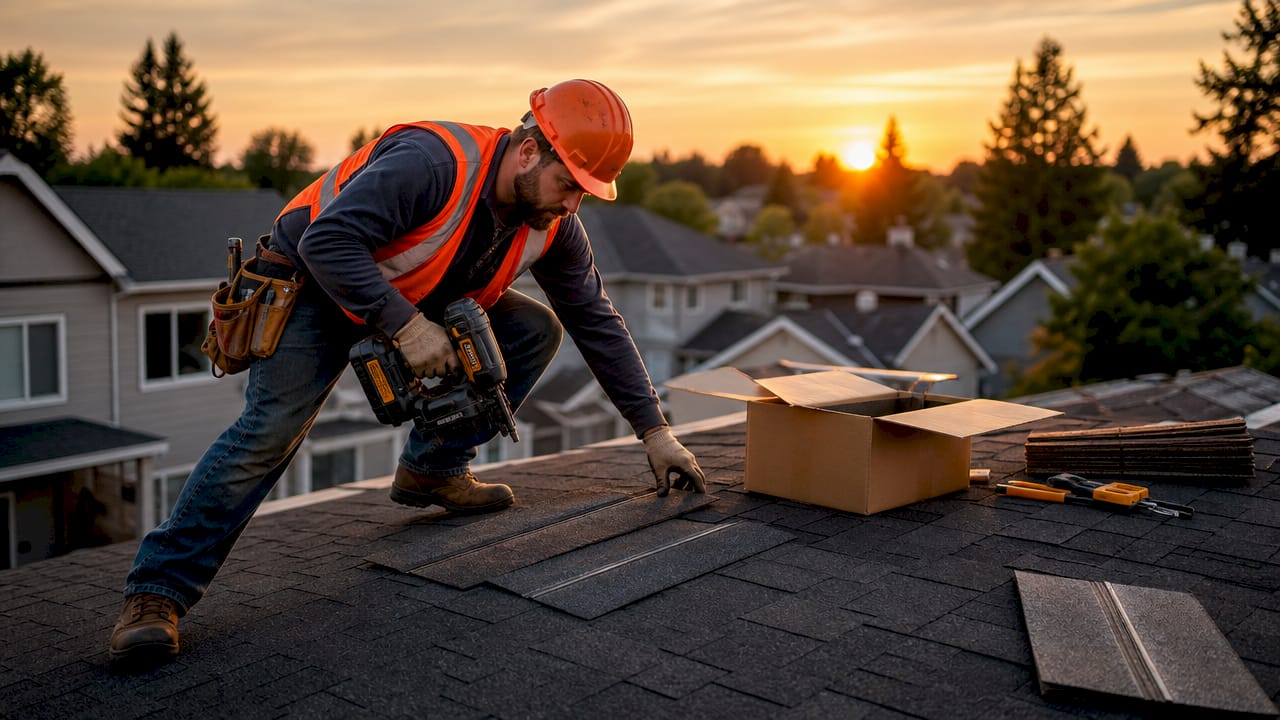
The cost advantage is real. Class 4 asphalt shingles typically run 10% to 20% more than standard architectural shingles, but the insurance savings of 15% to 35% in hail zones often offset that premium within the first few years. Expected lifespan runs 25 to 30 years with proper maintenance.
The main limitation is that asphalt remains a softer material. Large hailstones above 2 inches can still cause cosmetic damage, and the shingles do not perform as well as metal in extreme hail events. For most Texas homeowners, though, they represent the best balance of cost and protection.
2. Standing seam metal roofing
Standing seam metal roofing uses concealed fasteners and raised seams that run vertically up the roof slope. This design eliminates exposed fastener points, which are the most common entry points for water after hail damage. Panels made from 24-gauge steel offer significantly better dent resistance than thinner 26-gauge or 29-gauge options.
Metal roofs routinely achieve UL 2218 Class 4 ratings and carry lifespans of 40 to 70 years. After a severe hailstorm, a standing seam roof may show cosmetic dents, but it will almost never develop leaks. That functional integrity is what separates metal from every other category in extreme weather zones.
The upfront cost is higher, typically $10 to $16 per square foot installed, compared to $4 to $7 for asphalt. Over a 40-year horizon, however, the math often favors metal when you factor in avoided repairs and replacement cycles. Misterreroof’s metal roof replacement service in Texas is built specifically for homeowners making this long-term calculation.
3. Stone-coated steel shingles
Stone-coated steel shingles deliver the structural strength of a steel core with the visual appeal of traditional shingles or tiles. The granule coating adds a layer of UV protection that bare metal lacks, addressing one of the key failure modes for roofs in sun-intense climates. Stone-coated steel excels in both UV and hail resistance, making it a strong choice for Texas properties that face intense summer sun alongside spring hail seasons.
These products typically carry Class 4 impact ratings and Class A fire ratings. Weight runs heavier than standard asphalt but lighter than concrete tile, so most residential structures can support them without structural modification. Brands like DECRA and Gerard are well-established in this category.
The cost sits between standing seam metal and premium synthetic materials, generally $7 to $12 per square foot installed. Homeowners who want metal-grade protection without the industrial look of standing seam panels find stone-coated steel to be the most practical middle ground.
4. Synthetic slate and shake roofing
Synthetic slate and shake products use engineered polymers, often a blend of rubber and plastic, to replicate the appearance of natural slate or wood shake at a fraction of the weight. Synthetic slate and rubber composite shingles achieve the highest impact ratings available, with hailstones bouncing off without denting or fracturing the panel surface.
Natural slate is genuinely hail-resistant but weighs 800 to 1,500 pounds per square, requiring structural reinforcement in most homes. Synthetic versions weigh 50 to 150 pounds per square and install on standard roof decking. That weight difference makes synthetic slate accessible to a much wider range of properties.
Lifespan claims from manufacturers typically run 40 to 50 years, though real-world performance data on newer polymer formulations is still accumulating. Cost ranges from $9 to $15 per square foot installed. For historic homes or properties where aesthetics are a priority alongside storm protection, synthetic slate is the most defensible choice. You can explore composite roofing durability in hail-prone climates for a deeper look at polymer performance data.
5. Rubber composite roofing
Rubber composite shingles are manufactured from recycled materials, primarily reclaimed rubber and plastic, pressed into shingle profiles. The recycled rubber content gives these products natural impact absorption properties that synthetic polymer blends replicate through engineering. Most rubber composite products carry Class 4 ratings and are notably quiet during hailstorms compared to metal options.
The environmental story appeals to property managers with sustainability mandates. Recycled content percentages vary by manufacturer, but products from companies like EcoStar and Euroshield use significant post-consumer material. Lifespan estimates run 30 to 50 years, and the products are fully recyclable at end of life.
Cost is comparable to synthetic slate, generally $8 to $14 per square foot installed. The main practical consideration is color stability. Rubber composites can fade more noticeably than stone-coated steel over 20-plus years of UV exposure, so verify the manufacturer’s UV warranty before purchasing.
6. Modified bitumen and TPO roofing for flat surfaces
Flat and low-slope roofs require a completely different approach to hail protection. Modified bitumen and TPO membranes excel at hail impact absorption on these surfaces while also providing UV reflection benefits that reduce cooling loads. TPO in particular has become the dominant choice for commercial flat roofs in hail-prone regions.
Modified bitumen uses layers of asphalt reinforced with polyester or fiberglass mat, creating a membrane that flexes under impact without tearing. TPO (thermoplastic polyolefin) is a single-ply membrane that resists both impact and puncture. Both systems perform well against hail when installed at the correct thickness and with proper seam welding.
For property managers overseeing commercial buildings or homeowners with low-slope additions, these membranes are the correct specification. Attempting to use steep-slope materials on a flat roof creates drainage failures that no impact rating can compensate for.
Pro Tip: On flat roofs, specify a TPO membrane of at least 60 mils thickness for hail zones. Thinner 45-mil products are cheaper but show measurably higher puncture rates after large hail events.
How to choose the best roofing for your property
Choosing among these options requires matching material properties to your specific situation. Four factors drive the decision for most homeowners and property managers.
- Local hail frequency and stone size. Texas properties in the Houston corridor face frequent hail events, but stone sizes typically stay under 1.5 inches. Properties in the Texas Panhandle or central plains face less frequent but larger hail. Larger average stone sizes push the decision toward metal or synthetic materials.
- Budget and payback horizon. Asphalt Class 4 shingles deliver the fastest payback through insurance savings. Metal and synthetic materials require a longer horizon, typically 15 to 20 years, to justify the higher upfront cost through avoided repairs and replacement cycles.
- Roof slope and structural capacity. Steep-slope materials like shingles and standing seam panels require a minimum pitch. Flat or low-slope sections need membrane systems. Stone-coated steel and synthetic slate work across a wider range of pitches than most homeowners realize.
- Insurance documentation. UL 2218 Class 4 certification must be documented to qualify for premium discounts. Keep the product data sheet and installation receipt. Some insurers require a third-party inspection before applying the discount.
Wind resistance is a separate specification from impact resistance. ASTM D3161 governs wind performance, and the best roofing for hail should meet both standards. Verify both ratings when reviewing product specifications, especially in coastal Texas where wind and hail combine during storm events.
Pro Tip: Review your current homeowner’s insurance policy before selecting a material. Some policies specify which Class 4 products qualify for discounts. Matching your material choice to your insurer’s approved list maximizes your savings from day one.
You can also use Misterreroof’s Texas homeowner roofing guide to understand how local weather patterns should shape your material selection.
Comparing hail-resistant materials at a glance
| Material | Approx. cost per sq. ft. installed | Expected lifespan | Insurance discount potential | Best for |
|---|---|---|---|---|
| Class 4 asphalt shingles | $4 to $7 | 25 to 30 years | 15% to 35% | Budget-conscious homeowners |
| Standing seam metal | $10 to $16 | 40 to 70 years | 10% to 30% | Long-term investment properties |
| Stone-coated steel | $7 to $12 | 40 to 50 years | 10% to 30% | Aesthetic and durability balance |
| Synthetic slate/shake | $9 to $15 | 40 to 50 years | 10% to 25% | Historic or high-end homes |
| Rubber composite | $8 to $14 | 30 to 50 years | 10% to 25% | Sustainability-focused buyers |
| TPO/modified bitumen | $5 to $10 | 20 to 30 years | Varies by policy | Flat and low-slope roofs |
Metal roofing options, particularly standing seam panels, lead on lifespan and functional durability. Asphalt leads on upfront affordability and fastest insurance payback. The right answer depends on your property type and how long you plan to own it.
Key takeaways
The most effective hail-resistant roofing strategy combines a UL 2218 Class 4 rated material, correct installation to manufacturer specifications, and documented certification for insurance savings.
| Point | Details |
|---|---|
| UL 2218 Class 4 is the standard | Only materials passing this test reliably prevent functional hail damage at the 2-inch impact level. |
| Metal leads on long-term durability | Standing seam steel lasts 40 to 70 years and stays watertight even after cosmetic denting from large hail. |
| Insurance savings are real but require documentation | Discounts of 10% to 35% require the product’s Class 4 certificate and often a post-installation inspection. |
| Flat roofs need membrane systems | TPO and modified bitumen are the correct specifications for low-slope surfaces, not steep-slope shingles. |
| Total cost of ownership beats sticker price | Premium materials cost more upfront but reduce repair cycles and replacement frequency over 20 to 30 years. |
What 15 years of roof replacements taught me about hail protection
Most homeowners focus on the wrong number. They compare the cost per square foot of asphalt versus metal and stop there. The number that actually matters is the total cost of ownership across the life of the roof, and that calculation almost always favors spending more upfront.
I have seen properties where a standard asphalt roof was replaced three times in 20 years due to hail damage, each time triggering a claim, a deductible, and weeks of disruption. A standing seam metal roof installed on the same property type in the same region showed cosmetic dents after the same storms and required zero functional repairs. The math is not subtle.
The other thing most articles skip is the installation variable. A Class 4 shingle installed by a crew that skips the manufacturer’s fastener pattern requirements is not a Class 4 roof in practice. The rating lives in the product and the installation together. Verifying that your contractor follows the specific installation requirements for the product you purchased is as important as the material selection itself.
Inspecting your roof after hail is also a skill worth developing. Knowing the difference between cosmetic surface marks and functional damage tells you whether you need a contractor or just a note in your maintenance log. That knowledge saves unnecessary claims and keeps your insurance history clean.
— Misterreroof
Get a hail-resistant roof installed by Texas professionals
Choosing the right material is only half the job. Professional installation by a contractor who knows Texas weather conditions and manufacturer requirements is what turns a product rating into real protection.
Mister reroof serves homeowners and property managers in El Campo, Houston, and surrounding Texas communities. The team evaluates your roof’s current condition, recommends the right UL 2218 Class 4 rated system for your property type and budget, and installs it to manufacturer specifications. Misterreroof also helps you compile the documentation your insurer needs to apply premium discounts. Whether you need impact-resistant shingle roofing or a full metal roof replacement built to handle Texas hail seasons, Misterreroof delivers the workmanship and warranty support to back it up. Contact Misterreroof today for a free estimate.
FAQ
What is a UL 2218 Class 4 rating?
UL 2218 Class 4 is the highest impact resistance rating in the roofing industry, awarded to materials that survive two steel ball impacts in the same spot simulating a 2-inch hailstone without cracking or splitting.
Which roofing material handles hail the best?
Standing seam metal roofing and synthetic slate composites offer the highest functional hail resistance, staying watertight after large hail events even when cosmetic denting occurs.
How much can I save on insurance with a Class 4 roof?
Insurance discounts for UL 2218 Class 4 rated roofs range from 10% to 35%, depending on your insurer, state, and whether you provide the required product certification documentation.
Does installation quality affect hail resistance?
Yes. A Class 4 rated product installed with incorrect fastener spacing or over a damaged deck loses its rated performance. Always verify that your contractor follows the manufacturer’s specific installation requirements.
Are flat roofs protected differently from pitched roofs?
Flat and low-slope roofs require TPO or modified bitumen membrane systems rather than shingles or metal panels. These membranes absorb hail impact effectively and provide UV reflection benefits that steep-slope materials do not offer on flat surfaces.
