
TL;DR:
- A low-pitch residential roof has a slope less than 4:12 and requires specific materials for proper drainage. It needs active maintenance to prevent ponding water, which accelerates membrane failure and leaks. Proper flashing at transition zones and understanding roof pitch are essential for long-term durability.
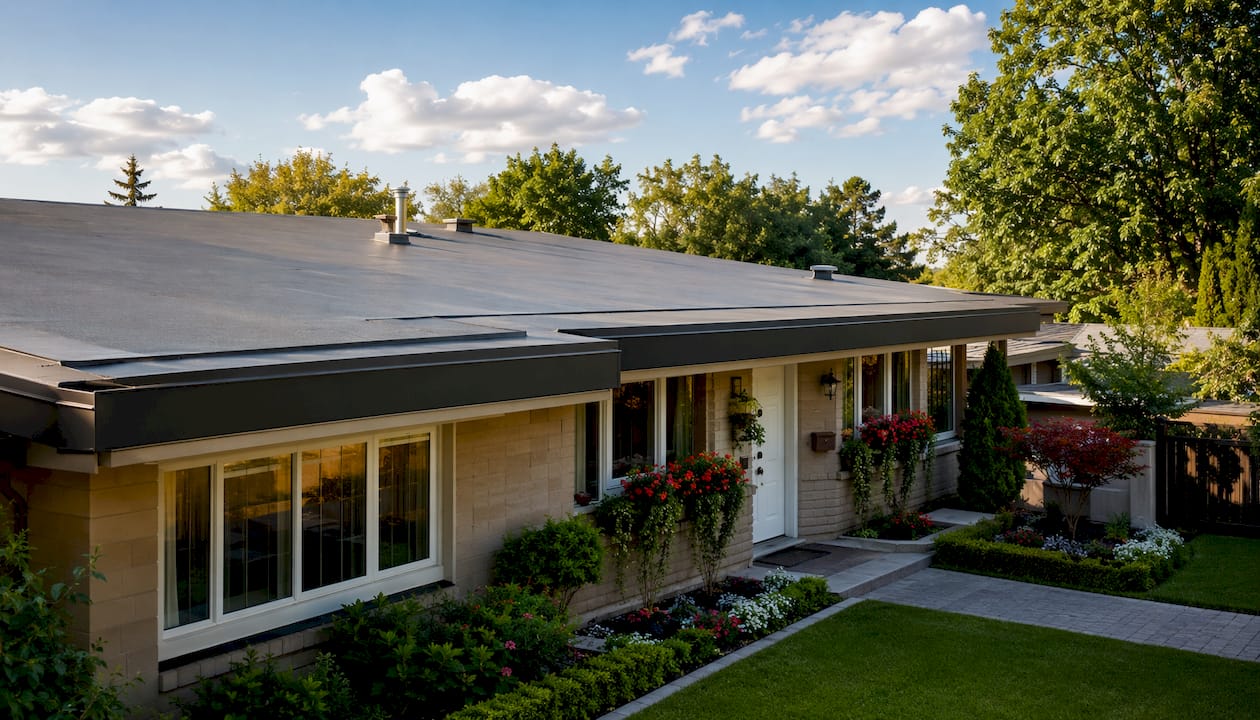
A low-pitch residential roof is defined as any roof with a slope less than 4:12, meaning it rises fewer than 4 inches for every 12 inches of horizontal run. The industry term is “low-slope roof,” and both the International Residential Code (IRC) and the National Roofing Contractors Association (NRCA) use this classification. Within that category, very low slope falls below 2:12, while transitional low slope covers the 2:12 to 4:12 range. Each category carries different material requirements, drainage demands, and maintenance needs that every homeowner and property manager should understand before making any roofing decision.
What is a low-pitch residential roof and how is pitch measured?
Roof pitch is expressed as a ratio of rise to run, measured in inches per foot. A 3:12 pitch rises 3 inches for every 12 inches of horizontal distance. A 1:12 pitch rises just 1 inch over that same span.

Pitch measurement matters because it directly controls which materials your roof can legally use. The IRC sets 1/4:12 as the minimum functional slope for any membrane roofing system. That means a true flat roof with zero slope is not permitted by code. Every low-slope roof must have at least a slight angle to move water toward drains or gutters.
Material-specific minimums add another layer of complexity:
- Membrane systems (TPO, EPDM, PVC, modified bitumen): Permitted at slopes as low as 1/4:12
- Asphalt shingles: Require a minimum slope of 2:12, and only with a double underlayment layer
- Standard three-tab shingles: Perform best above 4:12 and are not designed for low-slope aesthetics
- Metal panels: Minimum slope varies by panel profile, but standing-seam systems can work at 1:12 or above
Proper pitch also determines how fast water leaves the roof surface. Slower drainage means more exposure time for every seam, flashing joint, and membrane edge. That exposure is the root cause of most low-slope roof failures.
Pro Tip: Measure your roof pitch before calling a contractor. A simple pitch gauge or a smartphone app gives you a reliable reading in under two minutes. Knowing your pitch lets you ask better questions and avoid being oversold on materials your roof does not need.
What roofing materials work best on low-slope roofs?
The right material for a low-slope roof depends on pitch, climate, and how much maintenance you can realistically commit to. Membrane roofing options dominate this category because they create a continuous waterproof layer rather than relying on overlapping pieces to shed water.
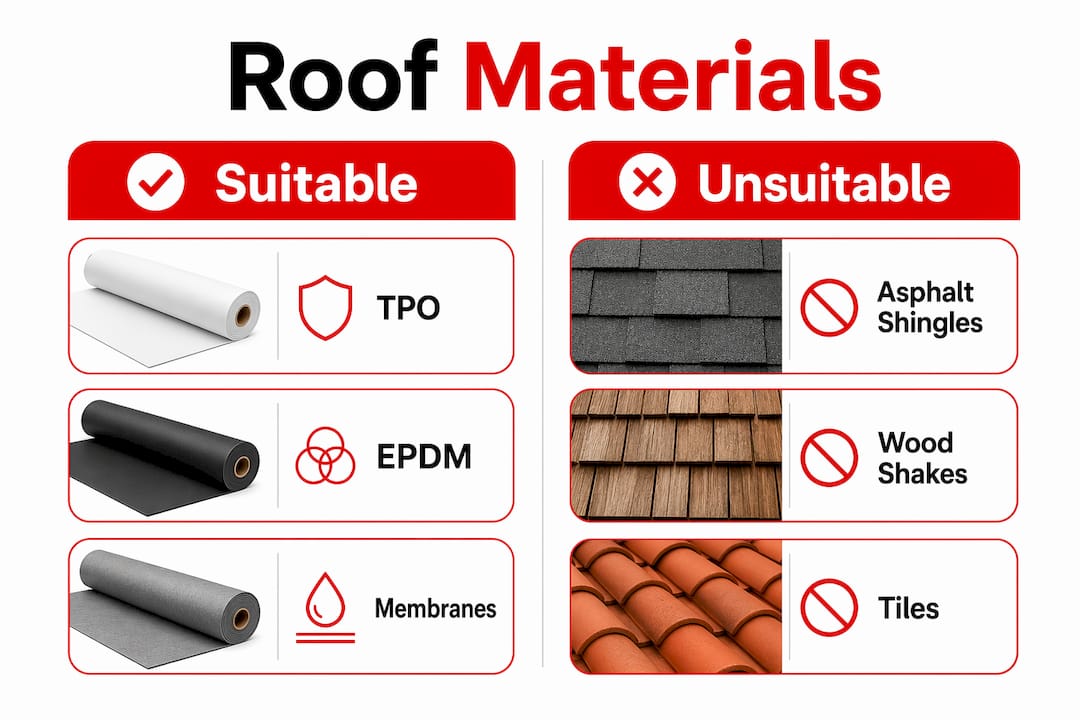
TPO membranes offer heat-reflective properties with weldable seams that create a watertight bond. EPDM rubber membranes provide flexibility across extreme temperature swings and carry a proven track record of over 50 years of longevity. PVC membranes resist chemicals and punctures well, making them a strong choice for roofs near kitchen exhaust vents. Modified bitumen is an asphalt-based sheet system that installs in layers and handles foot traffic better than most single-ply options.
Typical membrane roofing costs range from $4.00 to $10.00 per square foot, depending on the material and installation method. That range reflects real differences in seam quality, longevity, and labor complexity.
| Material | Minimum pitch | Approximate cost per sq. ft. | Typical lifespan |
|---|---|---|---|
| TPO | 1/4:12 | $5.00–$8.00 | 15–30 years |
| EPDM | 1/4:12 | $4.00–$8.00 | 25–50+ years |
| PVC | 1/4:12 | $6.00–$10.00 | 20–30 years |
| Modified bitumen | 1/4:12 | $4.00–$8.00 | 15–25 years |
| Asphalt shingles | 2:12 (with double underlayment) | $3.00–$6.00 | 20–30 years |
Asphalt shingles are permitted down to 2:12 only when installed with a double underlayment layer. Below that threshold, shingles fail to shed water fast enough and leaks become a near certainty. For Texas homeowners weighing roofing materials for durability and savings, TPO is the most popular low-slope choice because it reflects solar heat and holds up well in high-humidity conditions.
Pro Tip: Do not select a membrane based on price alone. Seam quality, flashing details, and climate fit matter just as much as the material itself. A cheaper membrane with poor seam welds will fail faster than a mid-range product installed correctly.
How do you maintain a low-pitch residential roof?
Low-slope roofs require more active maintenance than steep-pitch roofs because gravity does less of the work. Water moves slowly, debris accumulates, and small problems compound quickly.
The IBC defines ponding water as any standing water that remains 48 hours after precipitation ends. Ponding water is the leading cause of membrane deterioration on low-slope roofs. It adds structural load, softens adhesives, and accelerates seam stress at every low point.
Recommended maintenance tasks include:
- Biannual inspections: Check in spring and fall for seam separation, membrane blistering, and flashing gaps
- Debris removal: Clear leaves, branches, and sediment from drains and gutters after every major storm
- Drain checks: Confirm all roof drains and scuppers flow freely before the rainy season
- Seam and flashing review: Look for lifted edges, cracks, or gaps where water can enter
- Ponding water assessment: Walk the roof 48 hours after a heavy rain and mark any areas where water still sits
Low-pitch roofs require proactive debris removal because gravity sheds far less material than on a steep roof. A clogged drain on a low-slope roof can turn a minor rainstorm into a ponding event within hours. Ignoring a leaky roof, even briefly, compounds damage faster than most homeowners expect.
Pro Tip: After any storm that drops more than an inch of rain, do a quick visual check from the ground or a ladder. You do not need to walk the roof every time. Look for water stains on interior ceilings and check that gutters are draining. Catching a blocked drain early costs almost nothing to fix.
How do low-pitch roofs differ from steep-pitch and flat roofs?
A low-pitch roof is not a flat roof. That distinction matters for both code compliance and material selection. All low-slope roofs must have at least a 1/4:12 slope to drain water. A true flat surface with zero slope violates the IRC and creates guaranteed ponding.
Compared to steep-pitch roofs (above 4:12), low-slope roofs look visually different and perform differently in several key ways:
- Drainage speed: Steep roofs shed water in seconds. Low-slope roofs take minutes to hours, increasing exposure time for every seam.
- Material options: Steep roofs can use asphalt shingles, wood shakes, slate, and tile. Low-slope roofs rely primarily on membrane systems.
- Installation complexity: Low-slope roofs require more precise flashing work and tighter seam control because water does not run off quickly.
- Aesthetic profile: Low-slope roofs create a modern, horizontal look. They suit contemporary home designs, porches, garages, and additions.
Low-slope roofs are common on modern residential designs including porches, garages, and flat-roofed extensions. They are not exclusive to commercial buildings, a misconception that leads many homeowners to assume they need a steep roof to have a “real” residential roof.
Transition zones between low-slope and steep-slope sections of the same roof deserve special attention. Specialized sheet-metal flashing is required at every point where a low-slope membrane meets a steep-slope shingle field. Without it, water backs up under the shingles and enters the structure. This is one of the most common failure points on homes with mixed-pitch rooflines, such as a main steep-pitch roof with a low-slope porch or dormer addition.
For homeowners exploring flat roof coverings as an option, understanding the difference between a true flat roof and a low-slope roof helps set realistic expectations for drainage performance and material longevity.
Key Takeaways
A low-pitch residential roof requires pitch-specific materials, active drainage management, and precise flashing to perform reliably over its full lifespan.
| Point | Details |
|---|---|
| Pitch defines material options | Roofs below 2:12 require membrane systems; asphalt shingles need at least a 2:12 slope with double underlayment. |
| Code sets the floor | IRC and IBC require a minimum 1/4:12 slope for all roofing systems. True flat roofs are not code-compliant. |
| Ponding water is the main threat | Water standing more than 48 hours after rain accelerates membrane deterioration and seam failure. |
| Biannual inspections are non-negotiable | Check seams, flashing, and drains every spring and fall to catch problems before they become expensive repairs. |
| Transition zones need special flashing | Where low-slope meets steep-slope, sheet-metal flashing prevents the most common leak point on mixed-pitch roofs. |
What I have learned from working with low-pitch roofs in Texas
The biggest misconception I see from homeowners is that a low-pitch roof is just a cheaper or simpler version of a steep-pitch roof. It is not. It is a different system entirely, with its own engineering logic, material requirements, and failure modes.
The second most common mistake is choosing a material based on upfront cost without thinking about maintenance access. A membrane that costs $2.00 less per square foot but requires a professional to patch every small puncture will cost more over ten years than a slightly pricier option a homeowner can maintain themselves.
Climate matters more on low-slope roofs than on steep ones. In Texas, TPO is the right call for most low-slope applications because it reflects heat and handles the expansion and contraction that comes with wide temperature swings. EPDM is excellent in colder climates but can soften and degrade faster under sustained Texas summer heat.
The detail I see skipped most often is flashing at transition zones. A contractor who installs a beautiful membrane field but cuts corners on the sheet-metal work where the low-slope section meets the main steep-pitch roof has created a guaranteed leak. Insist on seeing the flashing plan before any work begins.
— Misterreroof
Low-pitch roof replacement services from Misterreroof
Choosing the right system for a low-slope roof is not a decision to make from a product brochure alone. It requires knowing your pitch, your climate, and your long-term maintenance capacity.

Mister Reroof specializes in roof replacement for Texas homeowners, including TPO, flat roof, shingle, and metal installations across El Campo, Houston, and surrounding areas. Every project includes a full assessment of pitch, drainage, and flashing requirements before a single material is ordered. If you are managing a low-slope roof on a home, porch, or garage addition, Misterreroof can walk you through the right options and provide a free estimate. Contact Misterreroof today to schedule your consultation.
FAQ
What is the minimum slope for a residential roof?
The IRC requires a minimum slope of 1/4:12 for membrane roofing systems. Zero-slope or true flat roofs are not permitted under residential building codes.
Can asphalt shingles be used on a low-pitch roof?
Asphalt shingles are permitted down to a 2:12 pitch, but only with a double underlayment layer. Below 2:12, membrane systems like TPO or EPDM are required.
How often should a low-slope roof be inspected?
Biannual inspections, once in spring and once in fall, are the standard recommendation. After any major storm, a quick visual check for ponding water and blocked drains is also advisable.
What is ponding water and why does it matter?
The IBC defines ponding water as standing water that remains 48 hours after precipitation ends. Ponding accelerates membrane deterioration, adds structural load, and is the leading cause of premature low-slope roof failure.
Is a low-pitch roof the same as a flat roof?
No. A low-pitch roof has a measurable slope between 1/4:12 and 4:12. A true flat roof has zero slope, which violates the IRC. All functional low-slope roofs must drain water, even if the pitch is barely visible from the ground.
